











The holiday season that many people now call Christmas or Yule is really a tapestry woven from many different cultures, legends, and traditions. What feels like a single, familiar celebration is actually the result of centuries of stories, rituals, and reinventions. From ancient bonfires to modern movie marathons, every song, symbol, and snack has a tale to tell.
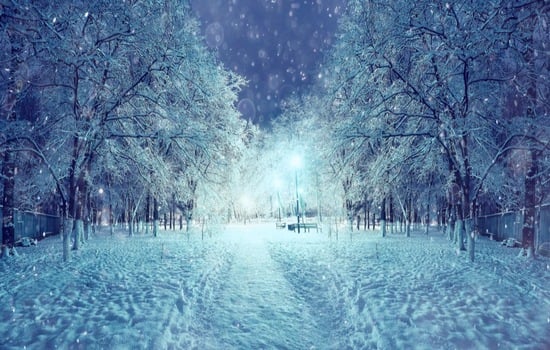
Long before electric lights and shopping malls, people in northern climates faced long, dark winters with a mixture of fear and hope. The winter solstice, the shortest day of the year, was a turning point. Ancient Europeans marked it with festivals that celebrated the return of the sun. The word Yule itself is linked to old midwinter celebrations in northern Europe, where people lit fires, feasted, and shared stories to push back the darkness. Evergreens, which stayed green when other plants died back, became powerful symbols of life that endures through the cold.
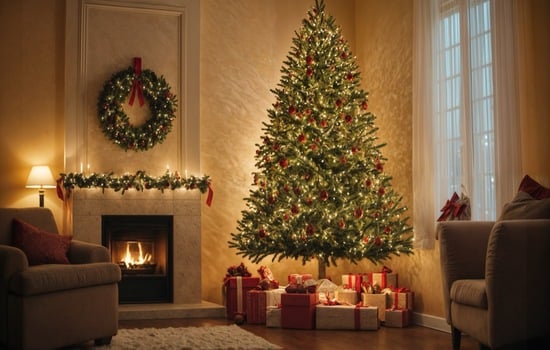
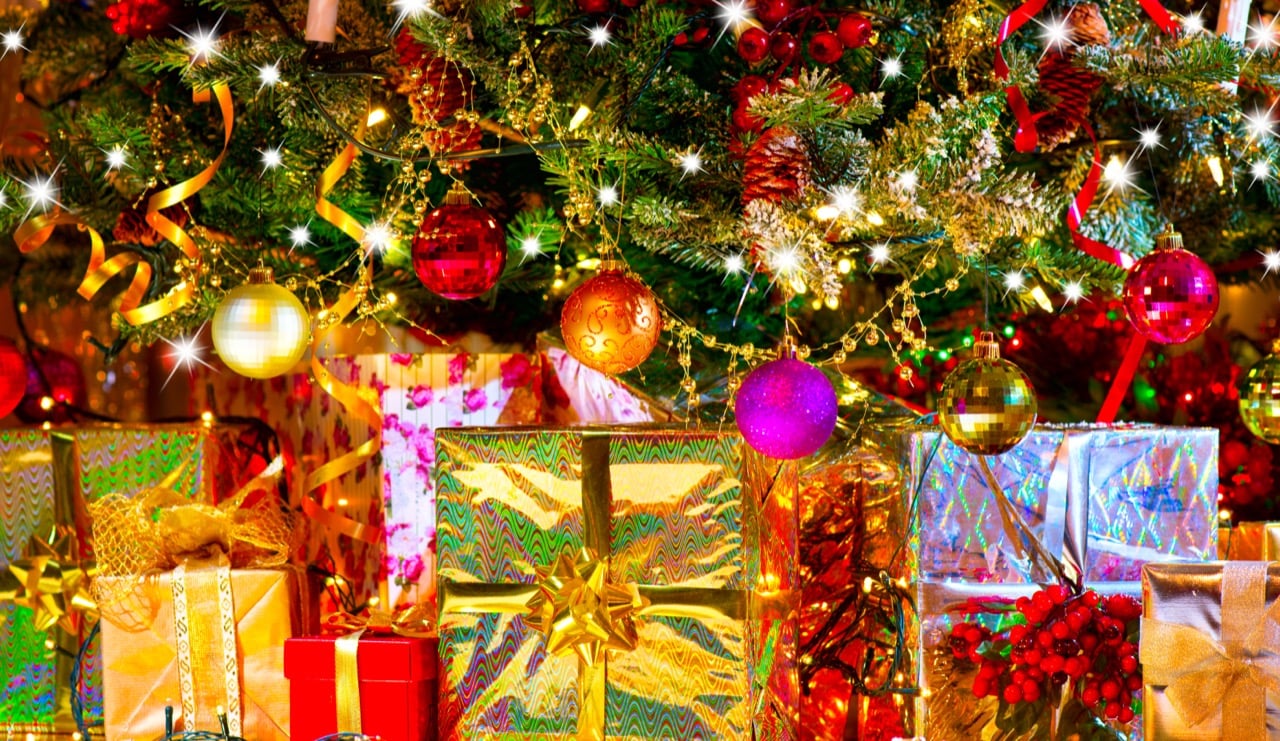
Over time, Christian celebrations of the birth of Jesus blended with these older customs. The date of Christmas, the use of evergreens, and the emphasis on light all echo earlier solstice practices. The Christmas tree, for example, likely grew out of traditions of bringing greenery indoors as a sign of hope. By the 19th century, decorated trees with candles, fruits, and later glass ornaments had become a central feature in many homes.
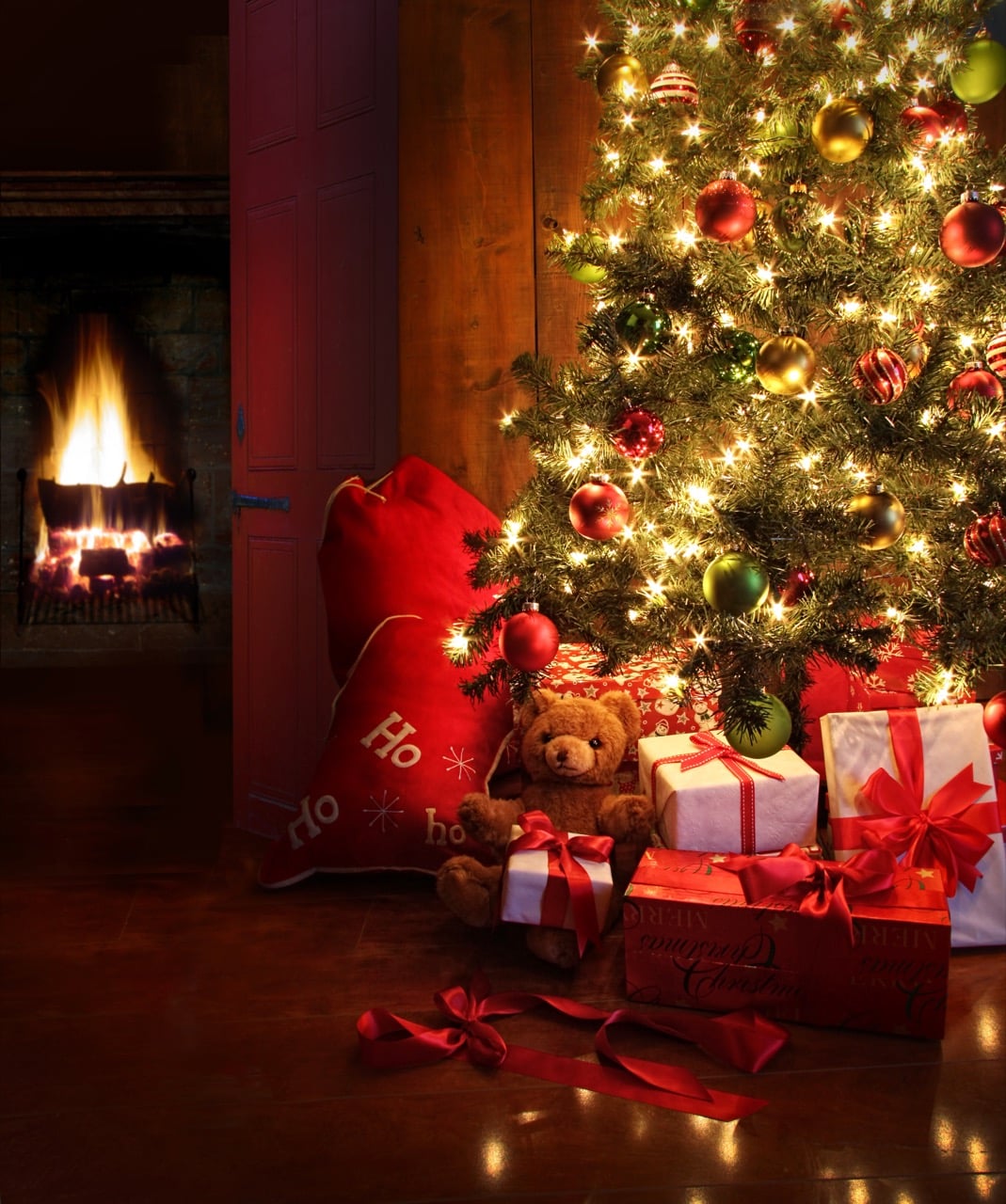
The figure of the gift giver is another mix of myth and history. In some European countries, Saint Nicholas, a generous bishop known for helping the poor, inspired stories of secret gift giving. In other regions, figures like Father Christmas, the Christkind, or the Three Kings take the lead. The modern image of Santa Claus, with his red suit, sleigh, and reindeer, developed gradually through poems, illustrations, and advertising, especially in the United States. While he feels timeless, the Santa we picture today is only about a century or two old.
Music is just as layered with meaning. Many classic carols began as religious hymns, while others are simple winter songs about snow, bells, and sleigh rides. Some of the most beloved tunes, now played endlessly in stores and on the radio, were written in the 20th century and tied to films or recordings rather than church services. Listening closely, you can hear how the mood shifts from solemn reflection to playful cheer.
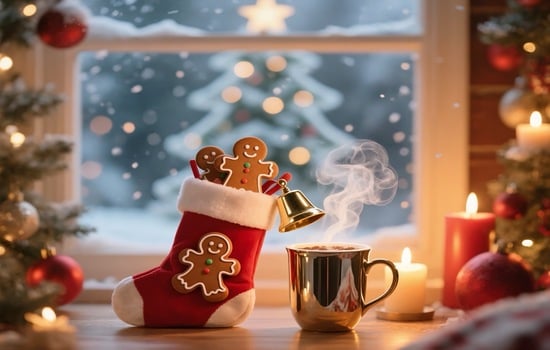
Even the treats on holiday tables carry stories. Spiced cookies, rich puddings, and special breads often began as rare luxuries, made with ingredients that were hard to find. Sharing them marked the season as a time of generosity and abundance. Hot drinks, from mulled wine to cocoa, were practical comforts in cold weather that became cherished traditions.
Modern celebrations add yet another layer. Holiday movies, light displays, and familiar catchphrases from seasonal comedies have become part of shared culture. Quoting a favorite film or singing along with a familiar song can feel as traditional today as hanging a wreath once did.
When you explore Yule legends, lights, and lore, you discover that the season is not just about decorations or gifts. It is about how people, across time and around the world, have used stories, songs, and symbols to bring warmth, meaning, and connection to the darkest days of the year.