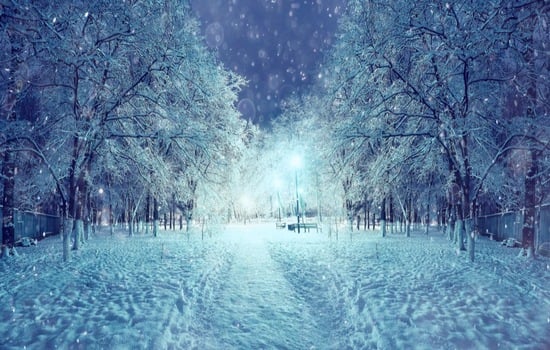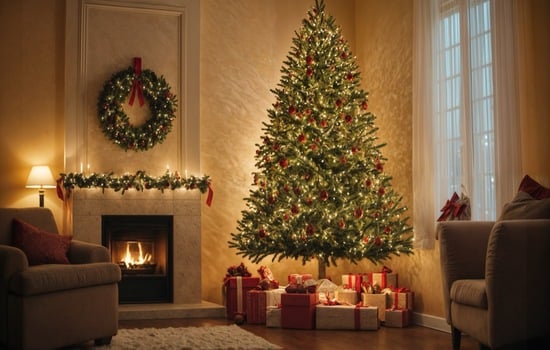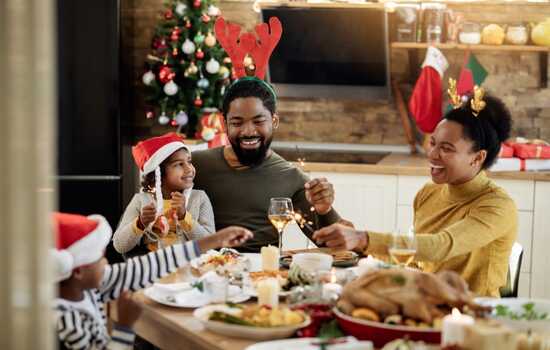





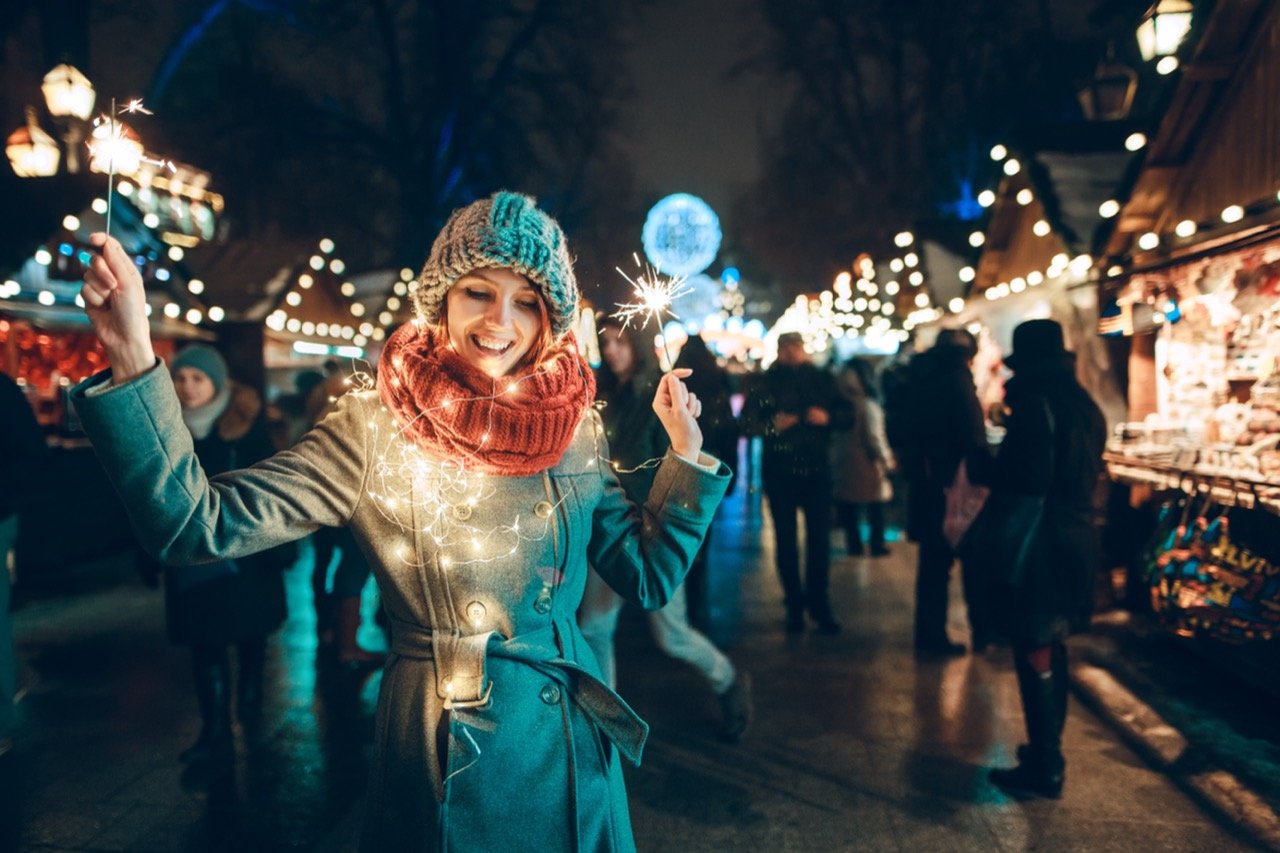

Every year, as temperatures drop and nights grow longer, people around the world turn to light, music, and stories to brighten the season. The holidays we know today are a colorful blend of ancient customs, religious observances, and modern pop culture, all wrapped together like a carefully tied bow.
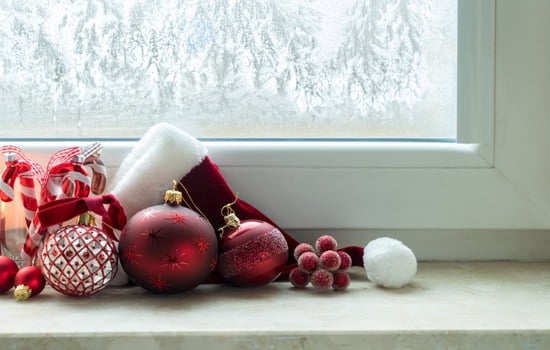
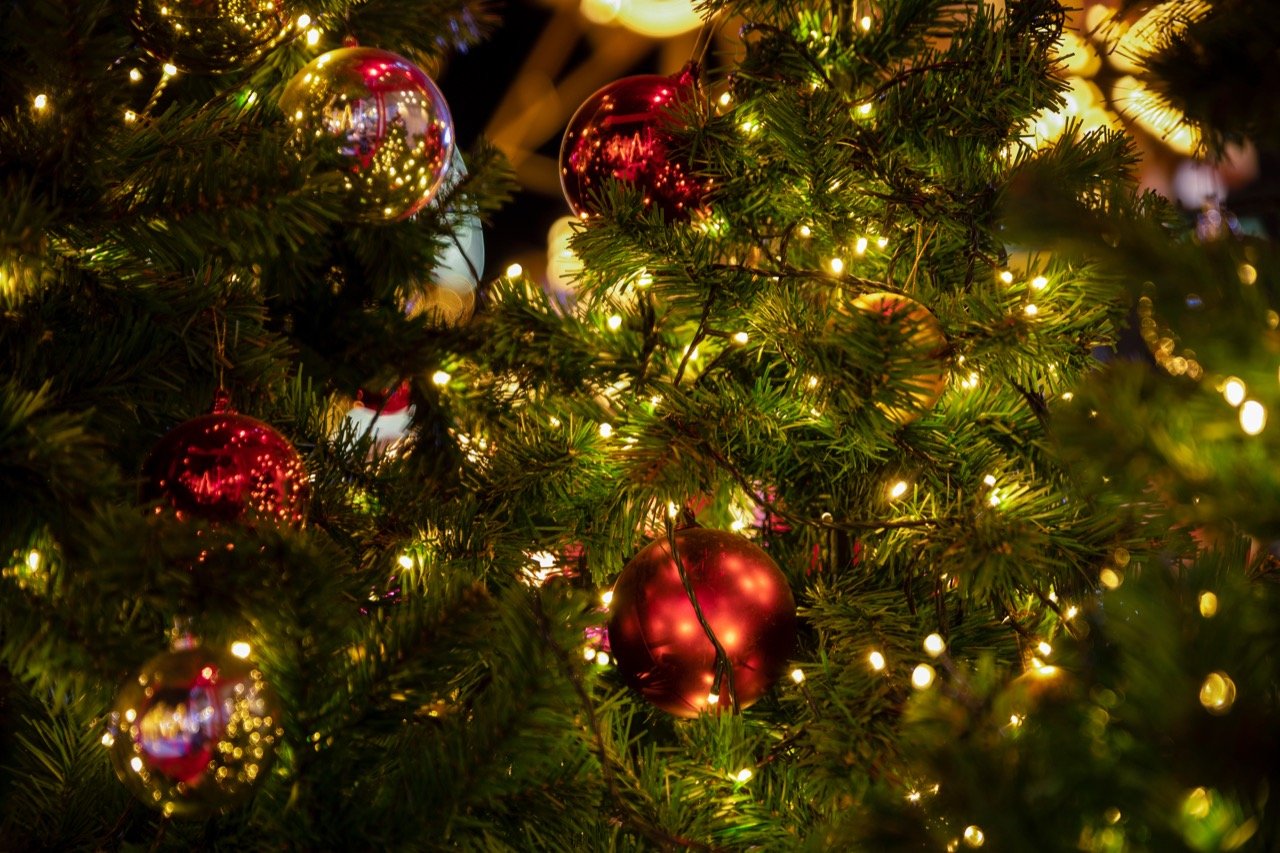
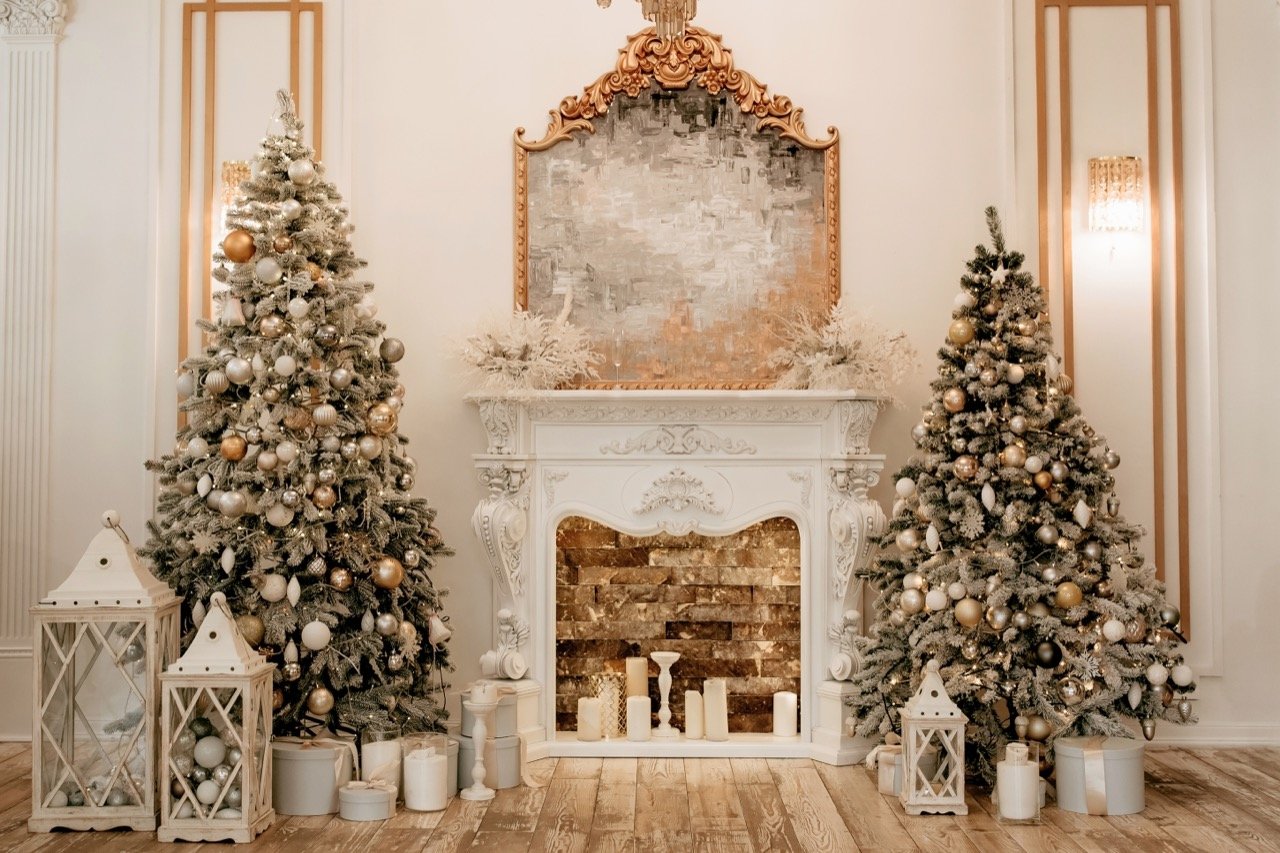
Many winter traditions began long before modern holidays took shape. Ancient Europeans marked the winter solstice, the shortest day of the year, with feasts and fires. These celebrations welcomed the return of longer days and honored the promise of spring. Evergreens, which stayed green even in the cold, symbolized life and resilience. Bringing branches or trees indoors became a way to decorate homes and invite hope into the darkest part of the year.
Over time, different cultures layered their own meanings onto these seasonal customs. In some places, gift giving became a key part of winter celebrations. The idea of a generous figure visiting homes with presents appears in many traditions. Saint Nicholas, a kind bishop known for his charity, inspired legends across Europe. In the Netherlands, children leave out shoes for Sinterklaas, who fills them with small gifts and sweets. In other countries, figures like Father Christmas, the Christkind, or the Three Kings play similar roles.
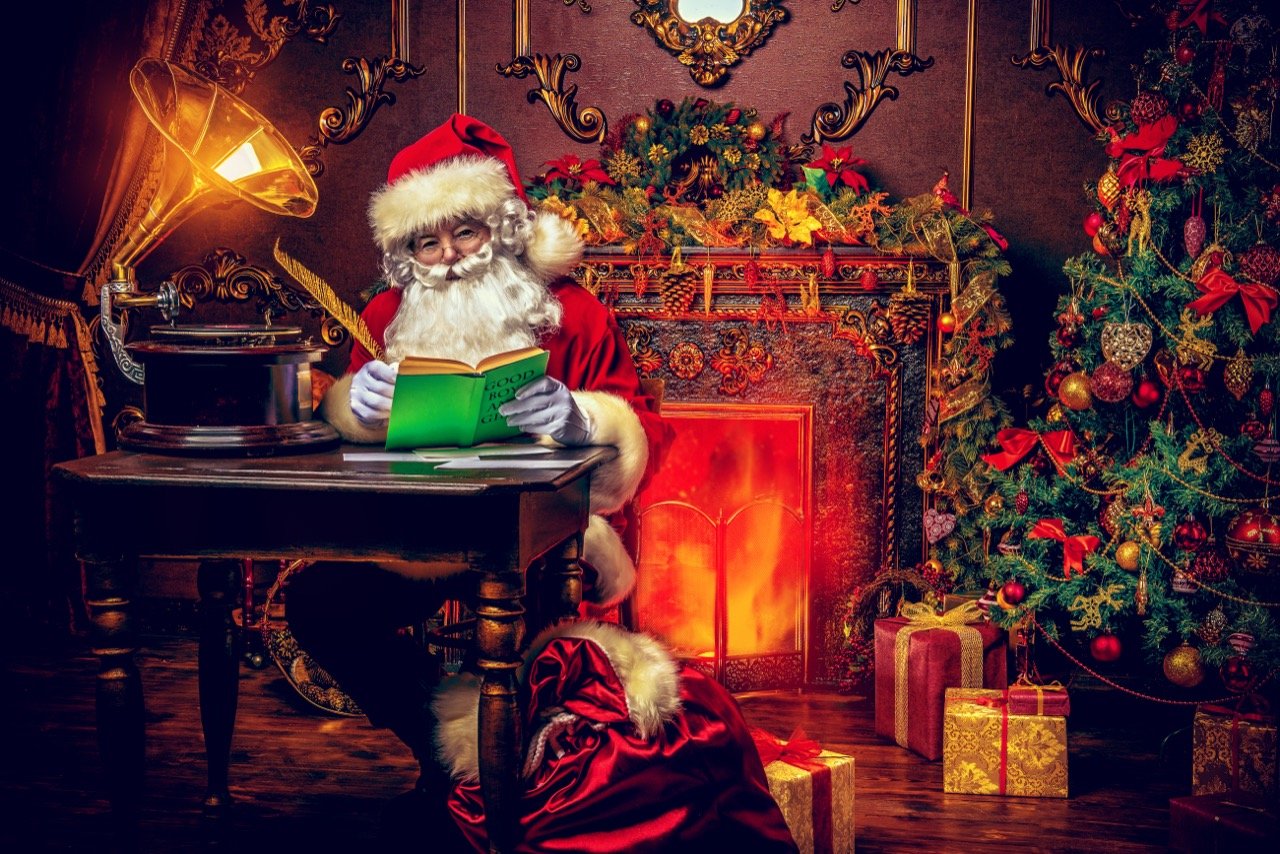
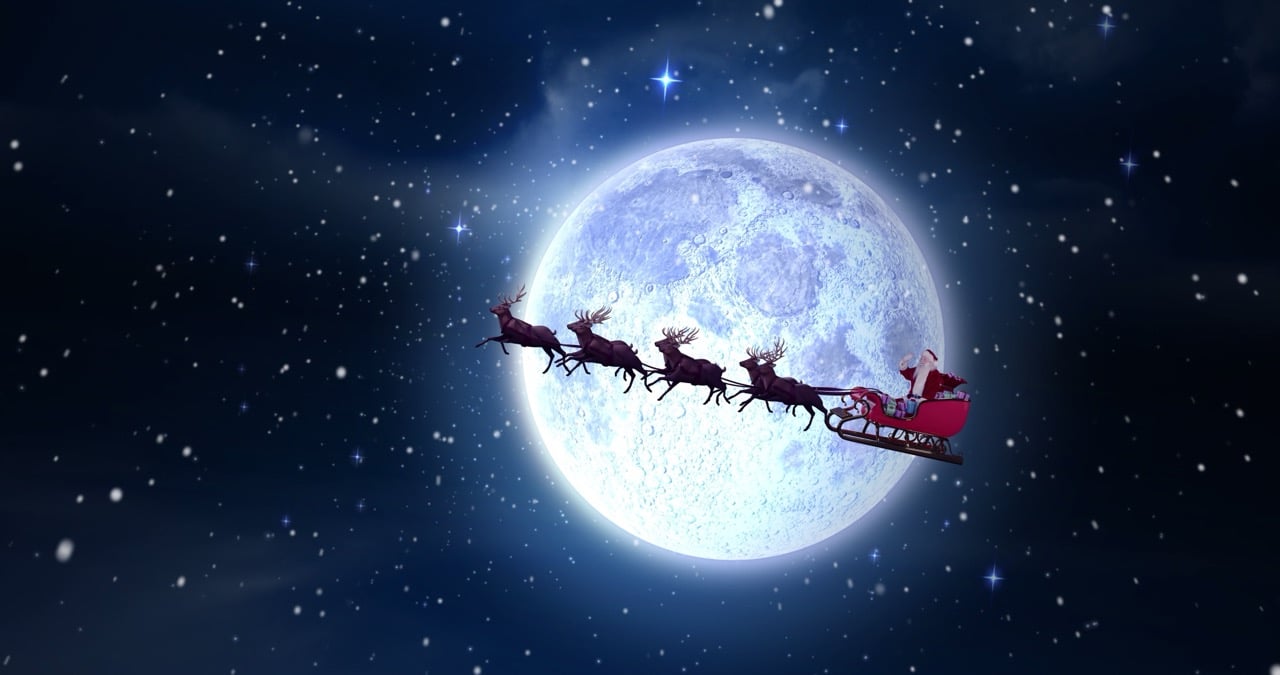
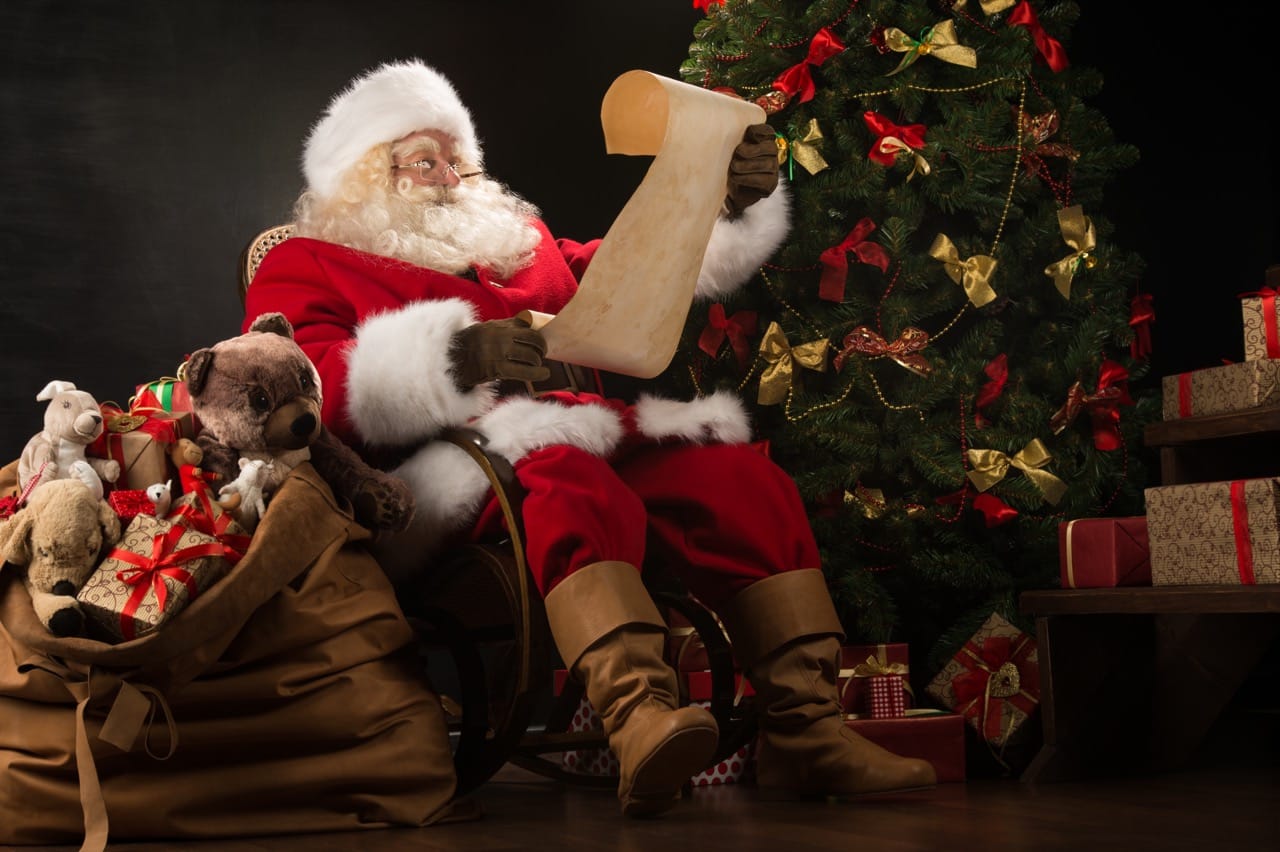
Then there are the reindeer who fly across the sky and the jolly man in a red suit who squeezes down chimneys. These images come from a mix of old folklore and newer storytelling. Poems and advertising in the 19th and 20th centuries helped shape the modern image of Santa Claus, complete with his sleigh, reindeer, and workshop at the North Pole.
Music is another thread that ties together winter celebrations. Carols that began as religious songs have blended with secular tunes about snow, sleigh rides, and cozy evenings by the fire. Hearing familiar melodies on the radio can instantly transport people back to childhood memories of decorating trees, baking cookies, or watching snow fall outside the window.
Movies and books have also become part of the seasonal tradition. Classic films about unlikely miracles, grumpy characters who learn to love the holidays, and families reuniting against the odds now feel as essential as ornaments and stockings. These stories often share similar themes: generosity, forgiveness, and the importance of being together.
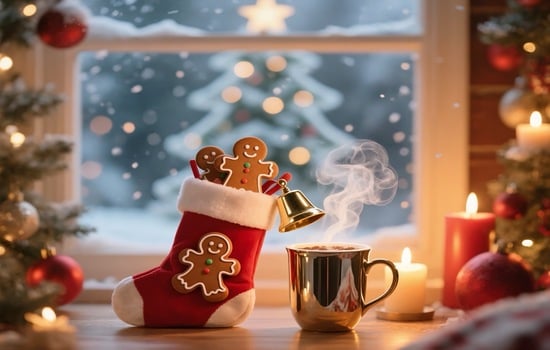
Food might be the most delicious part of winter celebrations. Spices like cinnamon, nutmeg, and cloves warm up kitchens around the world. Gingerbread houses, sugar cookies, fruitcakes, and special breads appear on tables year after year. Many families have recipes passed down through generations, turning each holiday into a living connection with the past.
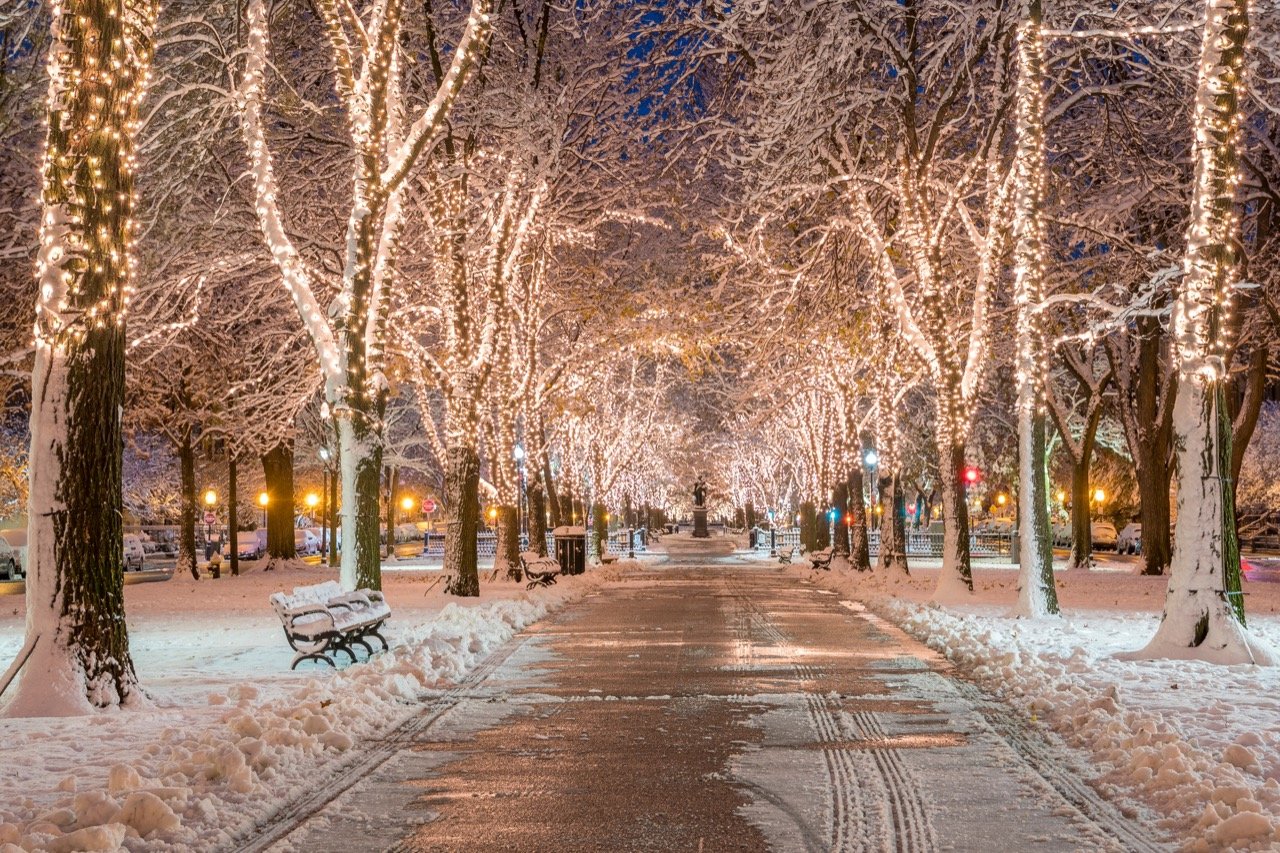
What makes this season so fascinating is how many different traditions coexist. Some people attend religious services, while others focus on family gatherings, cultural customs, or simply enjoying time off with loved ones. From lantern festivals in Asia to markets in Europe and parades in the Americas, every region adds its own sparkle.
Behind the tinsel and twinkling lights lies a shared human desire: to find warmth, meaning, and joy in the middle of winter. Learning the stories behind these customs can make each carol, cookie, and candle feel a little more magical.