






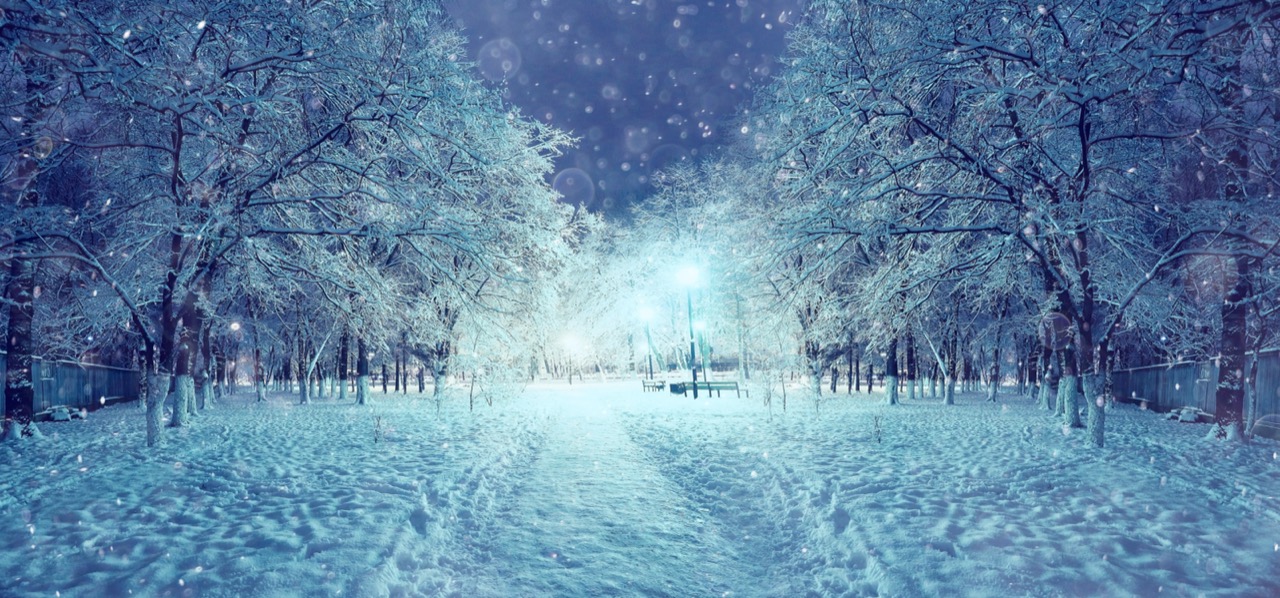
Every year, as temperatures drop and nights grow longer, people around the world turn to familiar stories, songs, and customs to brighten the season. The winter holidays are a colorful mix of legend, history, and popular culture, and many of the traditions we enjoy today are the result of centuries of blending ideas from different places and times.
One of the most beloved figures of the season is the jolly gift giver known by many names, including Santa Claus, Saint Nicholas, and Father Christmas. The modern image of Santa, with his red suit, white beard, and flying reindeer, grew from several sources. Saint Nicholas was a real bishop from the fourth century, remembered for his generosity. Over time, his story mixed with European gift-bringing traditions and later with American poems and illustrations, eventually creating the cheerful character who slides down chimneys and leaves presents under decorated trees.
Speaking of reindeer, the idea of a magical sleigh pulled through the sky by these hardy animals is fairly recent. The famous poem often called The Night Before Christmas helped popularize Santa’s eight reindeer, each with a memorable name. Later, the story of Rudolph, the red-nosed reindeer, added a ninth, whose glowing nose guides the team through fog and snow. These tales remind us how new stories can quickly feel as timeless as older legends.
Music is another key part of the festive season. Many carols began as religious songs, while others are simply about snow, friendship, and winter fun. Some songs that we think of as Christmas tunes were originally written for other occasions or in different languages before being translated and adapted. Over the years, classic recordings by well-known singers have helped turn these melodies into seasonal staples that return to radios and playlists every December.
Holiday movies also shape how we imagine this time of year. Black-and-white classics, animated specials, and modern comedies all offer their own versions of miracle moments, family reunions, and last-minute acts of kindness. These films are filled with scenes of snowy streets, decorated houses, and bustling shops, creating a shared visual language that many people recognize, even if their own celebrations look different.
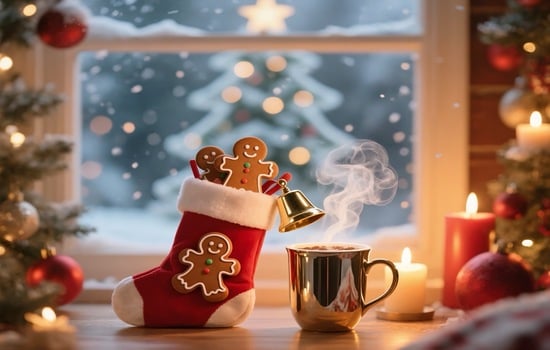
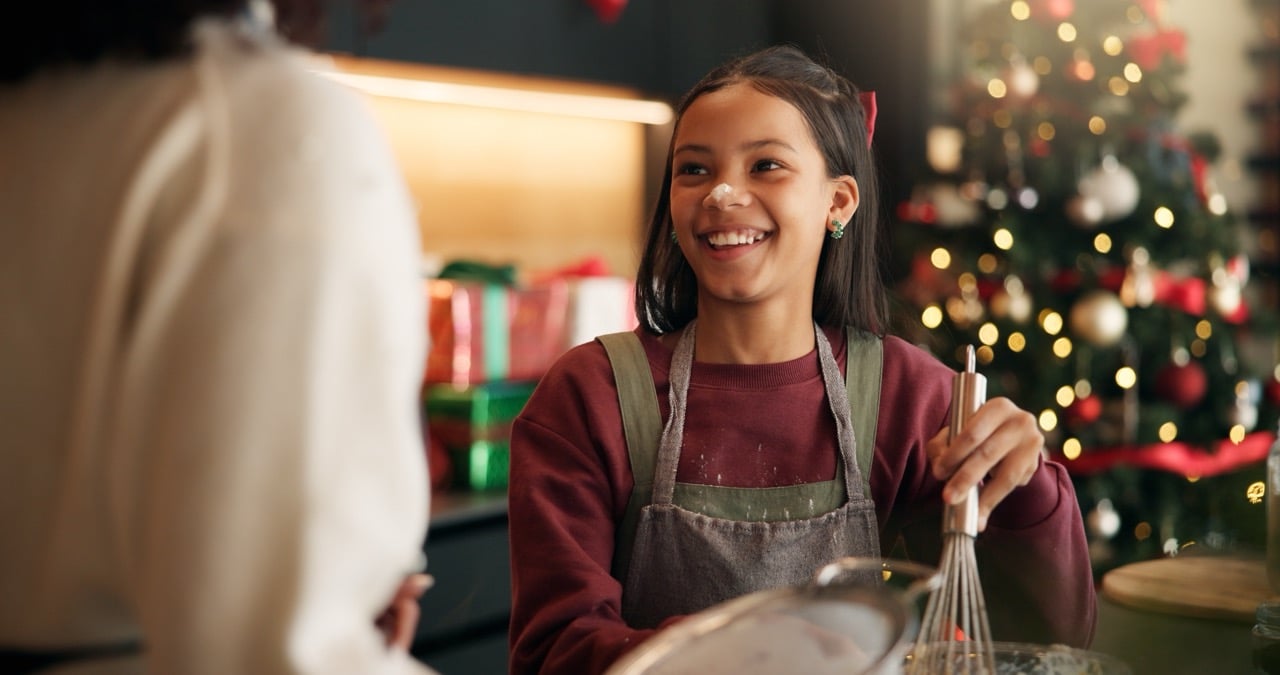
Food traditions are just as important. In some places, people bake cookies shaped like stars, trees, or bells. In others, special breads, cakes, or fried treats mark the season. Hot drinks such as cocoa, mulled cider, or spiced wine are popular ways to stay warm and cozy. Many families have their own recipes or rituals, passed down through generations, that make the holidays feel personal and meaningful.
Beyond any single story or custom, what truly ties these festive facts together is the feeling they create. The winter holidays encourage generosity, reflection, and togetherness. Whether you are answering trivia questions about carols and characters or simply sharing memories with friends, exploring the lore behind the season can deepen your appreciation for the celebrations that light up the darkest days of the year.