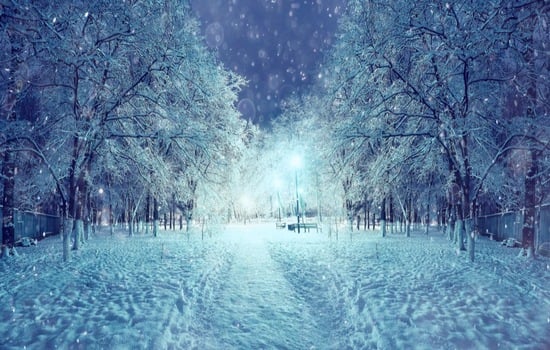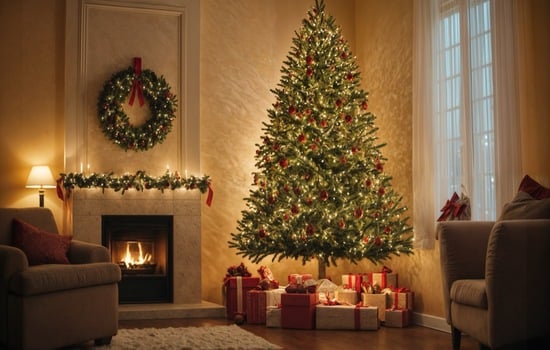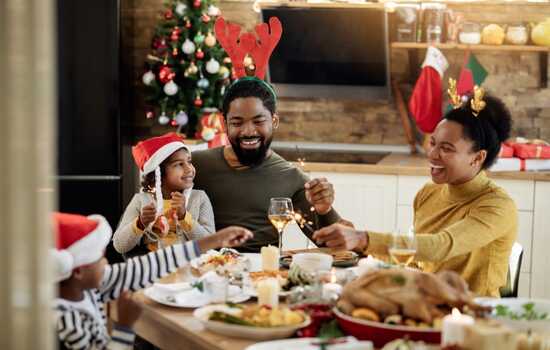





Every year, as the days grow shorter and the air turns crisp, people around the world step into a season filled with stories, symbols, and traditions. What many think of simply as the winter holidays is actually a rich blend of ancient rituals, religious observances, family customs, and modern pop culture. The result is a festive time of year where evergreen trees share the spotlight with movie marathons, and centuries old carols play alongside brand new songs on the radio.
Long before electric lights and shopping malls, midwinter was a powerful moment on the calendar. Ancient cultures noticed the winter solstice, the shortest day of the year, and celebrated the gradual return of the sun. In parts of Europe, people lit bonfires, decorated with greenery, and held feasts to push back the darkness. Many of these practices later blended into Christmas and other seasonal holidays. The familiar evergreen tree, for example, symbolizes life that endures even in the coldest months.
Religious traditions also shape this time of year. In Christianity, Christmas marks the birth of Jesus, and nativity scenes, church services, and special hymns reflect that story. In Judaism, Hanukkah commemorates the rededication of the Temple and the miracle of the oil, inspiring the lighting of the menorah and songs about resilience and hope. Other celebrations, such as Kwanzaa, focus on cultural heritage, community, and shared principles, adding even more layers to the season.
Around these core observances, local customs flourish. In Germany and Austria, Christmas markets transform town squares into glowing villages of wooden stalls, warm drinks, and handmade crafts. In Scandinavia, traditions like Saint Lucia Day bring candlelit processions into the dark mornings of December. In Latin America, families may reenact the journey of Mary and Joseph in processions called posadas, while fireworks and late night gatherings fill the streets.
Food is one of the most delightful ways to experience holiday lore. Each region boasts its own specialties, from gingerbread and stollen in parts of Europe to tamales in many Mexican and Central American communities. Cookies left out for Santa, mince pies, fruitcakes, and spiced drinks all carry stories about hospitality, abundance, and the joy of sharing a meal. Even the simple act of baking together can become a cherished family ritual passed down through generations.
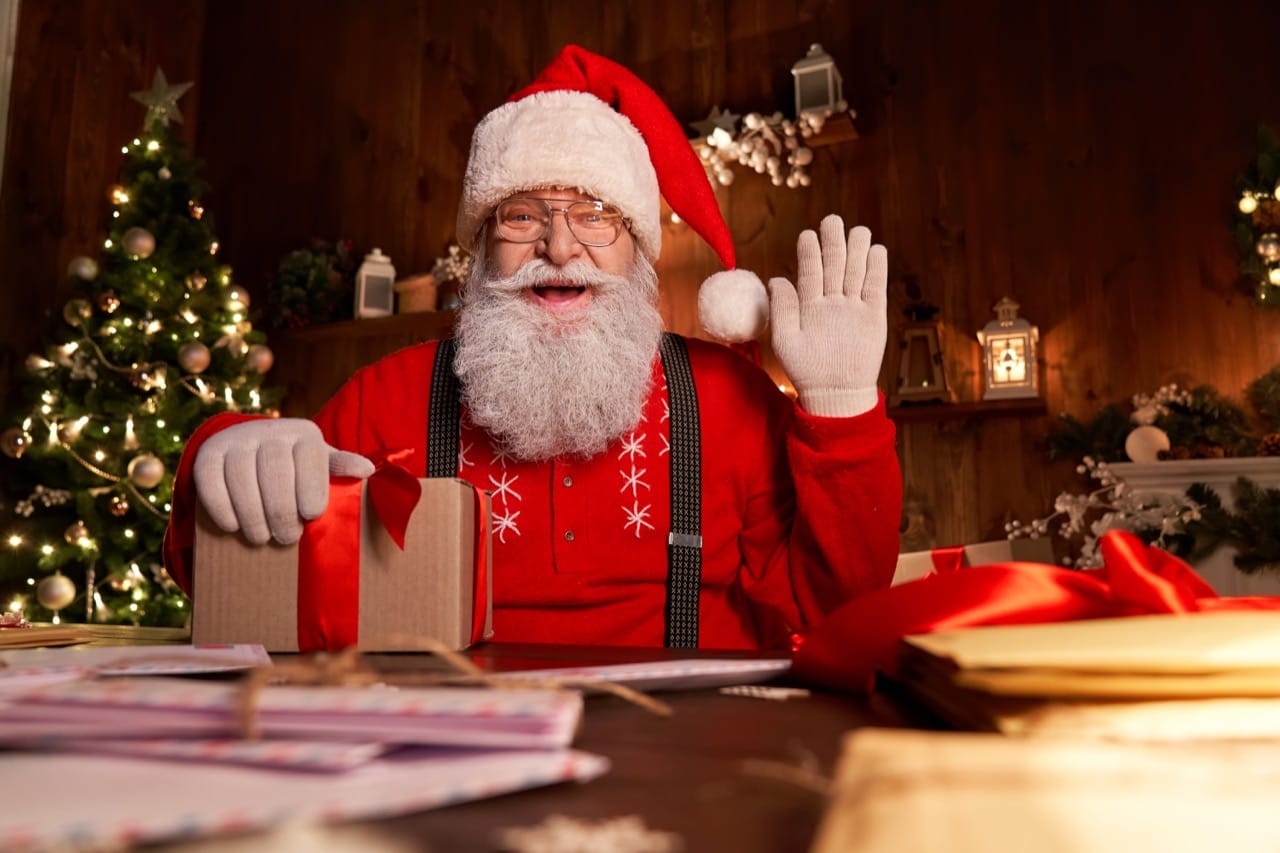
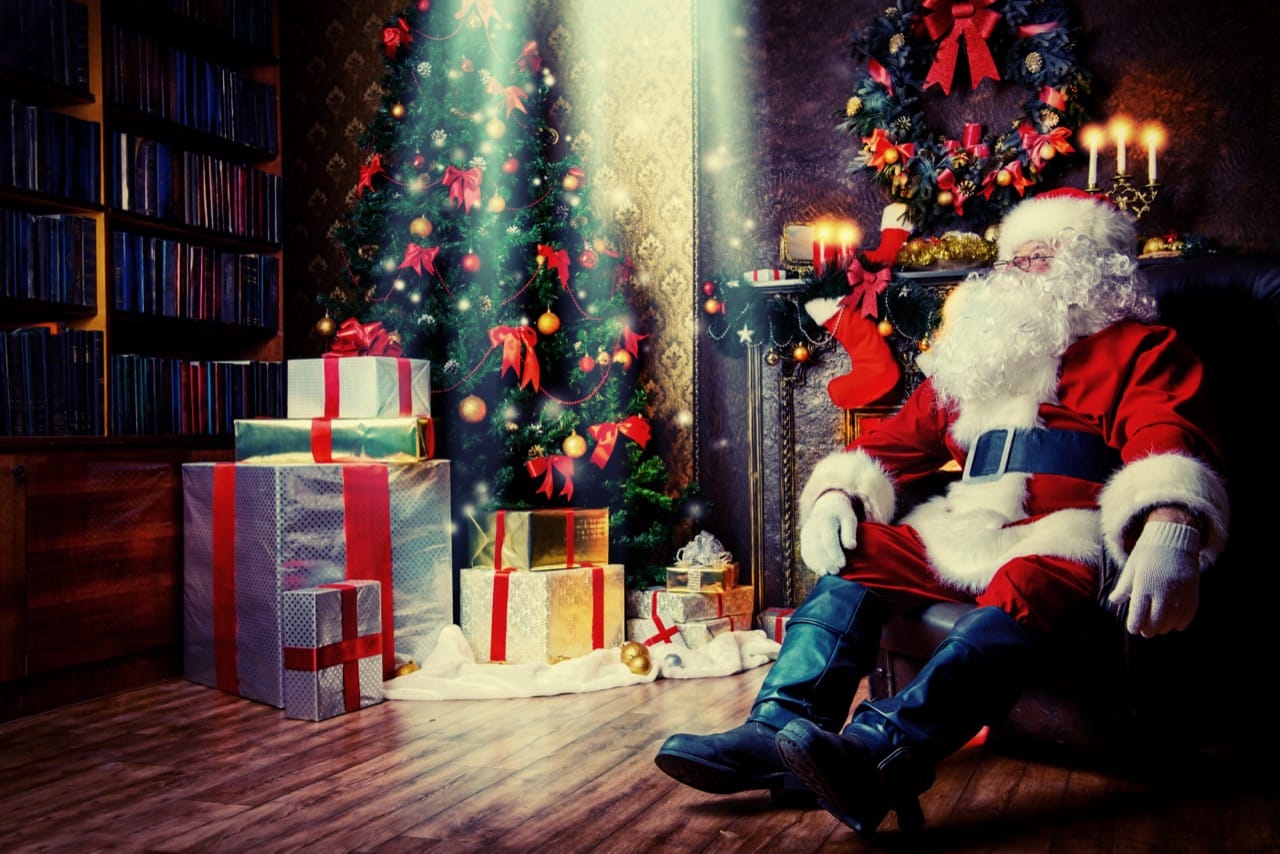
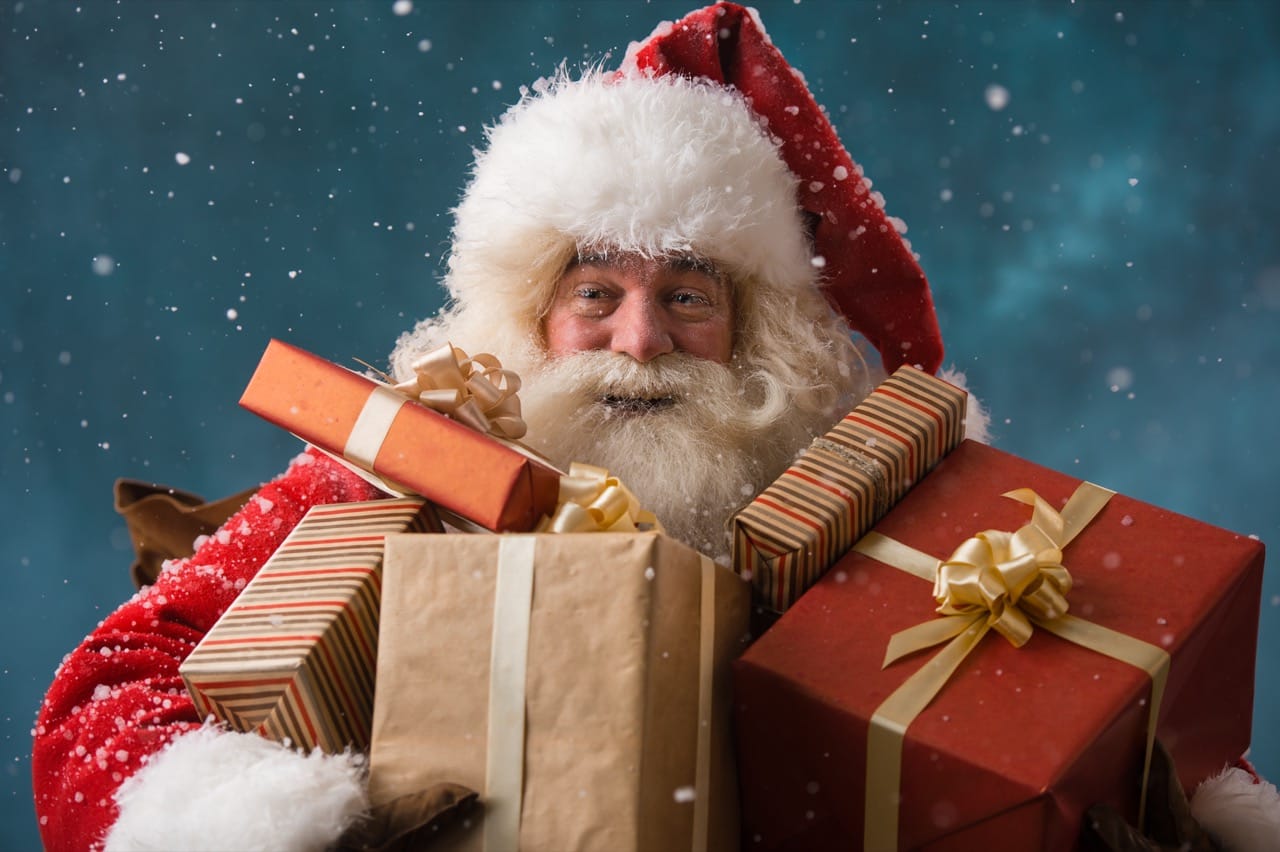
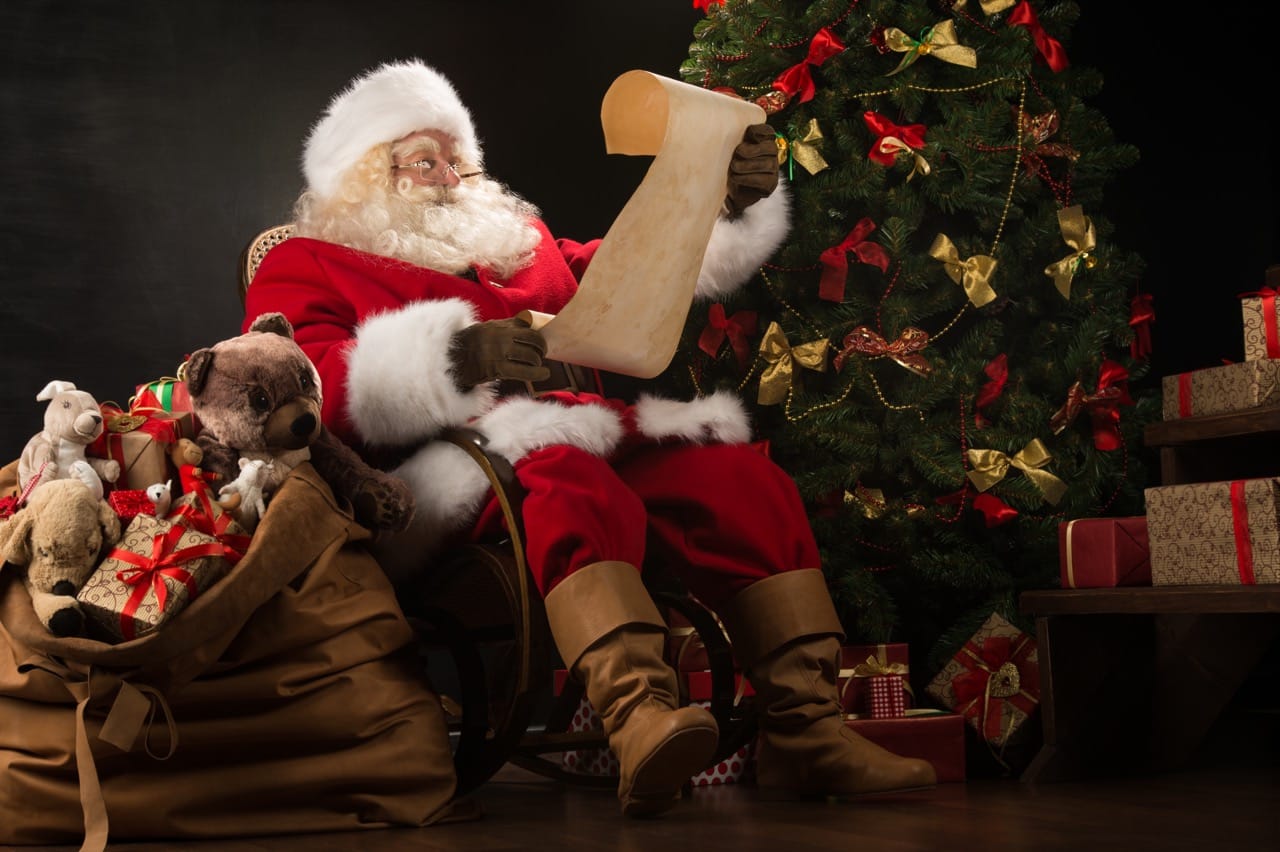
Of course, no discussion of holiday lore is complete without the figures in red and other legendary visitors. Santa Claus draws on influences from Saint Nicholas, a generous bishop known for secret gift giving, and from various European gift bringers like Sinterklaas and Father Christmas. In some cultures, children await wise men, snow spirits, or kindly witches who deliver treats. These characters reflect hopes for kindness, reward for good behavior, and a bit of magical mystery.
Modern media has added new layers to the season. Classic films, television specials, and beloved songs have become traditions in their own right. Families gather to rewatch favorite movies, and certain tunes instantly signal that the holidays have arrived. While these are relatively recent additions, they join older customs to form a living tapestry of stories that continues to evolve.
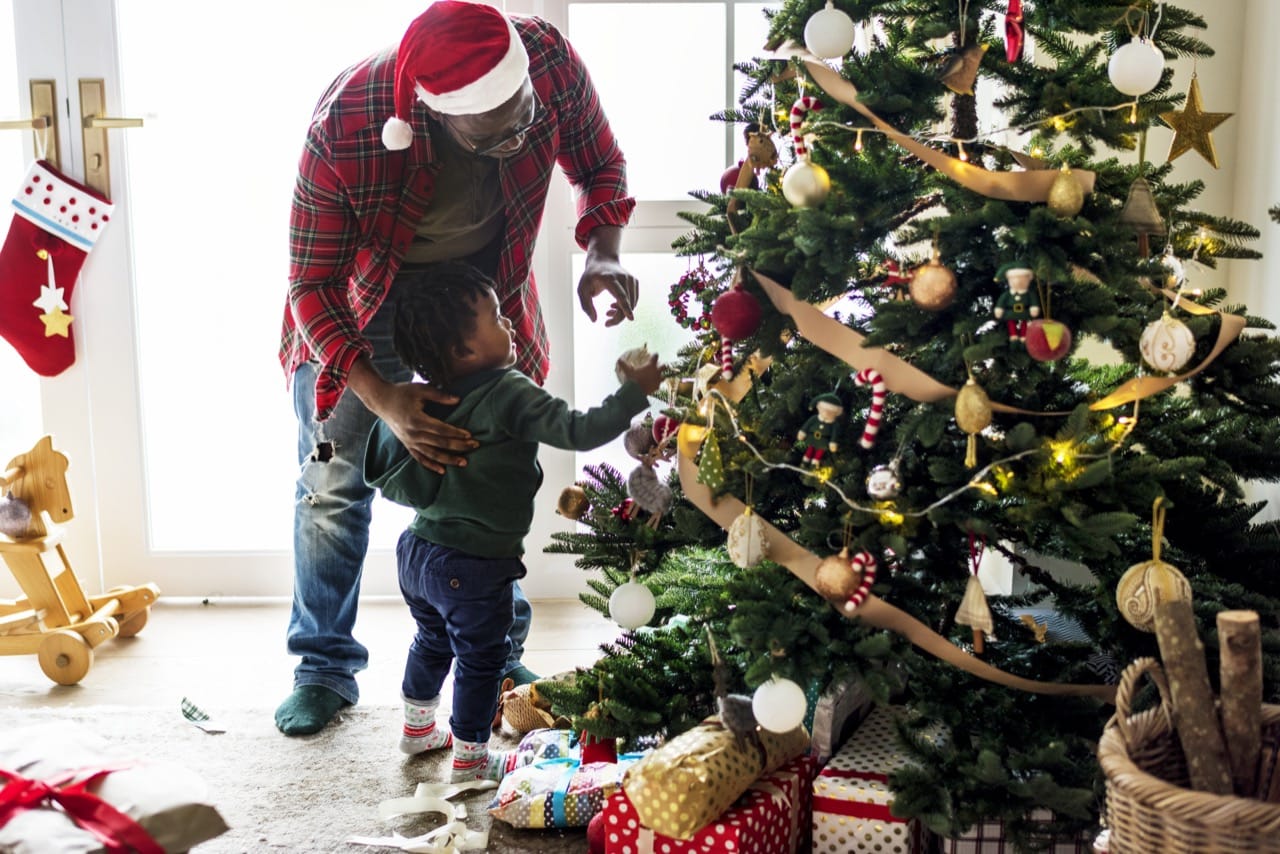
Taken together, these legends, customs, treats, and tunes reveal how people across time have responded to winter with creativity and connection. Whether you are sipping cocoa by a decorated tree, strolling through a market, lighting candles, or humming along to a familiar carol, you are participating in a global and ever changing story. The snowy secrets of the season are not just about what happened long ago, but about the memories and traditions you help create today.