





Every year, familiar signs announce the arrival of the winter holiday season: twinkling lights in windows, songs drifting through stores, and images of jolly figures and flying reindeer. These traditions can feel so natural that we rarely stop to ask where they came from or how they became part of a global celebration. The story of this season is actually a layered mix of ancient customs, religious observances, folklore, and modern pop culture.
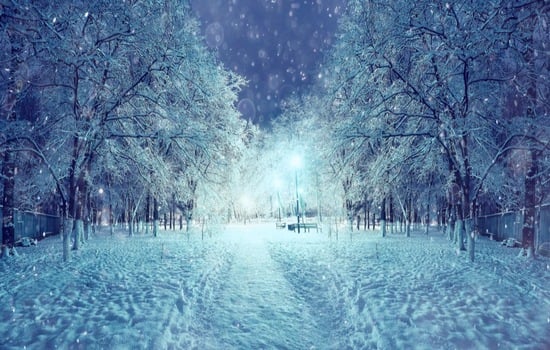
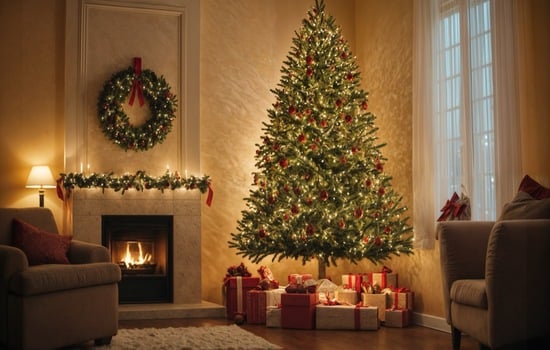
Long before the holiday we know today, many cultures held midwinter festivals to brighten the darkest time of year. In parts of Europe, people celebrated the winter solstice, the shortest day and longest night. Bonfires, evergreen branches, and feasts were common ways to bring warmth and hope. Evergreen trees and wreaths symbolized life that endured even in the cold, a meaning that still echoes in modern decorations.
As centuries passed, religious traditions combined with these older customs. The story of a special birth in a humble setting became central to many celebrations. Over time, community rituals grew around it: special meals, gatherings, and acts of charity. In some places, quiet reflection was emphasized, while in others, lively markets and public festivals took center stage. The result is a season that can be both deeply spiritual and joyfully social.
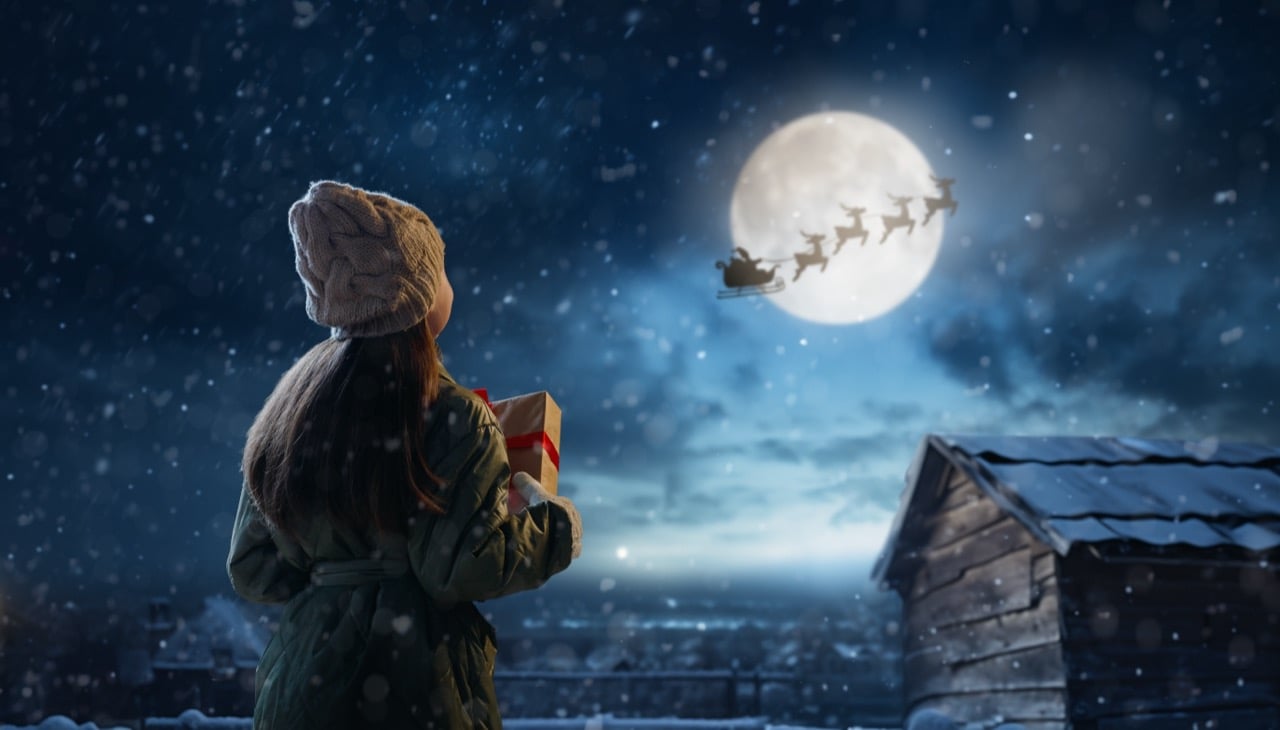
Folklore added another layer of magic. The figure many people know as Santa Claus has roots in several characters, including a generous bishop known for secret gift giving and various European gift bearers who rewarded good behavior. In the United States and other countries, these influences blended into the red suited, sleigh riding figure popularized in the 19th and 20th centuries. The idea of flying reindeer, named and characterized in poems and songs, turned a simple gift giver into the star of a modern legend.
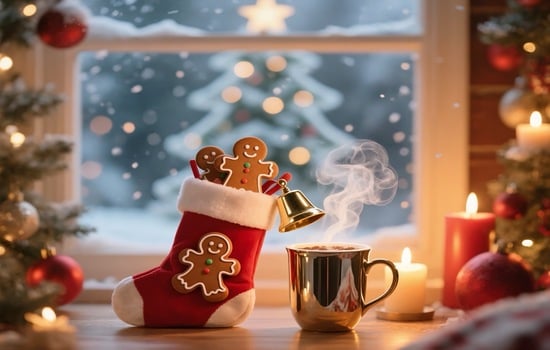
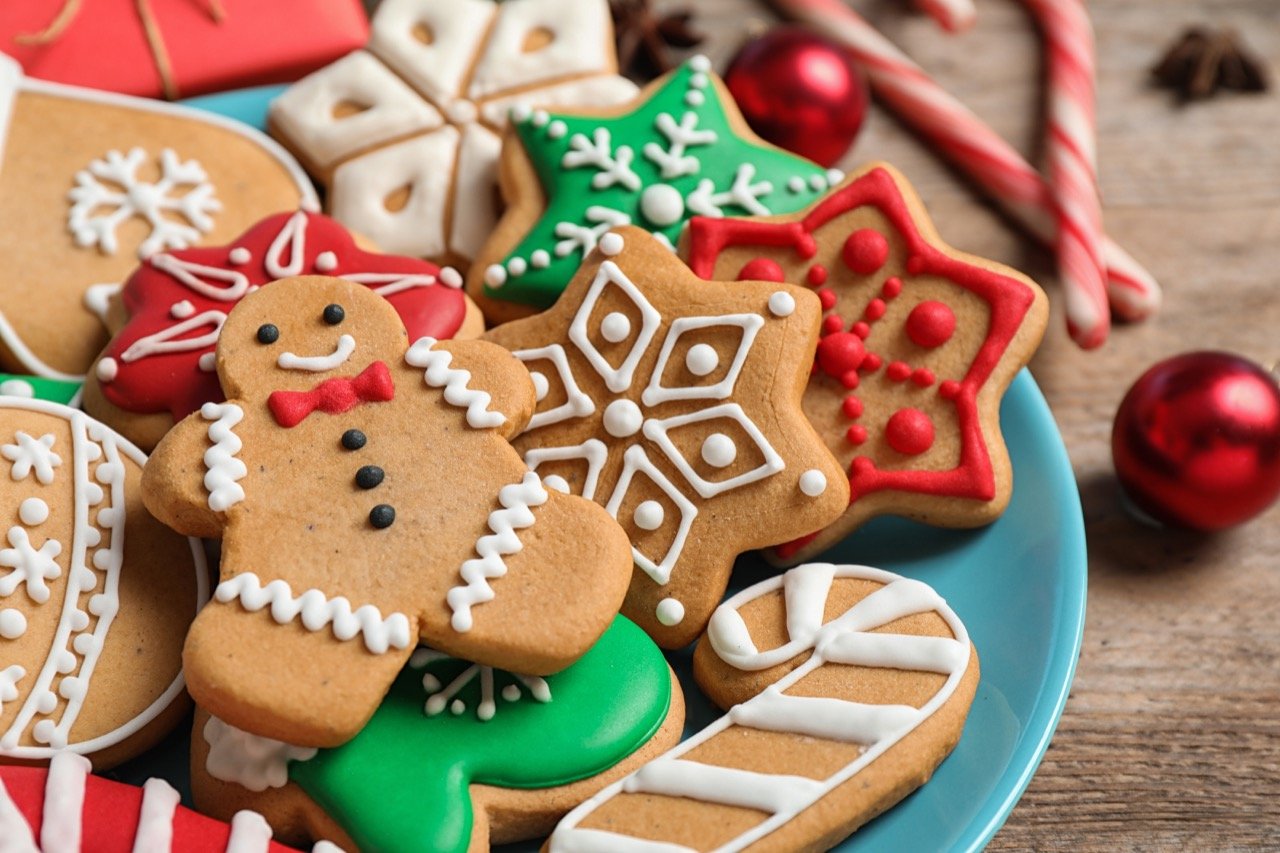
Food traditions also reveal hidden stories. In some regions, rich breads and cakes are tied to historical fasts and feasts. Spices once considered rare and luxurious became associated with special holiday baking. Dishes served today may reflect trade routes, immigration, and local harvests as much as religious or cultural symbolism. Sharing these foods often carries the unspoken message of welcome and togetherness.
Movies and music have further shaped how we imagine the season. Classic films introduced images of snowy small towns, last minute miracles, and heartwarming reunions. Holiday songs, from solemn carols to cheerful pop hits, help set the emotional tone. Many of these works were created in the last hundred years, yet they feel timeless because they tap into universal themes of hope, nostalgia, and community.
Around the world, people celebrate in diverse ways. Some exchange gifts on different days, others focus on lanterns, fireworks, or street parades. Certain cultures emphasize quiet family time, while others highlight public festivals and charity events. Even where the climate is warm and snow is only an idea, symbols like stars, candles, and evergreens create a shared seasonal language.
Behind every carol, cookie, and ornament lies a story that connects past and present. Learning these snowy secrets does more than boost your trivia skills. It deepens your appreciation for the traditions you enjoy and invites you to see the winter legend as a living, evolving tapestry of human creativity and connection.