







Every year, the winter holidays arrive in a swirl of lights, music, and familiar rituals. Yet behind the cozy scenes of carols, cookies, and crowded living rooms lies a surprisingly deep history. Many of the traditions people now treat as simple fun began as serious midwinter rituals, clever bits of storytelling, or even marketing ideas that took on a life of their own.
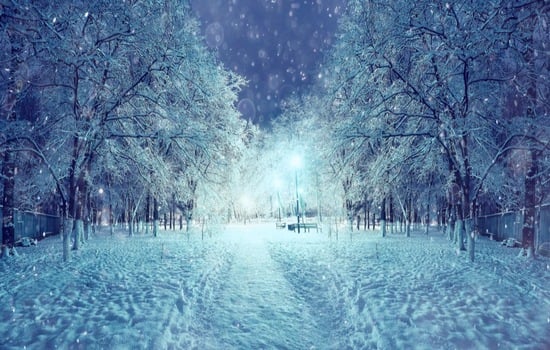
Long before modern celebrations, communities across Europe marked the darkest days of the year with festivals of light and fire. Ancient Romans held Saturnalia, a noisy, upside down holiday when social roles briefly loosened and gifts were exchanged. In northern Europe, people burned giant Yule logs to chase away the cold and darkness. Evergreen plants, which stayed green when everything else looked dead, became powerful symbols of life and hope.
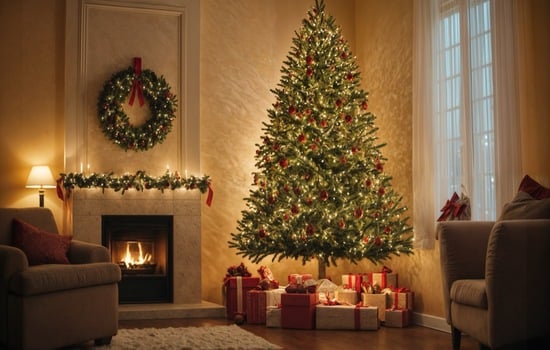
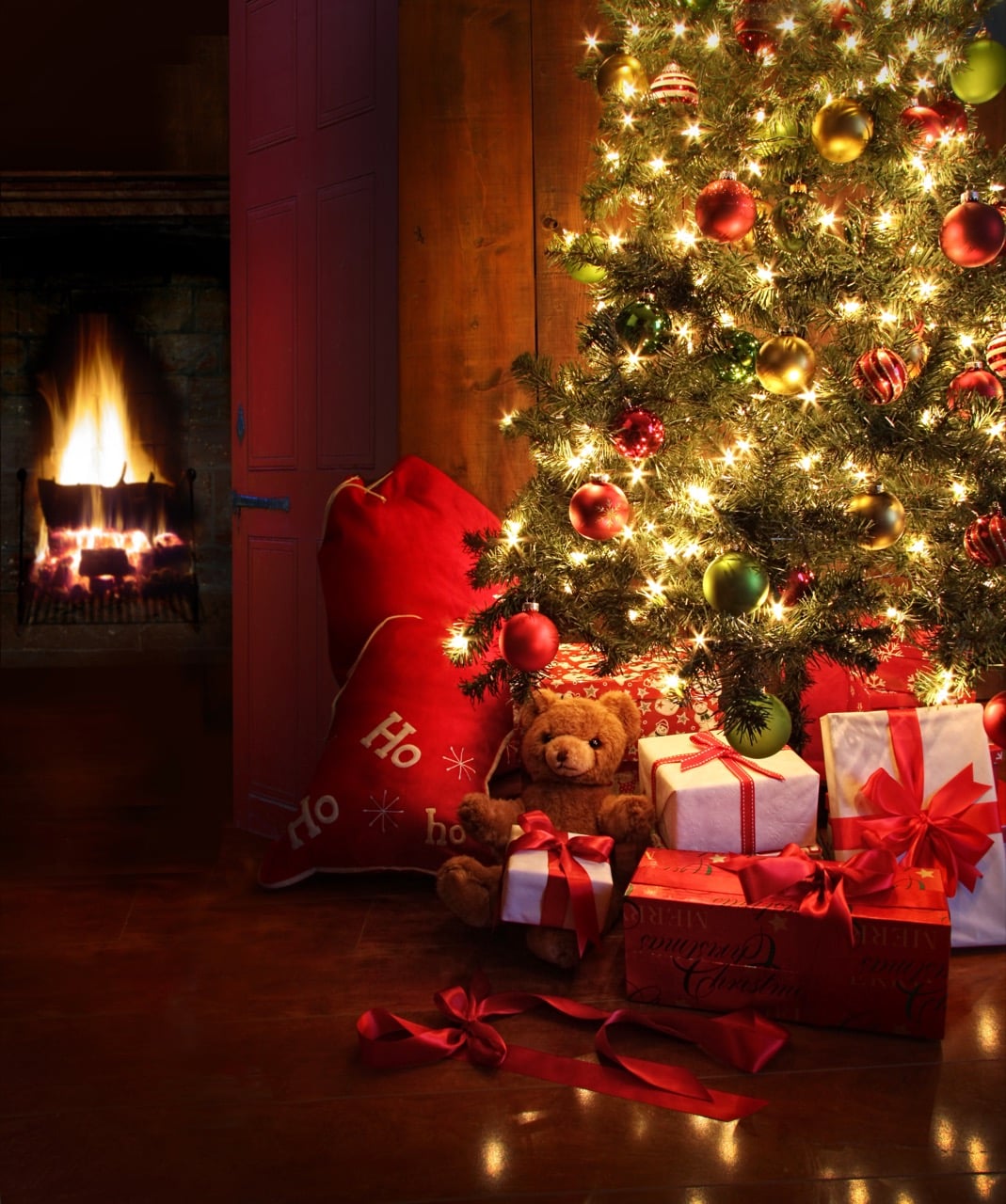
The decorated tree, now a standard image of the season, seems so natural that it is easy to forget it has an origin story. The custom of bringing evergreens indoors and adorning them with candles and sweets grew strong in German speaking regions. Over time, German immigrants carried the tradition abroad. When images of a decorated tree connected to British royalty spread in the nineteenth century, the idea quickly caught on in other countries and became a central holiday symbol.
Music is another area where legend and reality often blend. Many beloved carols are much younger or older than people assume, and some do not come from the countries most people associate them with. A gentle lullaby might have started as a folk tune, while a grand sounding hymn could have been written by a single composer with a very specific purpose in mind. Recordings by famous singers and rock bands later helped fix certain versions in the public imagination, even when earlier lyrics or melodies were quite different.
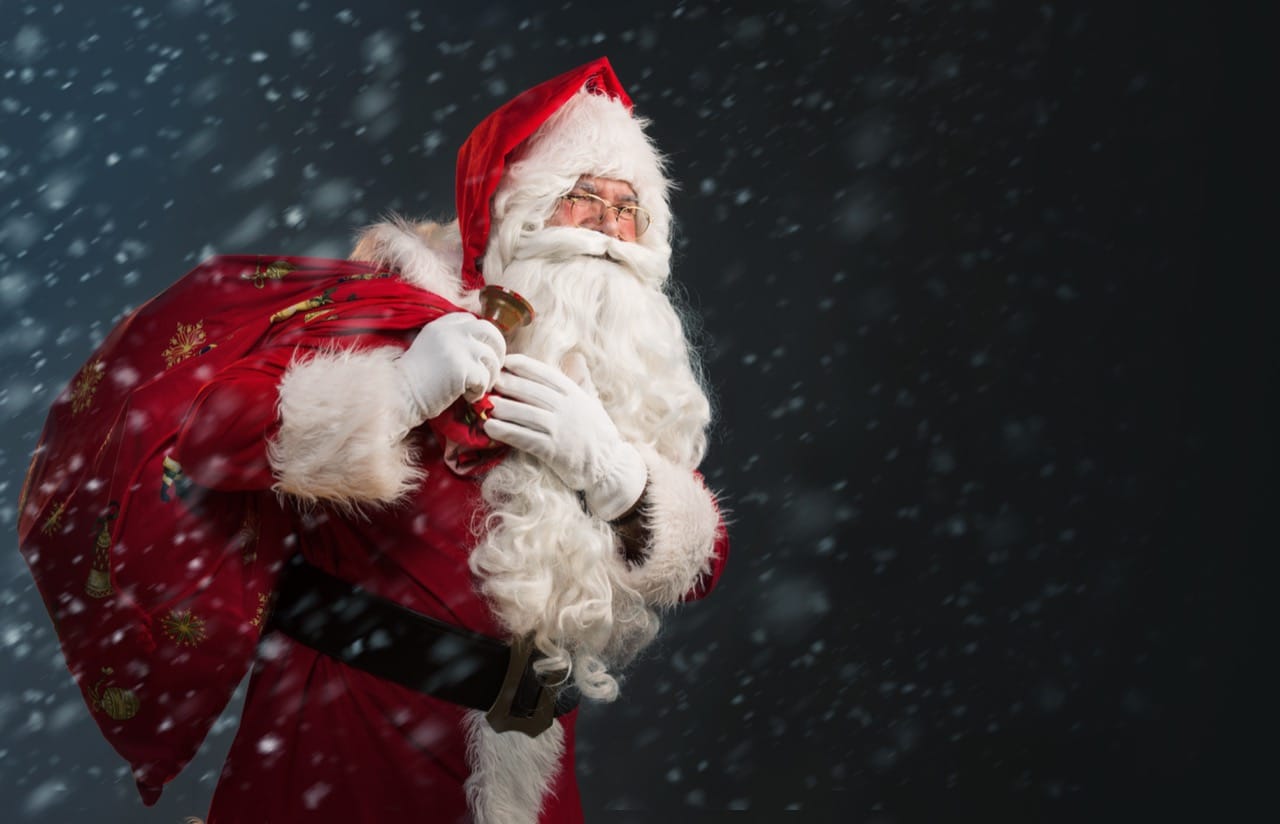
Holiday folklore is full of curious figures beyond the familiar gift bringer and his flying reindeer. In some cultures, a kindly saint travels with a sterner companion who deals with misbehaving children. In others, mysterious animals, snow spirits, or household creatures are believed to visit during the long winter nights. These stories often reflect local worries about hunger, cold, and community behavior, wrapped in colorful characters that are easier to remember.
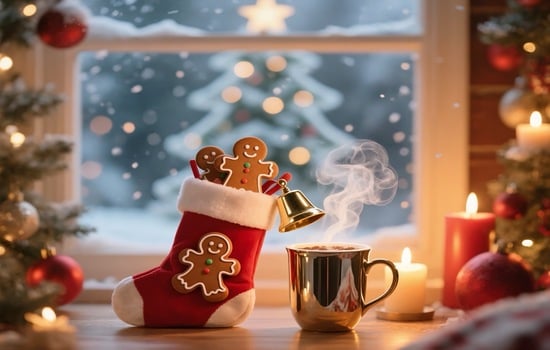
Modern customs can be just as surprising as ancient ones. In some places, people hide a glass pickle ornament in the branches of the tree, and the person who finds it is promised good luck or an extra present. In parts of Eastern Europe, delicate spider web decorations are hung to honor a tale in which spiders secretly covered a poor family’s tree with shimmering webs that turned to silver. Gingerbread houses, now a fun craft for children, may echo old ideas about enchanted forests and tempting, dangerous sweets.
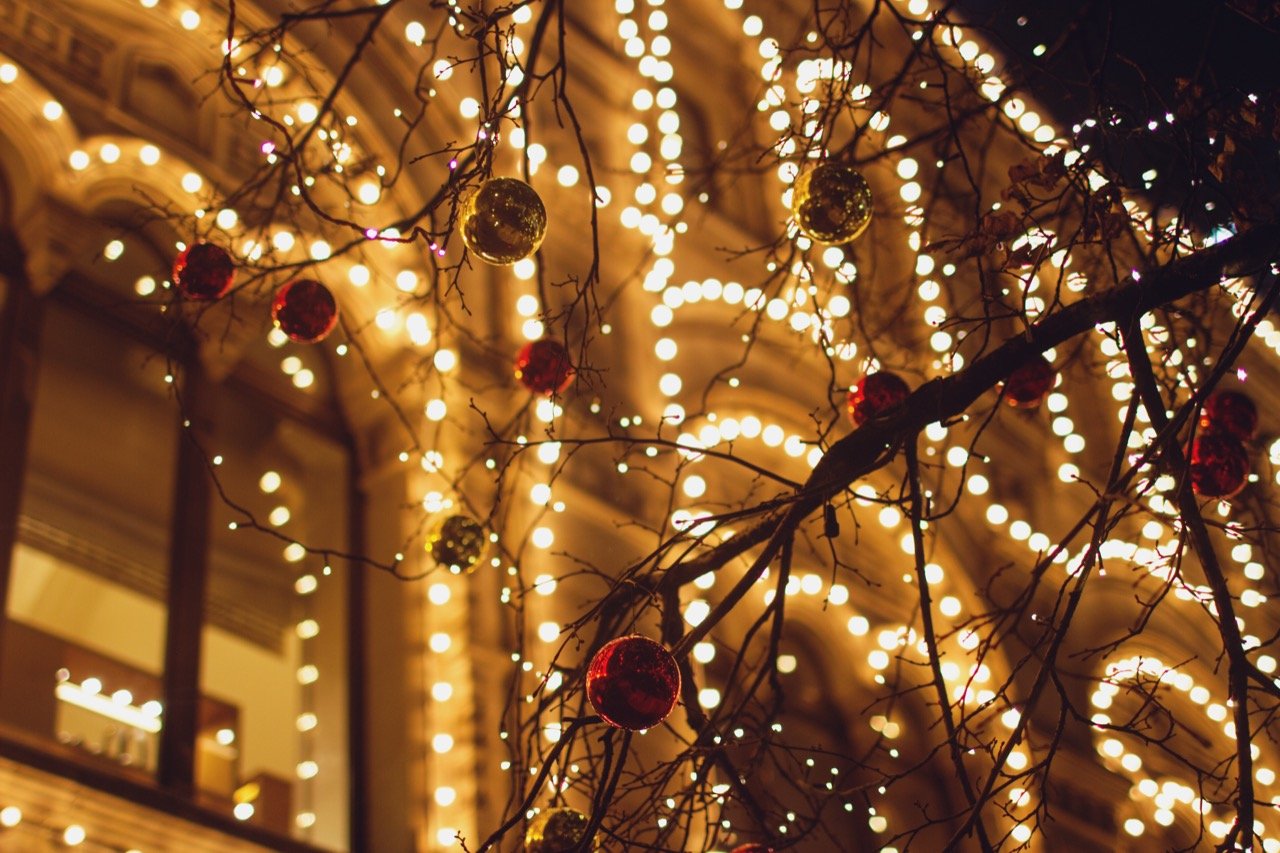
Even the colors that dominate seasonal decorations have layered meanings. Red and green come from evergreens and berries that stood out against the snow, while gold recalls candlelight and the hope of the returning sun. Over centuries, religious symbolism, royal preferences, and commercial design all reinforced these shades until they felt inevitable.
Behind every carol, cookie, and ornament lies a tangle of history, myth, and clever invention. Learning the stories behind these traditions turns the season into a kind of grand puzzle. The more you discover, the more you realize that the holidays are not just about repetition, but about centuries of change, creativity, and shared imagination.