










When winter nights grow long and cold, people around the world respond with light, music, and stories. The season often called Yuletide is much more than a single holiday. It is a collection of celebrations, some ancient and some modern, that share common themes of warmth, hope, and togetherness.
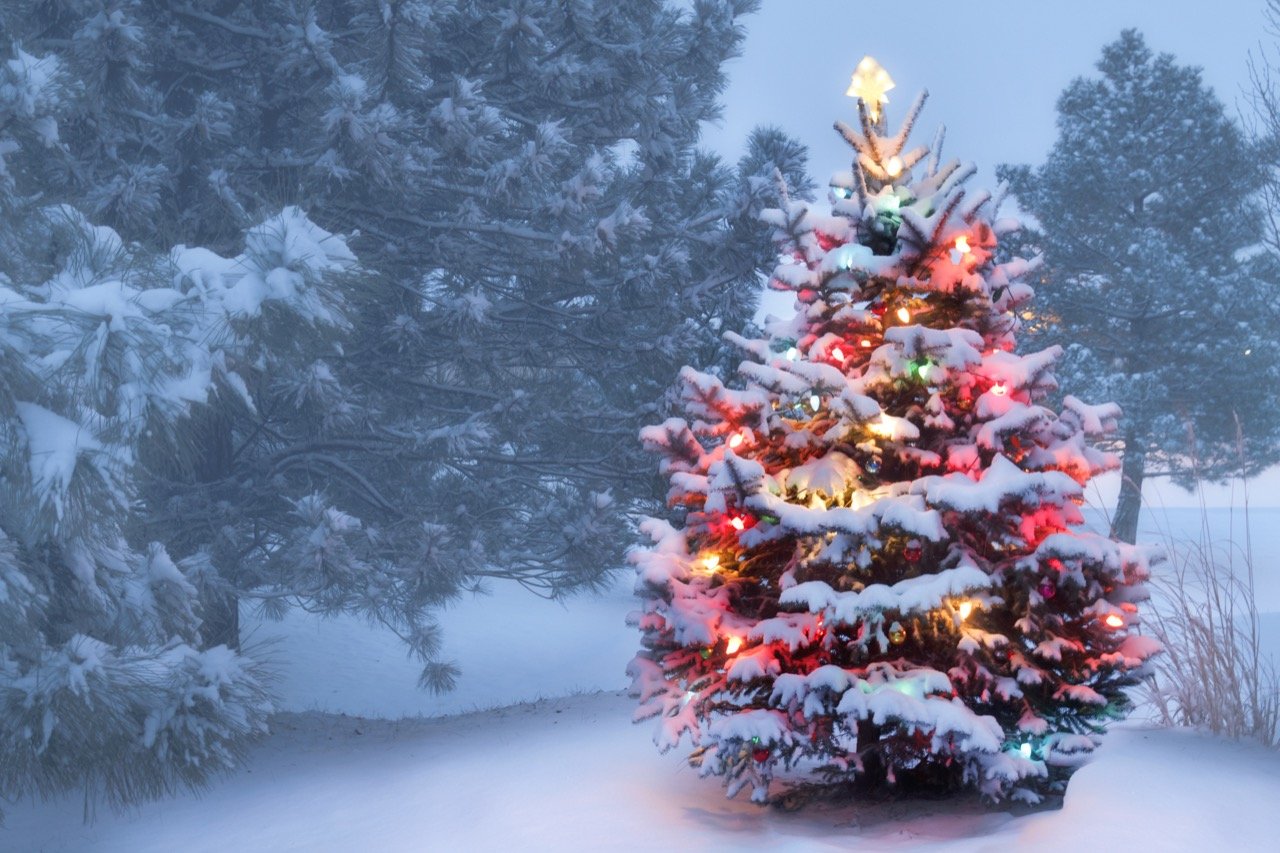
Long before electric lights and shopping malls, many cultures marked the winter solstice, the shortest day of the year. In parts of Northern Europe, midwinter festivals honored the return of the sun with bonfires, feasts, and evergreen branches. Evergreens, which stay green when other plants lose their leaves, came to symbolize endurance and life in the darkest months. Over time, these nature based customs blended with religious traditions and local folklore, creating the rich mix of practices we see today.
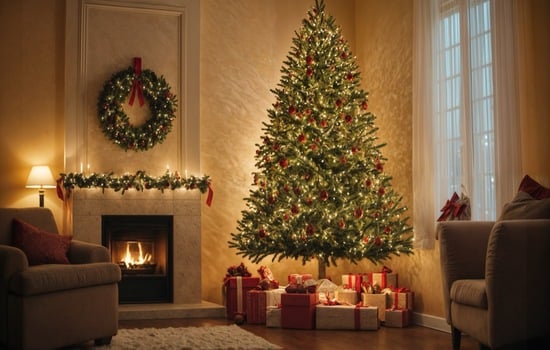
One of the most recognizable symbols of the season is the decorated tree. While people in different countries use various plants and ornaments, the idea of bringing greenery indoors during winter is widespread. In Germany, families popularized the modern Christmas tree, hanging candles, apples, and later glass ornaments on the branches. As the custom spread, each region added its own flair, from paper stars in Scandinavia to bright tinsel and themed decorations in North America.
Food is another universal language of Yuletide. In Italy, the Feast of the Seven Fishes highlights seafood on Christmas Eve, reflecting coastal traditions and religious customs. In Mexico, families gather for tamales and steaming mugs of chocolate or atole after evening processions called posadas. In the United Kingdom, rich fruitcakes and Christmas puddings, often soaked in spirits and set aflame before serving, show how old preservation methods became festive showpieces. Even familiar treats like gingerbread have long histories, once shaped into elaborate figures and houses for special occasions.
Music and storytelling also play a central role. Carols began as simple songs for dancing and celebration, sometimes outside churches rather than inside. Over the centuries, they moved into town squares, homes, and eventually recordings and radio. Today, classic songs fill malls and living rooms, and many families have favorite albums or playlists they return to every year. In some places, such as the Philippines, carolers go door to door, turning music into a way to connect neighbors.
Legendary figures add a touch of magic. The modern image of Santa Claus grew from various sources, including the generous Saint Nicholas, Dutch Sinterklaas, and British Father Christmas. In Iceland, children hear about the Yule Lads, a group of mischievous visitors who leave treats or potatoes in shoes. In parts of Eastern Europe, figures like Ded Moroz, or Grandfather Frost, bring gifts during New Year celebrations instead of Christmas.
Modern customs continue to evolve. Movie marathons, ugly sweater parties, and outdoor light displays have joined older rites. Yet the heart of Yuletide remains the same across cultures: creating warmth against the cold, sharing food and stories, and passing traditions from one generation to the next. Exploring these varied customs can deepen our appreciation of the season and perhaps inspire new ways to celebrate with the people we love.