


When winter settles in and the air smells of cinnamon, pine, and baked treats, it is easy to think we know everything about the holiday season. We picture glowing lights, wrapped gifts, and familiar songs playing in the background. Yet behind these cozy scenes lies a surprising web of stories, customs, and historical twists that stretch across centuries and cultures.
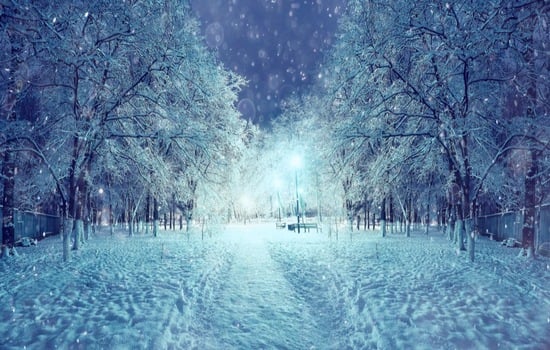
Many modern winter holidays grew from much older celebrations tied to the changing seasons. Long before electric lights and storefront displays, people marked the winter solstice, the shortest day of the year, with festivals of light. In parts of ancient Europe, bonfires, candles, and evergreen branches symbolized hope that the sun would return and the days would grow longer again. Today, strings of lights on houses and trees continue that tradition in a new form, turning dark evenings into something bright and inviting.
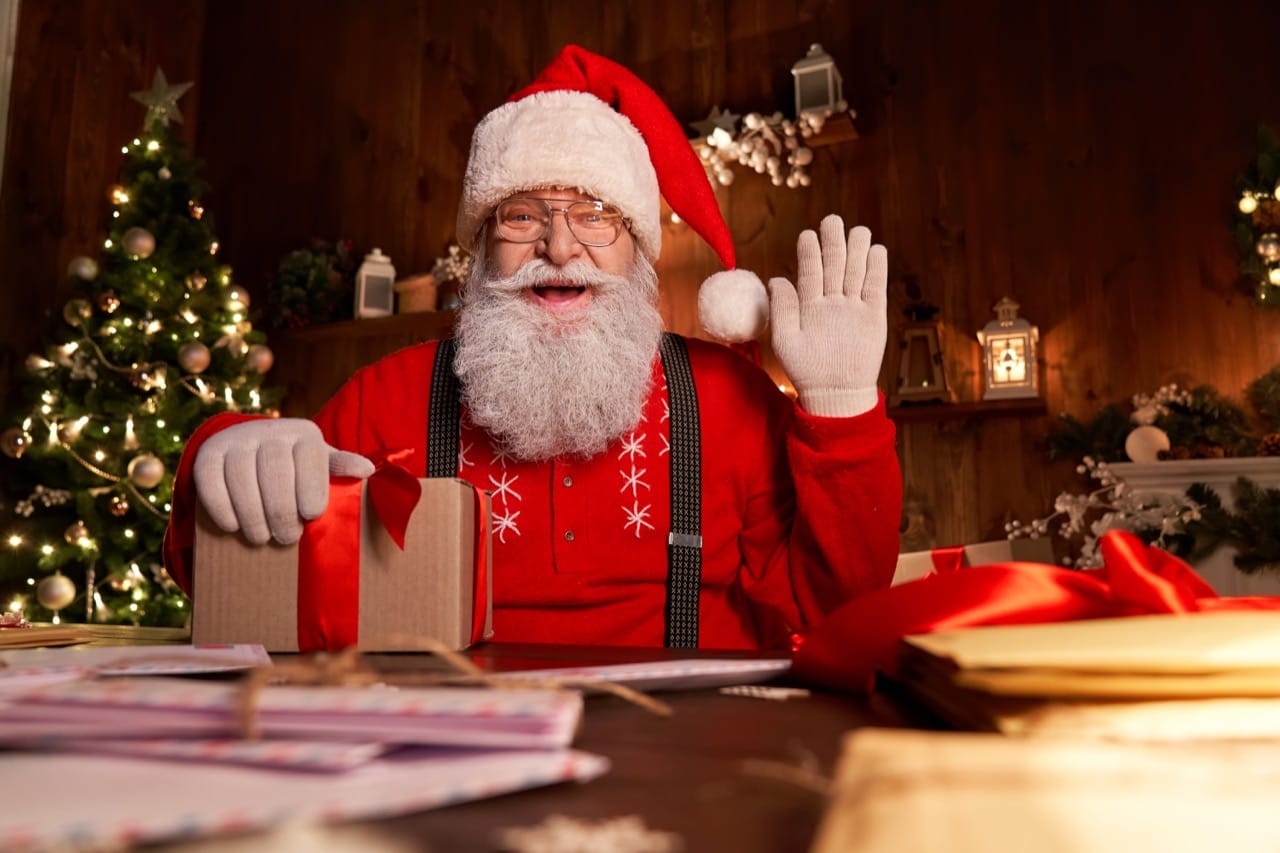
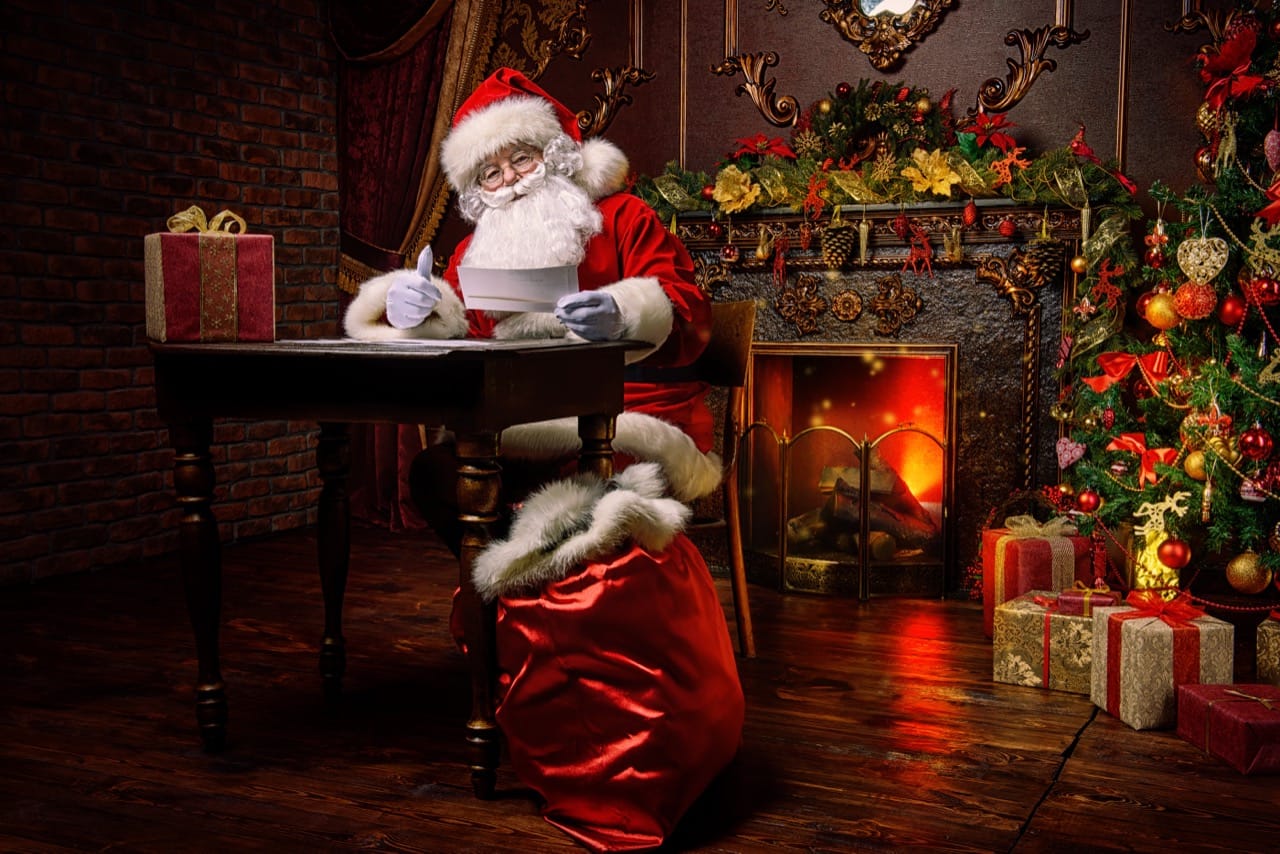
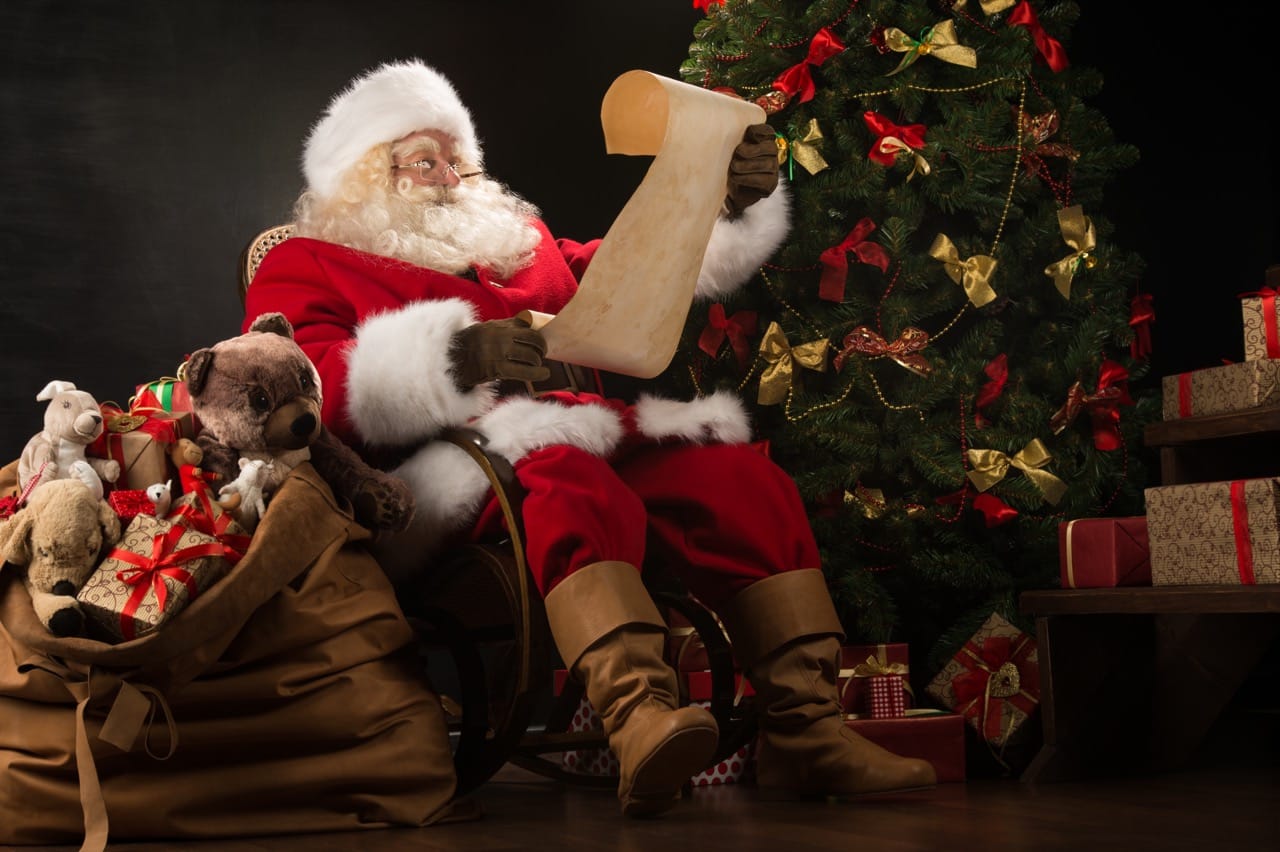
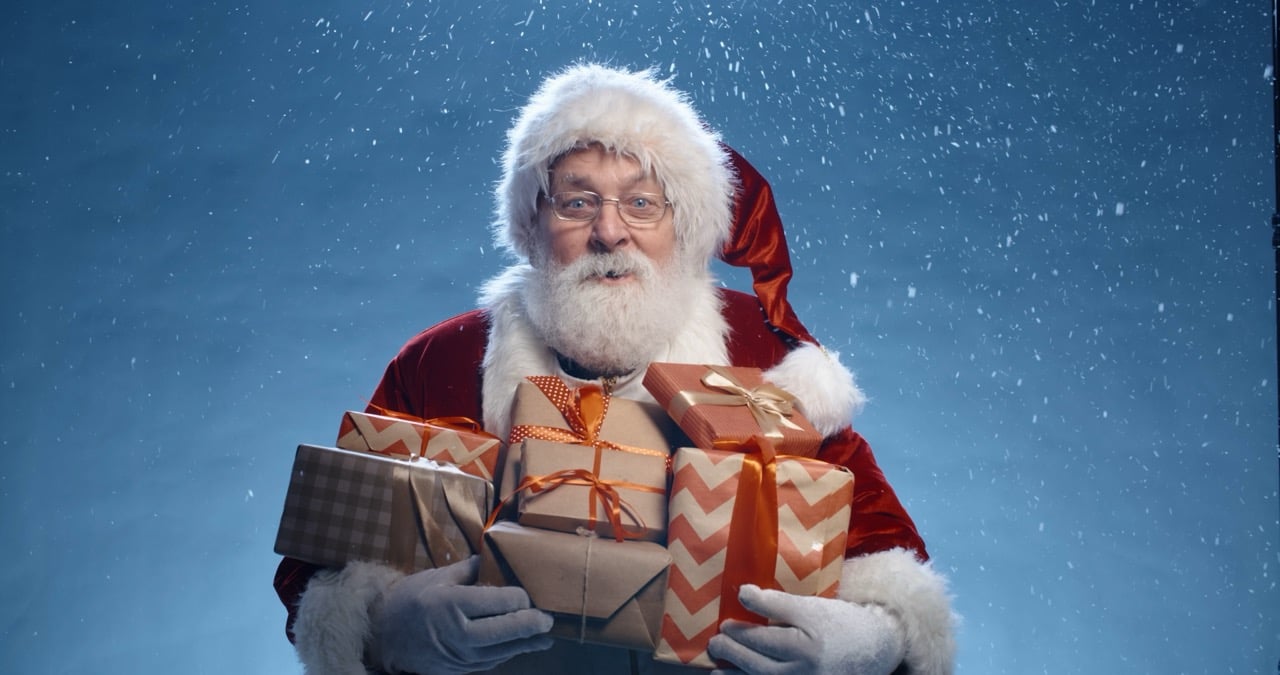
Some of the most familiar holiday figures are also the most misunderstood. The modern image of a jolly man in a red suit is a blend of different stories, from a generous Christian bishop known for secret gift giving to later artistic and commercial interpretations. Over time, these influences merged into the figure recognized in many countries today, although local versions still exist. In some places, children wait for a wise figure who arrives on a different date, or for a group of gift bringers who share the role.
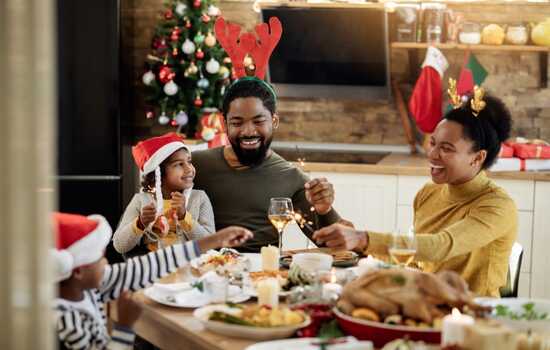
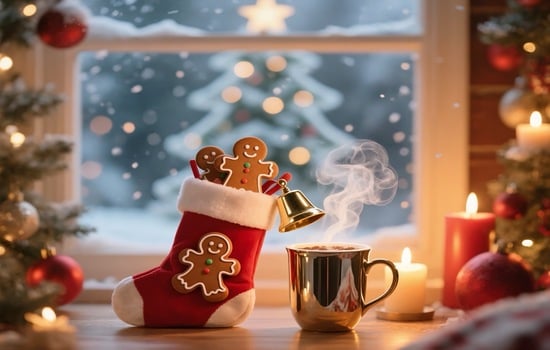
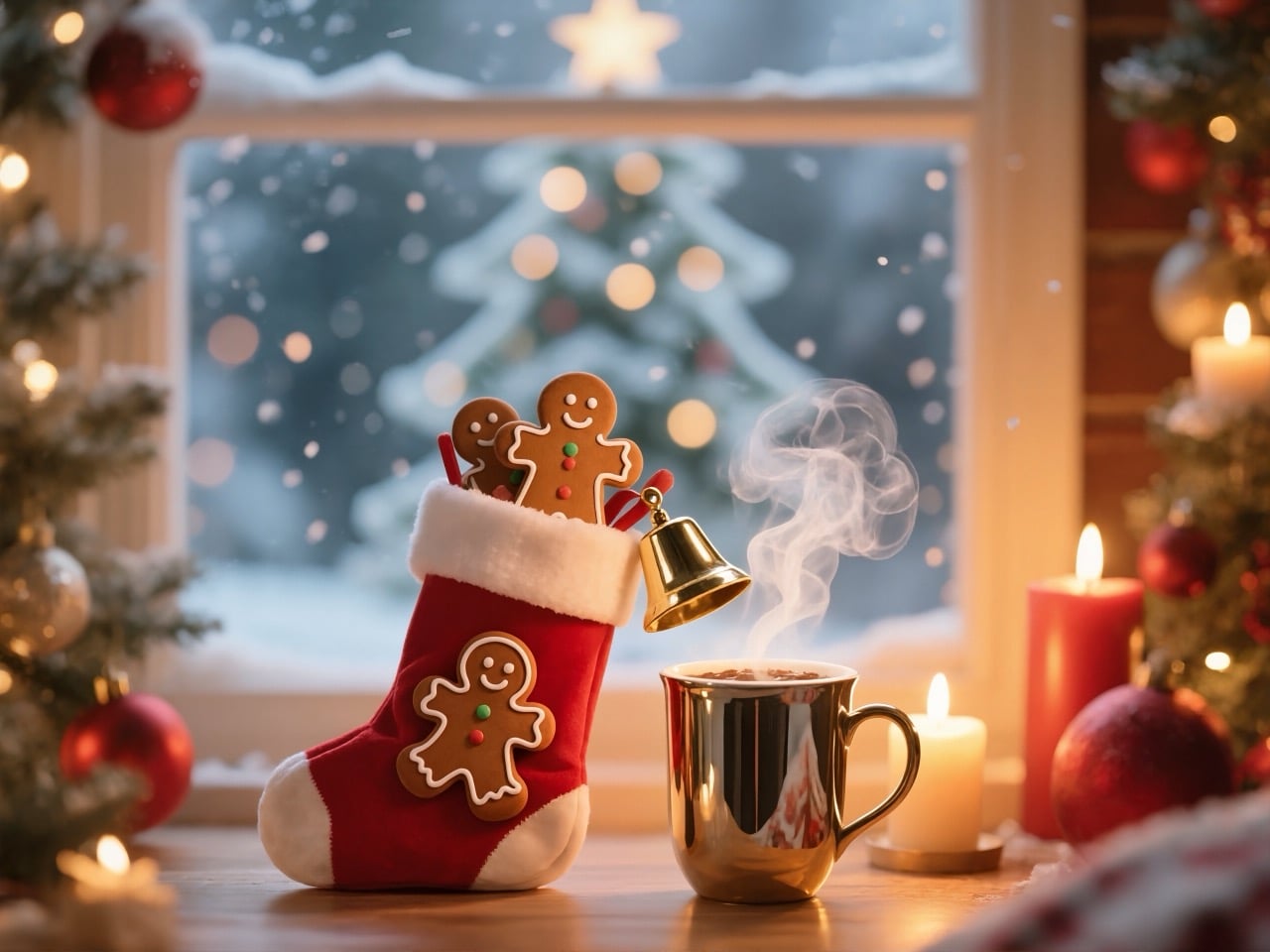
Food is another way holiday lore travels and changes. Gingerbread, for example, has roots in medieval Europe, where spiced breads and cookies were special treats reserved for festivals. Today, gingerbread houses and cookies shaped like people have become playful symbols of the season. Similarly, dishes like roasted meats, rich puddings, or sweet breads often began as once-a-year feasts when families used precious ingredients to celebrate surviving another harsh winter.
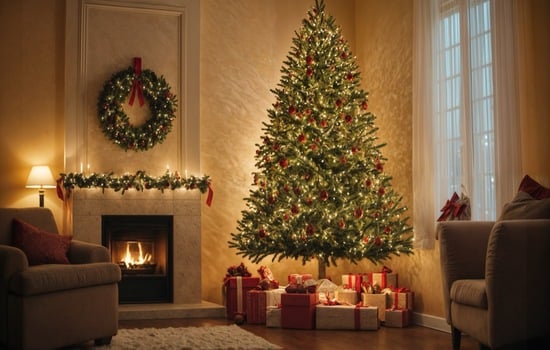
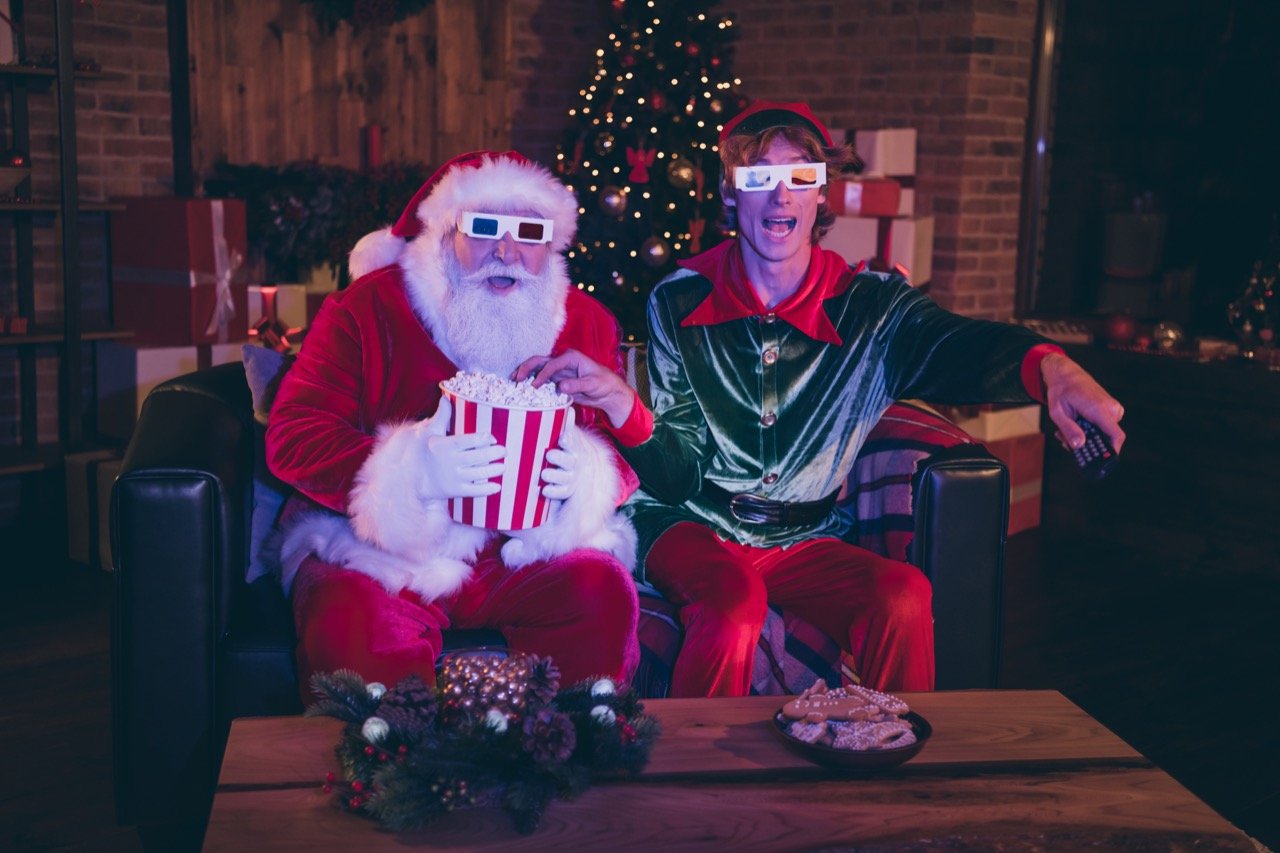
Stories told during the holidays also reveal how traditions evolve. Classic tales about generous spirits, mysterious visitors, or miraculous events have been retold in books, plays, and films, each version adding new details. Some holiday movies have become traditions themselves, watched year after year until their lines and characters feel like part of the family. These stories shape how people imagine the season, from snowy city streets to cozy fireplaces.
Around the world, many countries add their own unique customs to the mix. In some places, people celebrate with lantern parades or fireworks; in others, they gather on beaches instead of around fireplaces. Shoes by the door, straw goats, carved wooden figures, and special parades all reflect local history and beliefs. Even within the same country, different regions and families may follow their own versions of seasonal rituals.
When you take a holiday lore quiz, you are not just answering questions about songs or decorations. You are uncovering how ancient festivals, religious traditions, folklore, and modern pop culture have blended into the celebrations we know today. Each fact is like a tiny gift: a reminder that behind every ornament, recipe, and story lies a long journey through time, shaped by people who wanted warmth, wonder, and connection in the darkest days of the year.