




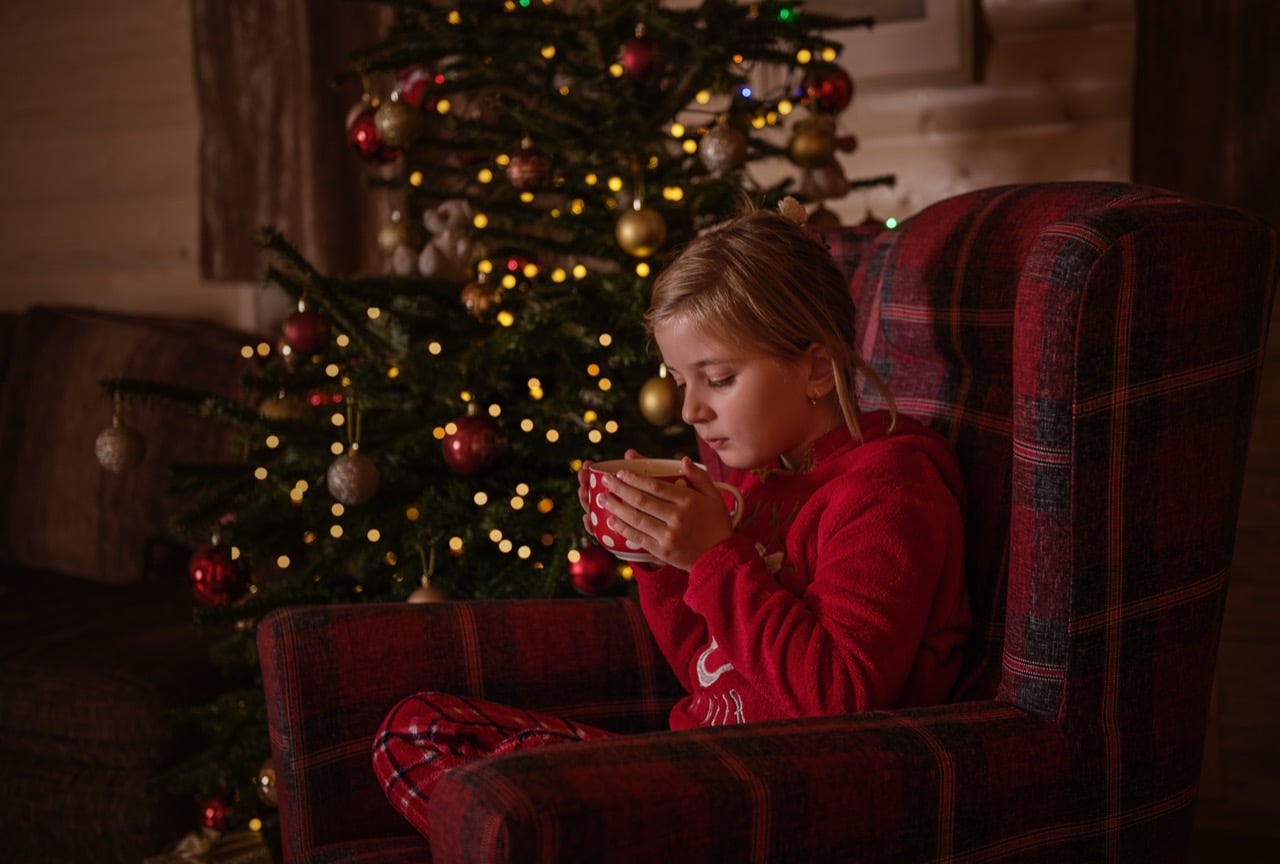

When winter settles in and the nights grow long, people around the world turn to stories, songs, and traditions that bring warmth to the coldest days. The season we often call the holidays is actually a tapestry woven from many different cultures and centuries of celebration. Behind every carol, character, and custom lies a history that is richer and more surprising than it might first appear.
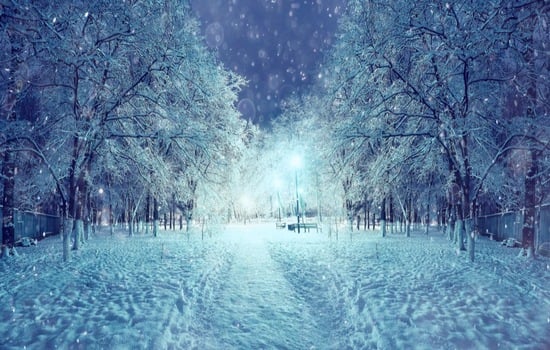
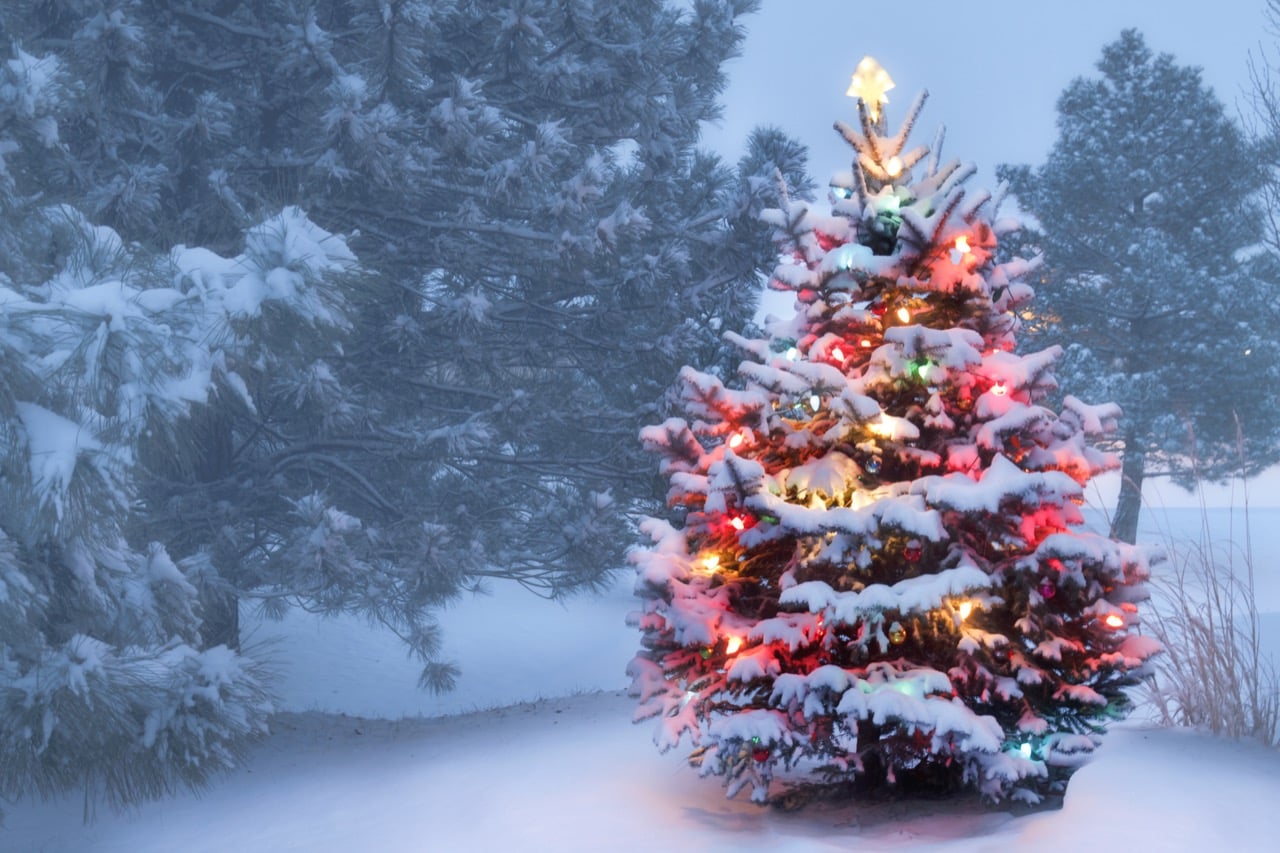
Many familiar winter legends began long before modern holidays existed. Ancient people watched the sun dip lower in the sky and worried it might never return. To push back the darkness, they lit fires, shared feasts, and told hopeful stories. These early midwinter festivals helped shape later traditions like Christmas, Yule, and New Year celebrations. Evergreen branches, candles in windows, and bright decorations all echo that old desire to bring life and light into the darkest time of year.
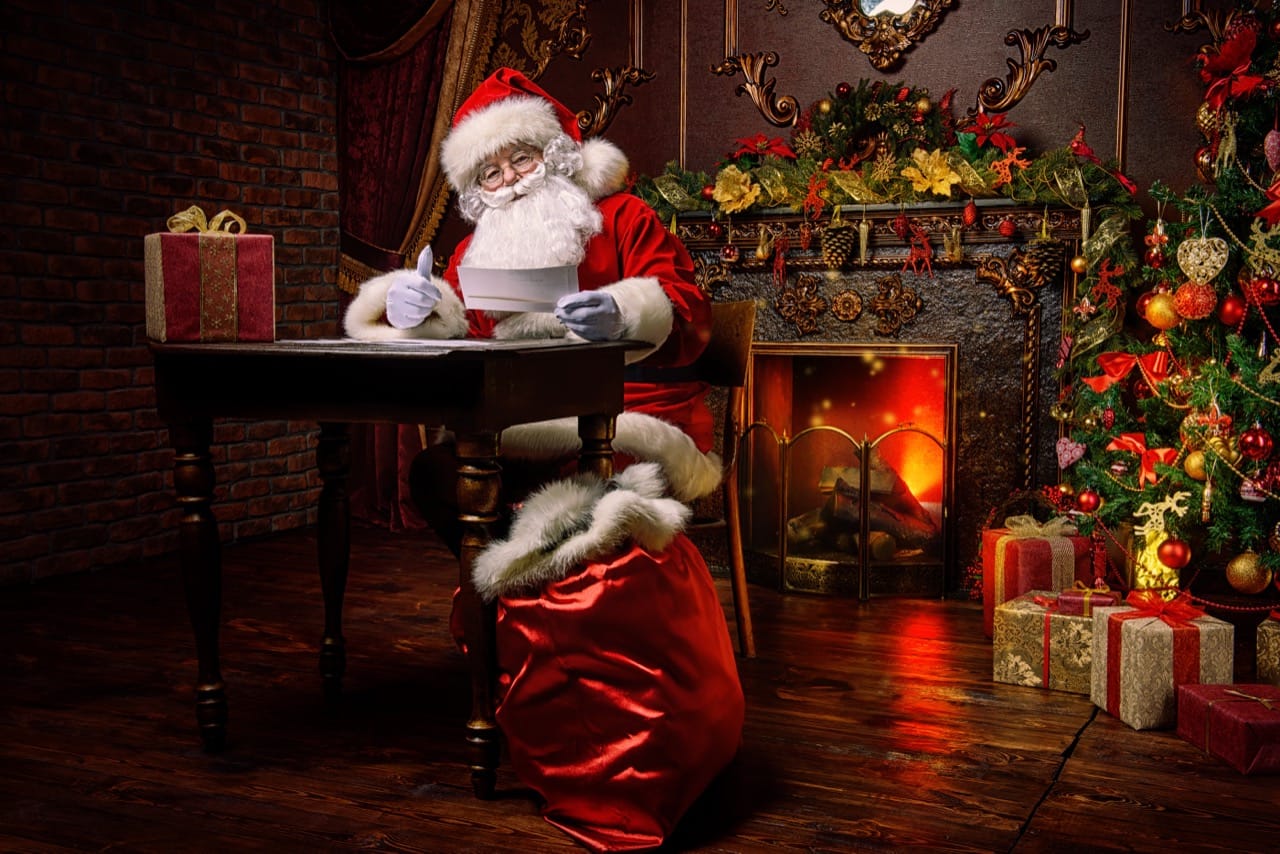
Some of the most beloved figures of the season are actually blends of different stories. The modern image of Santa Claus, for example, draws on the historical Saint Nicholas, a generous bishop known for secret gift giving, as well as on European folklore about winter gift-bringers. Over time, writers, illustrators, and advertisers added details like flying reindeer, a workshop at the North Pole, and a sleigh that travels the world in one night. What began as simple tales of kindness and charity has become a global legend recognized by children in many countries.
Carols and songs also carry traces of the past. Many tunes we now hear in shopping centers and on the radio started as solemn hymns, folk songs, or even dances. As they passed from village to village and later from stage to screen, lyrics changed, languages blended, and new versions appeared. Some songs describe peaceful snowy scenes that rarely match the climate where they are sung, while others celebrate food, family, or the joy of coming home.
Winter stories have found a second home in books and films. Classic tales like those of a miser discovering generosity or a shy reindeer learning to embrace what makes him different are more than simple entertainment. They explore themes of empathy, belonging, and transformation. Animated specials, black-and-white movies, and modern fantasy adventures all draw from older myth and folklore, then reshape it for new generations.
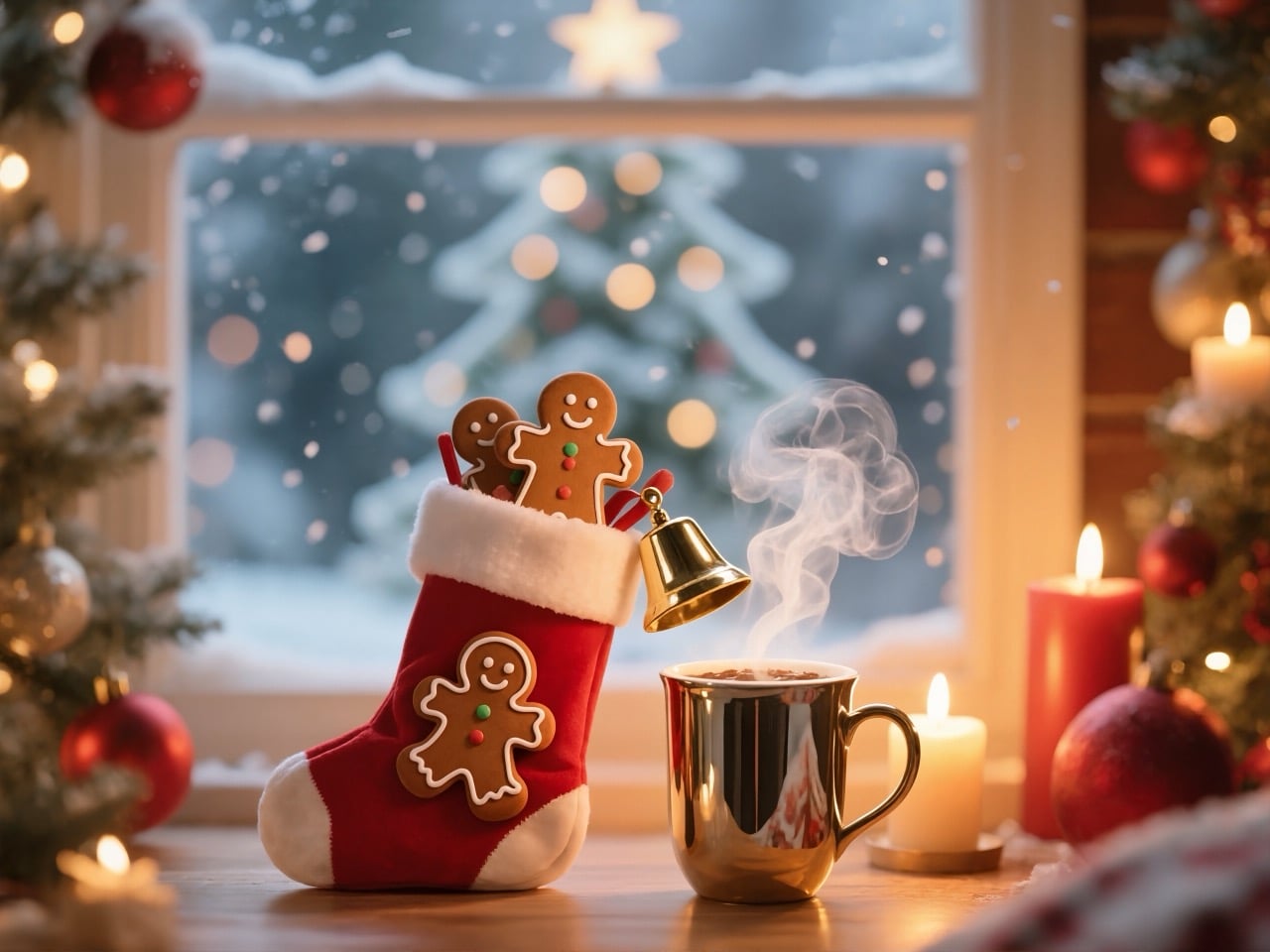
Food traditions add another flavorful layer to yuletide lore. Spiced cookies, rich puddings, roasted meats, and sweet breads often began as festival foods meant to be rare treats in lean times. In some cultures, special dishes are left out for visiting spirits, saints, or mythical guests. In others, families gather to bake and share recipes passed down like heirlooms, turning kitchens into storytelling spaces as memories are retold along with instructions.
Across the globe, people celebrate in diverse ways: from markets filled with crafts and warm drinks, to parades of lanterns, to quiet nights of candlelight and reflection. Yet a common thread runs through these snowlit legends and yuletide customs. They offer comfort in darkness, invite generosity, and remind us that even in the coldest season, community and imagination can make the world feel bright. Behind every twinkling light and familiar song is a story waiting to be discovered.