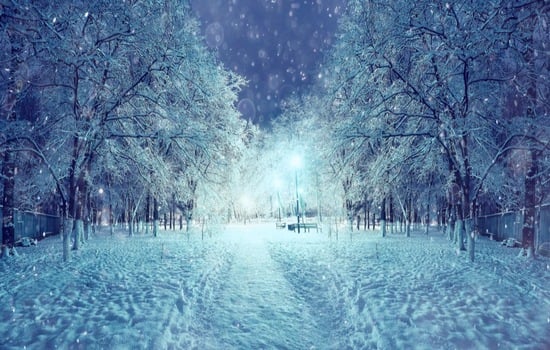





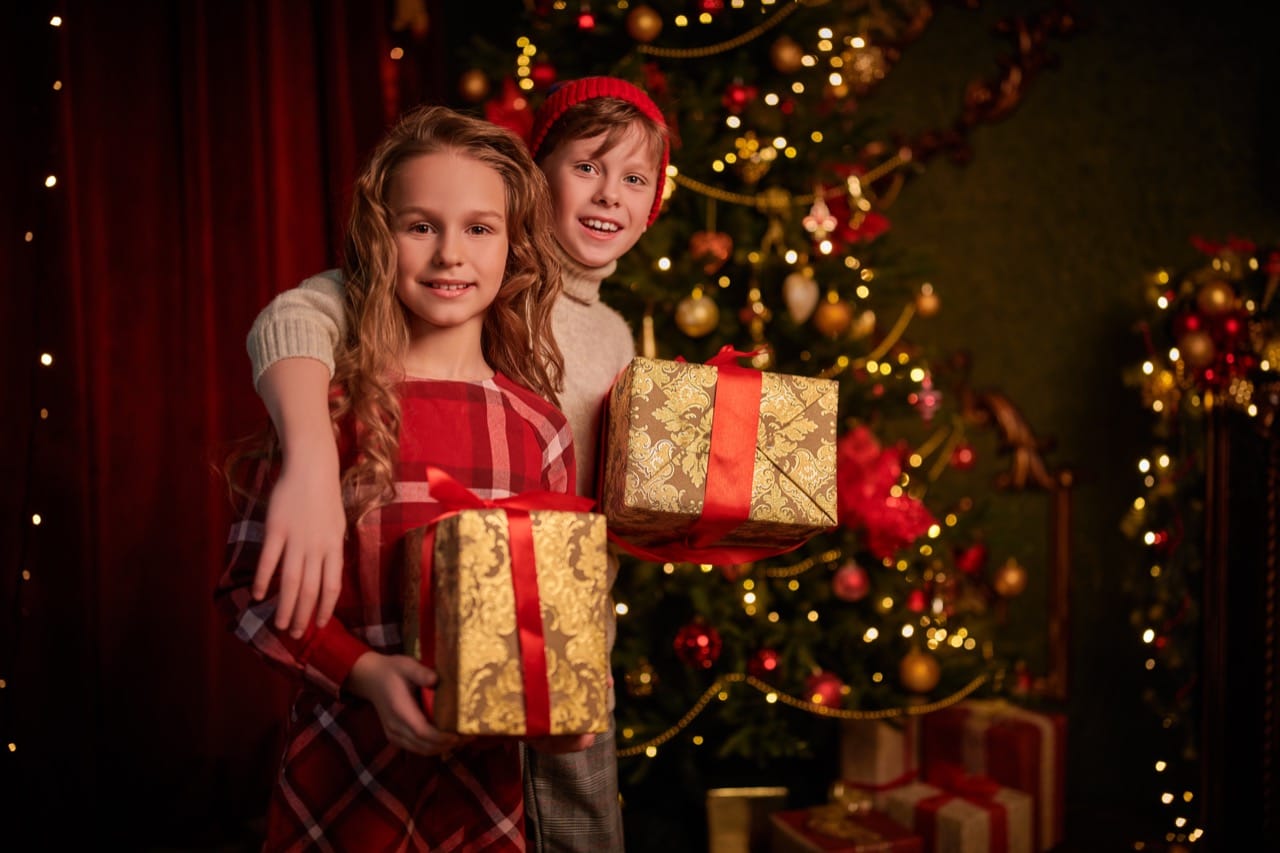




When winter nights grow long and the air turns crisp, people around the world turn to light, music, and story to brighten the dark. The season is filled with twinkling decorations, beloved characters, and comforting foods, but many of these familiar traditions have surprising and sometimes mysterious origins.
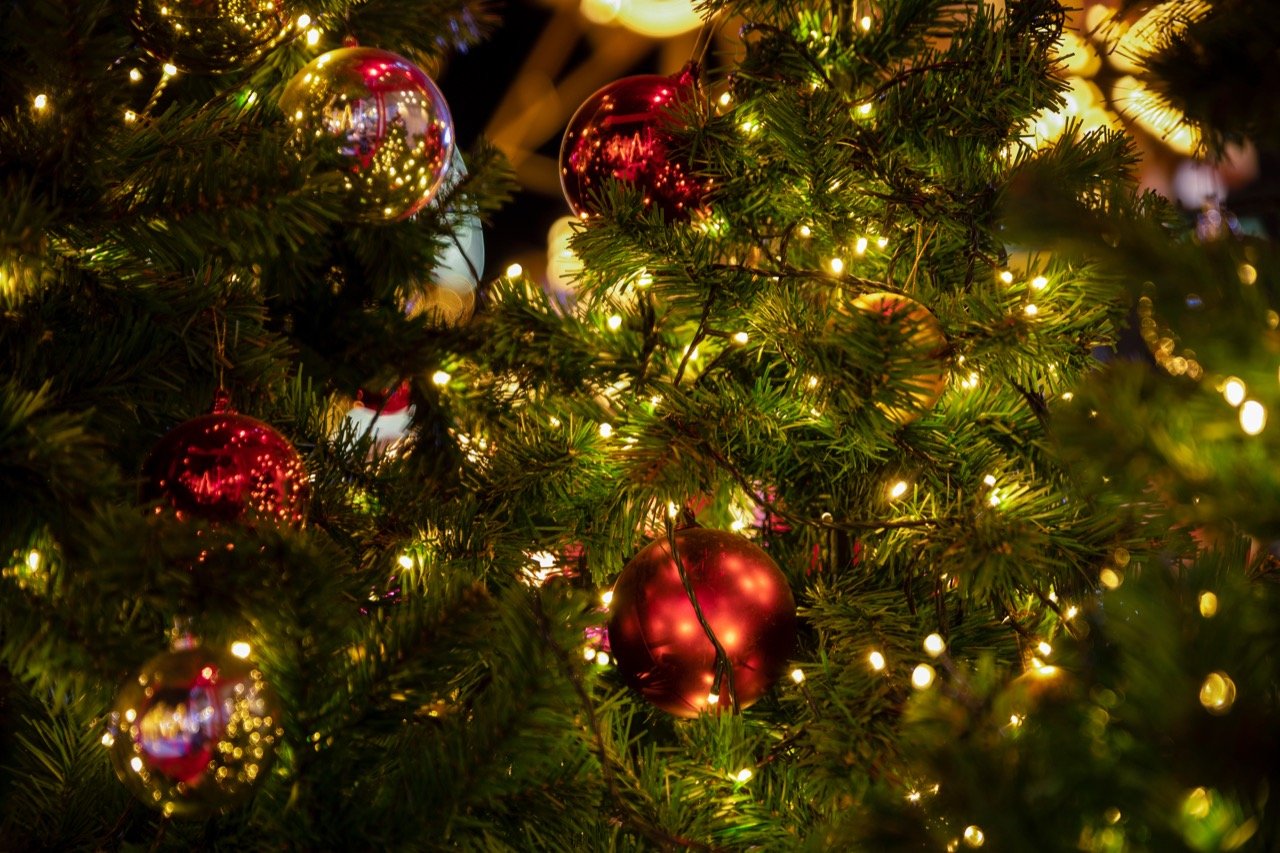
Long before modern holidays took shape, ancient communities marked the winter solstice, the shortest day of the year. Bonfires, evergreen branches, and feasts were common ways to celebrate the return of longer days and to symbolize life enduring through the cold. The use of evergreen trees and wreaths, now closely linked with Christmas in many countries, can be traced back to these early customs, where green branches represented hope and resilience.
Lights are another powerful symbol of the season. In many cultures, candles and lanterns are used to push back the darkness. String lights on homes and trees echo this idea in a modern way. The Jewish festival of Hanukkah, for example, centers on the lighting of the menorah to remember a miracle of light that lasted longer than expected. In other places, such as parts of Scandinavia, Saint Lucias Day processions feature children wearing white robes and carrying candles to welcome the light into the deep winter.
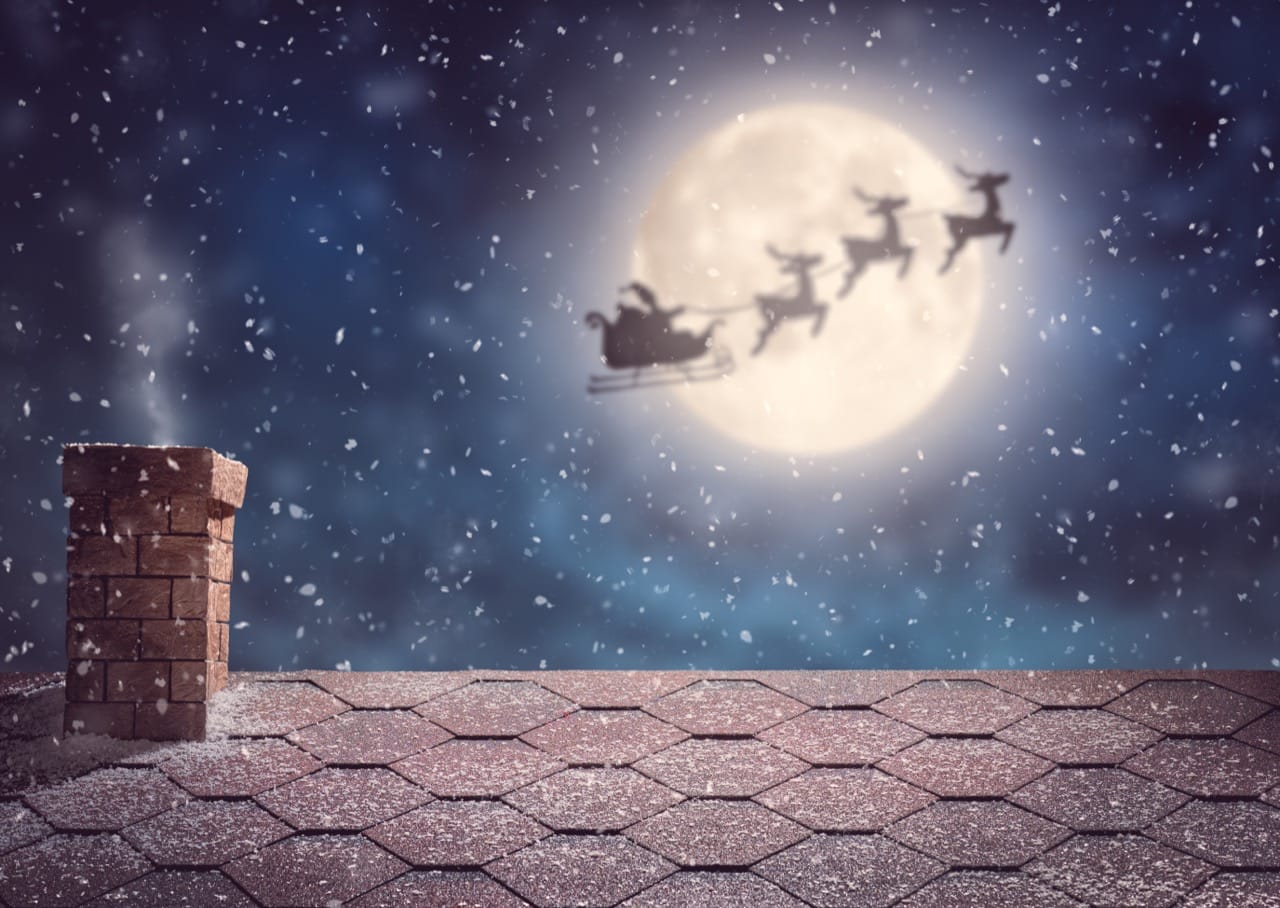
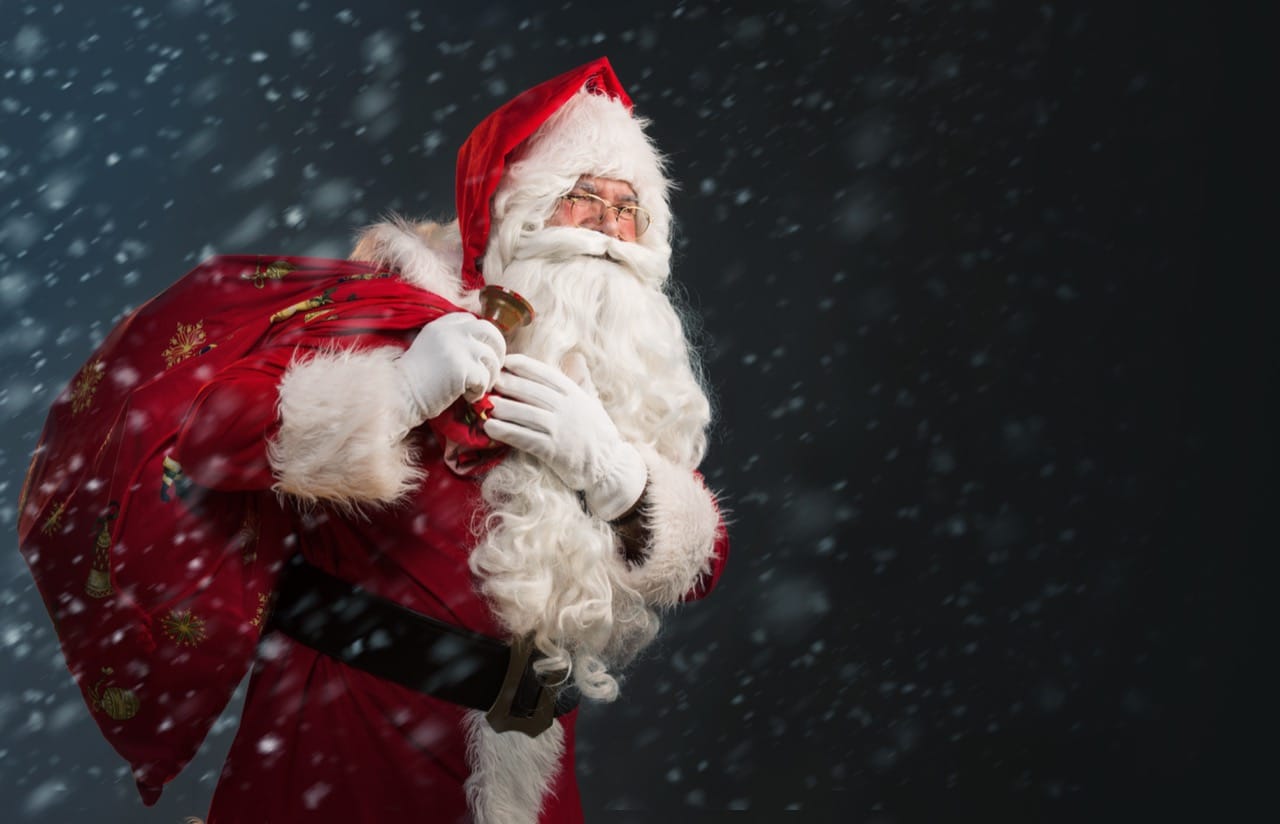
Stories and legendary figures also play a starring role in festive celebrations. The modern image of Santa Claus blends several influences, including Saint Nicholas, a generous bishop from ancient times, and various European gift bringers who visited children during winter. In some countries, Santa is joined or even replaced by other characters, such as the wise figures of the Three Kings in Spain or the kindly Grandfather Frost in parts of Eastern Europe. Each character reflects local values, fears, and hopes, showing how storytelling adapts to different cultures while keeping a similar spirit of generosity.
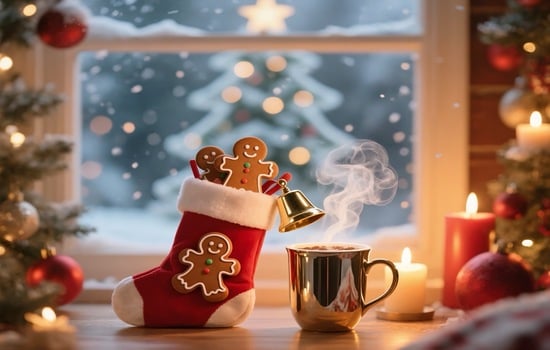
Food traditions are just as rich with history. Seasonal treats often grew out of practical needs, such as preserving fruits and spices for the cold months, and later became symbols of celebration. Gingerbread, fruitcakes, and spiced drinks were once luxuries that signaled a special time of year. Today they are comforting reminders of family gatherings, bustling markets, and shared memories.
Music and movies have added a modern layer to winter lore. Classic carols, once sung door to door or in small village churches, now travel instantly around the world. Popular holiday films and songs create new traditions, turning fictional stories into shared cultural touchstones. A character from a movie or a catchy tune can quickly become as beloved as any centuries old legend.
Across all these customs runs a common thread: the desire to connect. Whether through exchanging gifts, lighting candles, sharing a meal, or telling stories by a cozy fire, people use midwinter celebrations to feel closer to one another. The details may vary from place to place, but the sense of wonder, warmth, and renewal is universal. By exploring the tales behind familiar decorations, songs, and rituals, we uncover deeper roots and delightful twists that make the season even more meaningful.