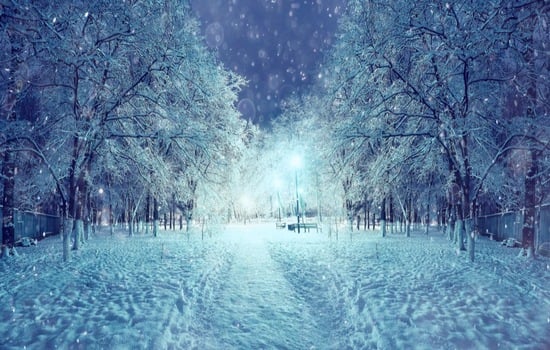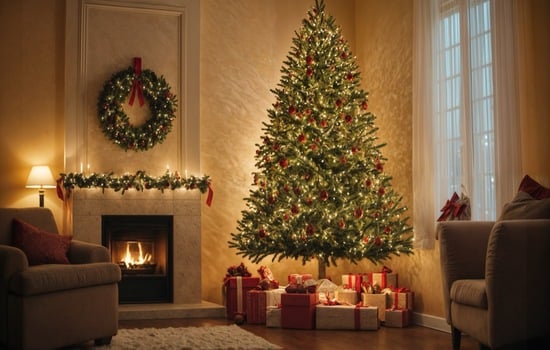




Every year, when late December arrives, the world seems to glow a little brighter. Candles appear in windows, strings of lights outline rooftops, and familiar songs drift from radios and shop speakers. Behind all this sparkle lies a long history of winter celebrations, shaped by many cultures, beliefs, and clever ideas for bringing warmth to the darkest time of the year.
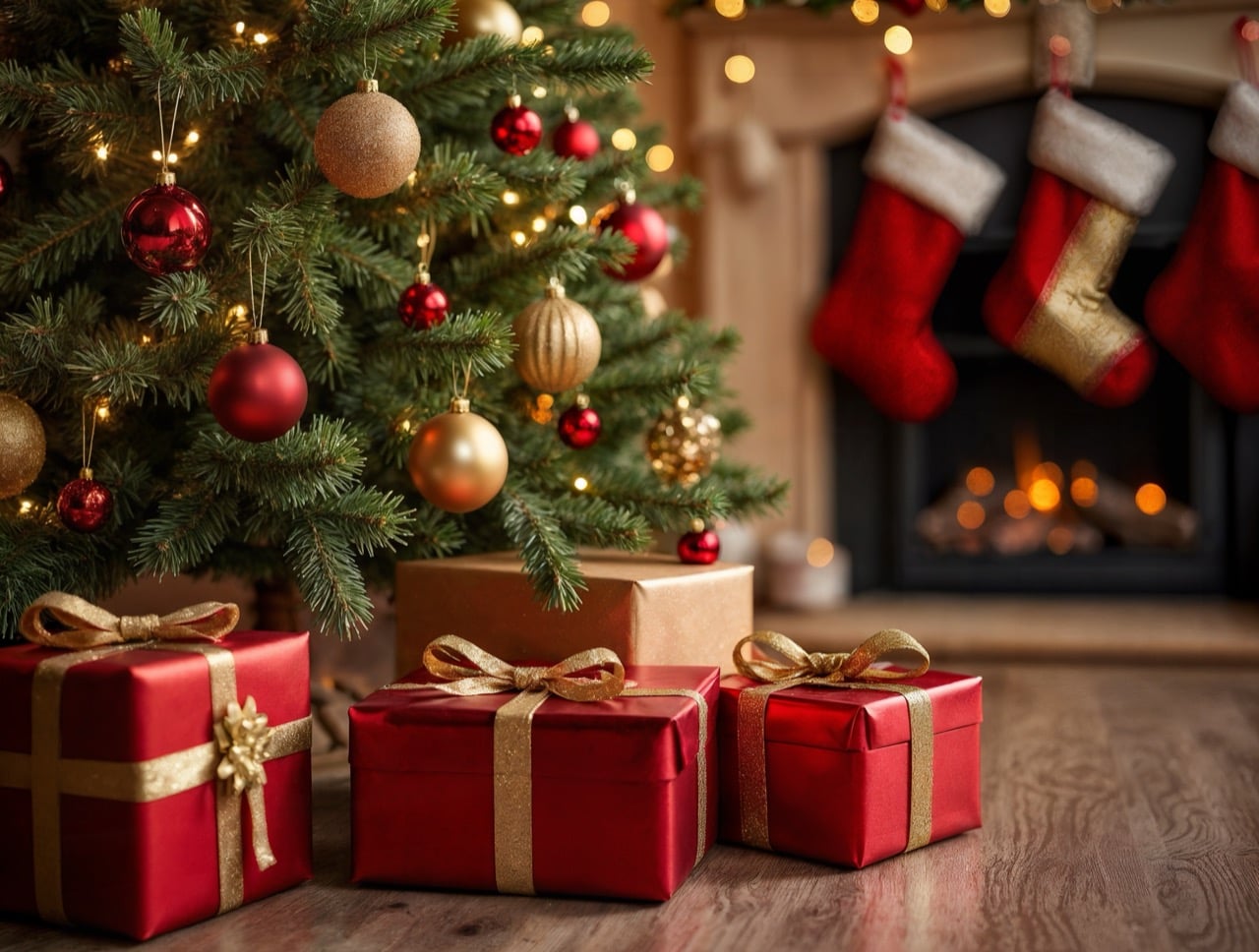
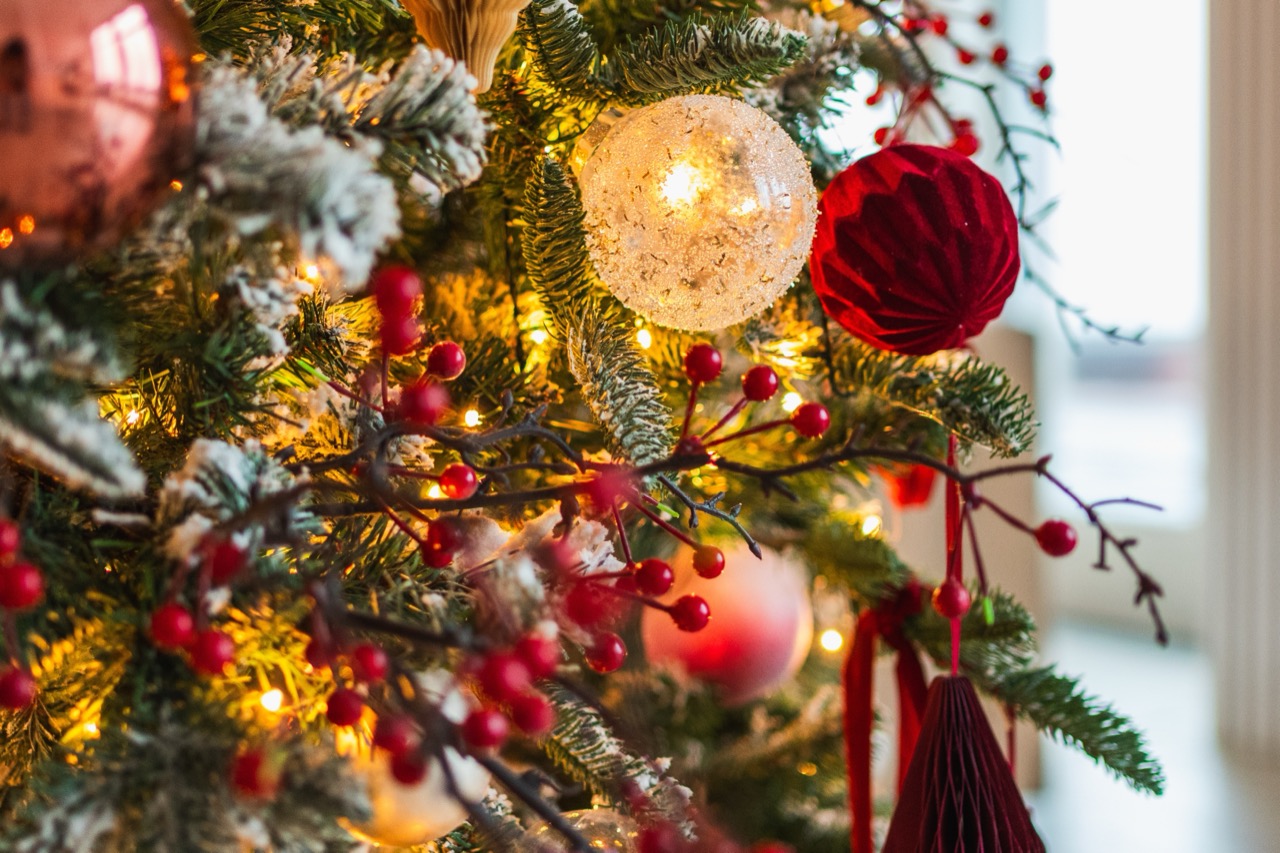
Long before modern holidays took shape, ancient peoples marked the winter solstice, the shortest day and longest night. In parts of Europe, midwinter meant feasts, fires, and evergreen decorations. Evergreen plants, which stayed green when everything else looked dead, symbolized life and hope. That is one reason we still bring trees, wreaths, and garlands indoors. Over time, these natural symbols blended with religious customs and local legends, creating the familiar holiday scenes we know today.
Candles and lights play a central role in many late December traditions. For some, they represent spiritual light or miracles; for others, they simply push back the literal darkness. In earlier centuries, people lit candles on tree branches, a practice that sounds dangerous today but was deeply meaningful at the time. As technology improved, candles gave way to electric lights, and simple strings of bulbs grew into elaborate displays that cover entire houses and city streets.
Music is another key part of the season. Many carols began as simple folk songs or church hymns and then traveled across borders and languages. Some were written to teach religious stories, while others celebrated feasting, snow, or community. Over the last century, popular music added its own layer, giving us catchy tunes about reindeer, sleigh rides, and dreaming of snow. These songs may feel timeless, but many are younger than your grandparents.
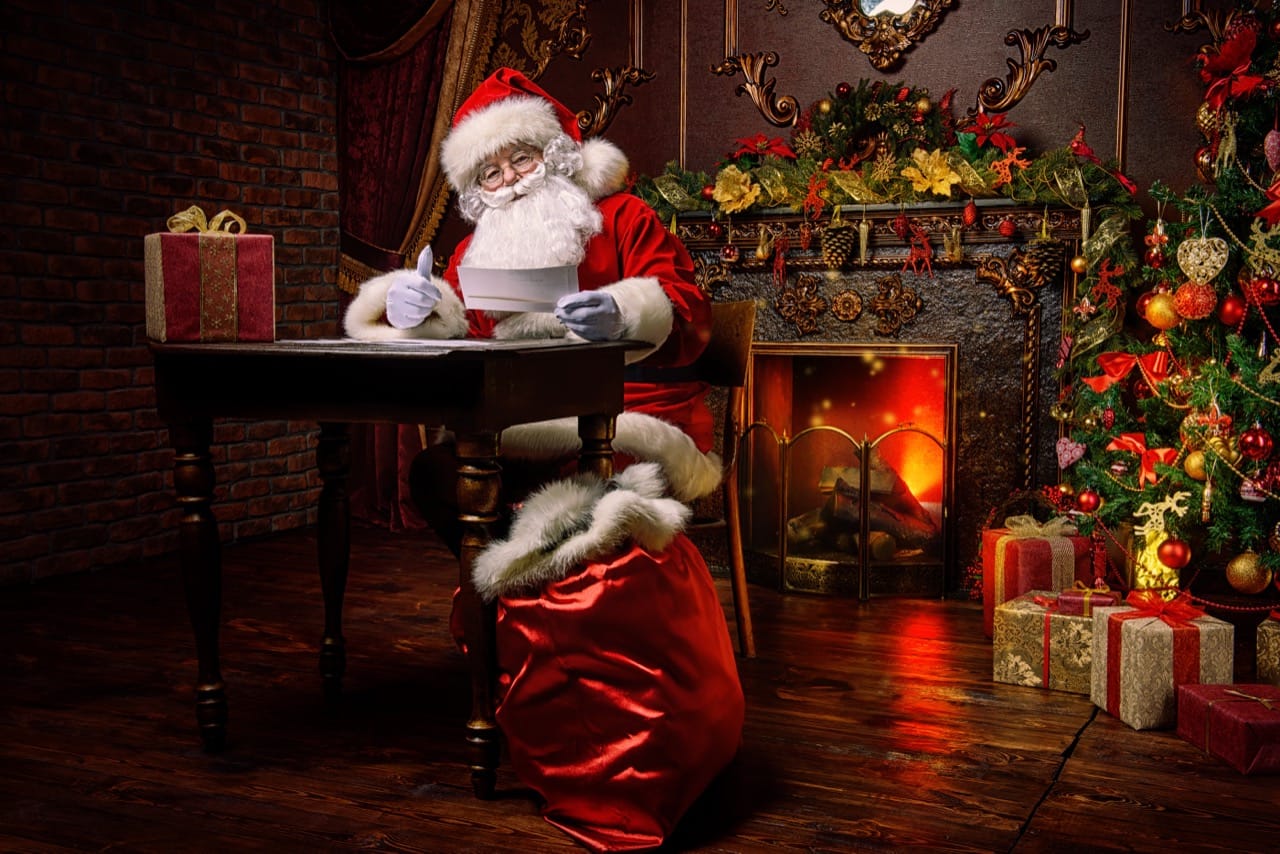
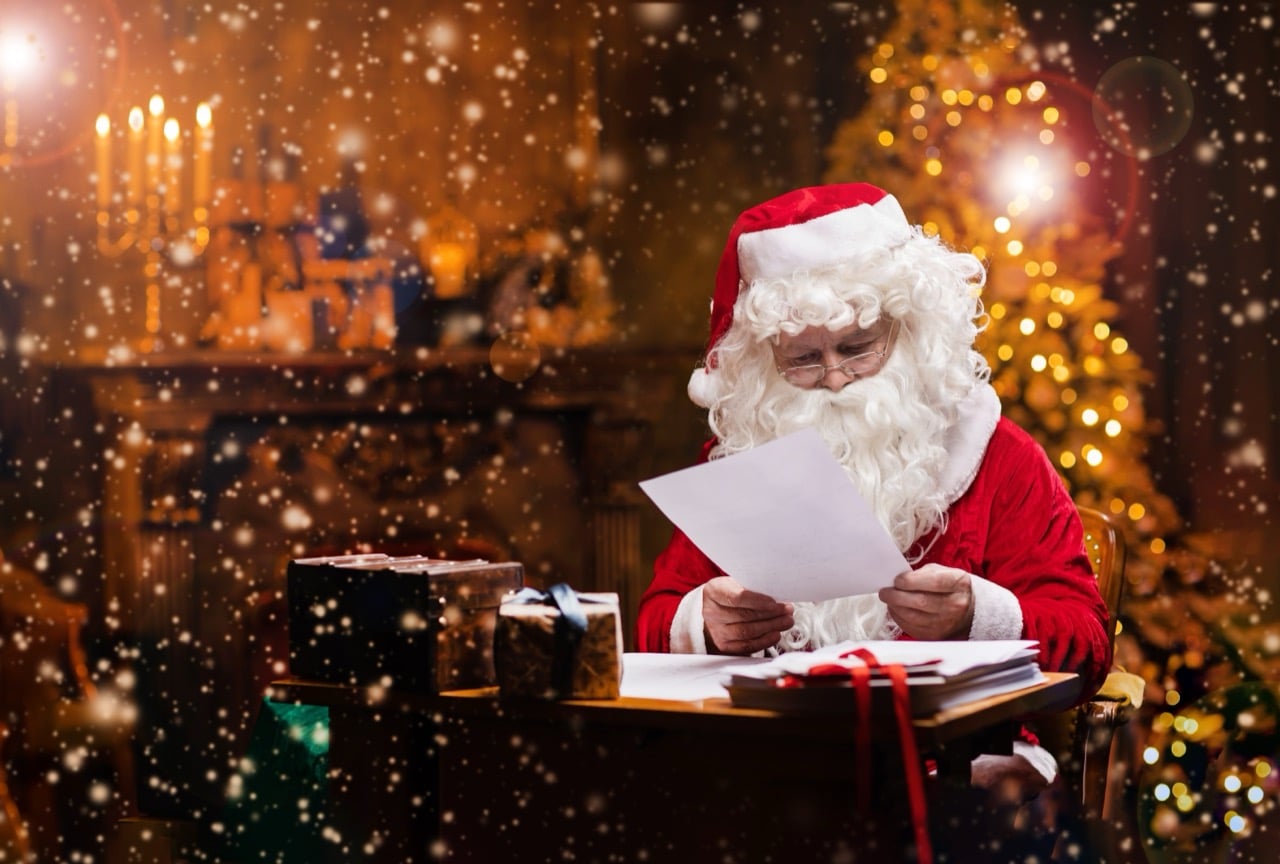
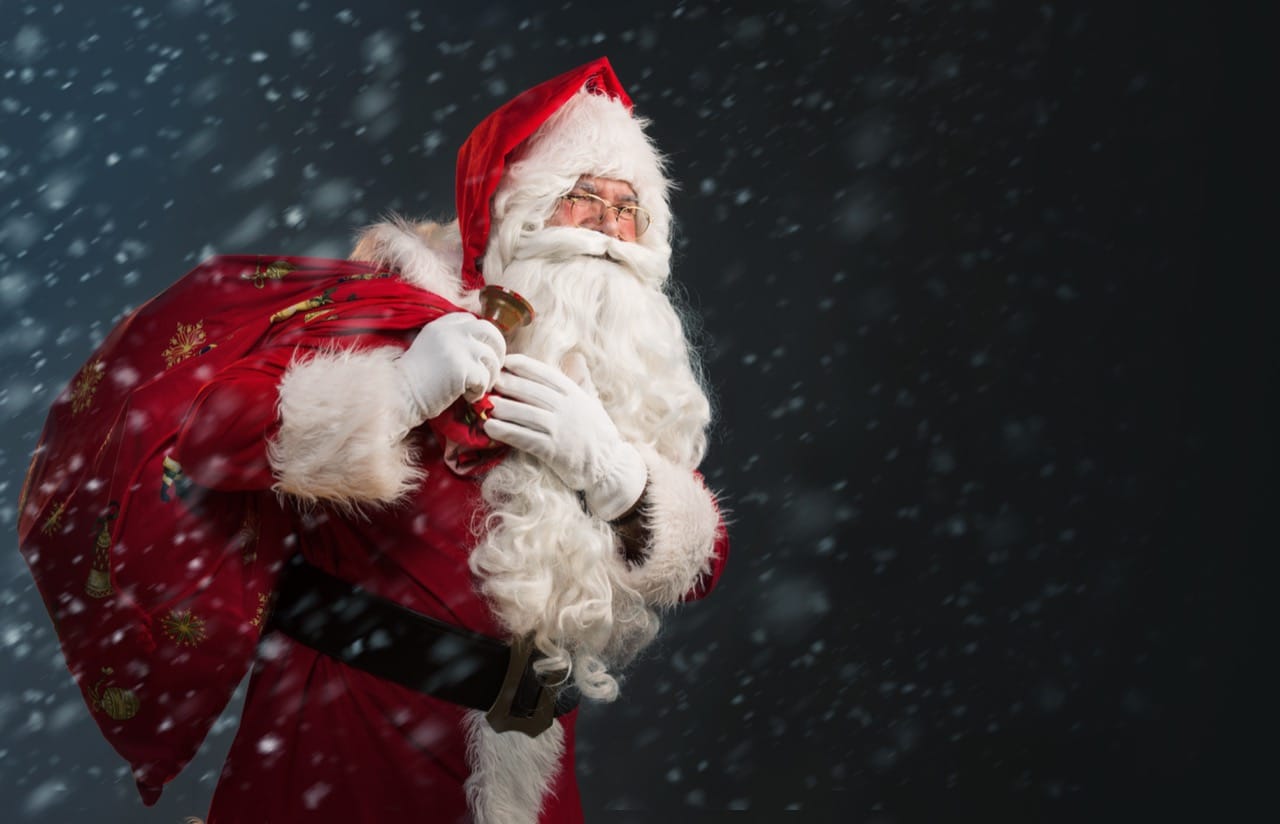
The characters of the season have also changed over time. A gift bringer who rewards good behavior appears in many cultures, sometimes as a kindly saint, sometimes as a mysterious traveler, and sometimes with a mischievous or frightening companion. The modern image of a jolly figure in a red suit was shaped by poems, illustrations, and advertising in the 19th and 20th centuries. Meanwhile, other regions maintain their own figures, from straw goats to holiday witches, each with its own story and set of customs.
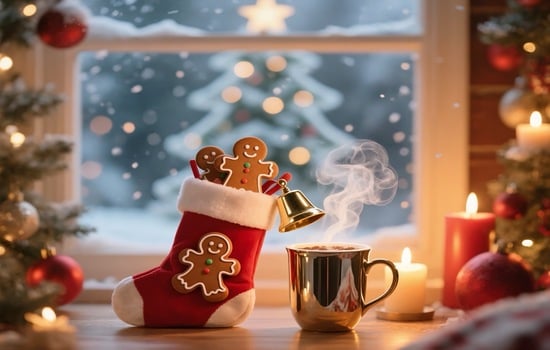
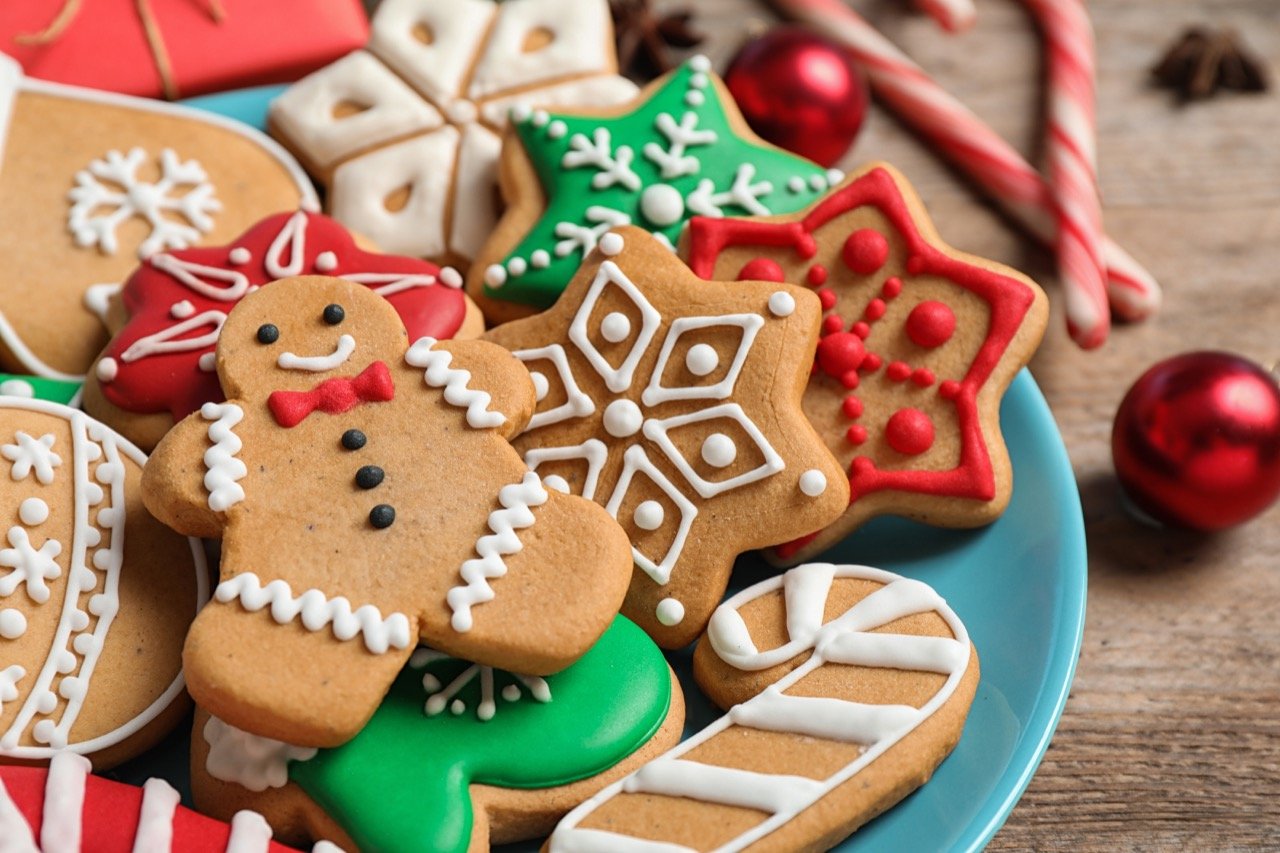
Food traditions are just as varied and surprising. Special breads, cakes, and drinks often began as rare treats made with expensive ingredients like sugar, spices, or preserved fruits. Serving them in winter turned an otherwise harsh season into a time of comfort and celebration. Today, some families bake recipes passed down for generations, while others experiment with new twists on old favorites.
Around the world, communities have put their own stamp on late December. Some celebrate with parades and fireworks, others with quiet candlelit services or nighttime markets. There are record breaking trees, enormous lantern festivals, and curious local rituals that might seem strange to outsiders but feel essential to those who grew up with them.
When you explore the facts behind these traditions, you discover that the season is really a patchwork of stories. Each song, symbol, and custom carries a little history, a little imagination, and a lot of human desire for light, warmth, and connection. Learning these snowlight secrets turns familiar decorations into conversation starters and makes every gathering an opportunity to share a new tale.