






Holiday traditions may feel timeless, but many of the customs we enjoy today are the result of centuries of change, blending ancient rituals, religious observances, and modern pop culture. When you look closely, the season is like a snowglobe full of swirling stories, where Roman feasts bump into Victorian customs and advertising icons.
One of the earliest influences on modern December celebrations is Saturnalia, an ancient Roman festival honoring the god Saturn. Held in mid December, Saturnalia was a time of feasting, gift giving, and role reversals, when social rules were relaxed and people decorated their homes with greenery. While it was very different from today’s holidays, the spirit of merriment, exchanging presents, and gathering with friends echoes in many modern festivities.
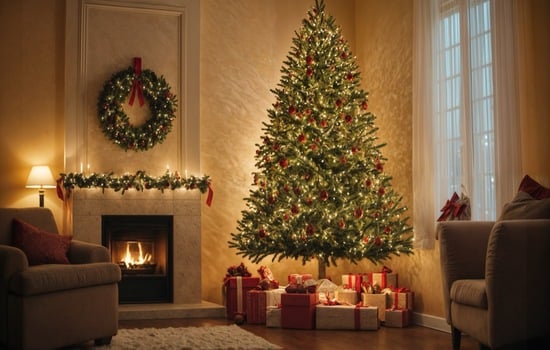
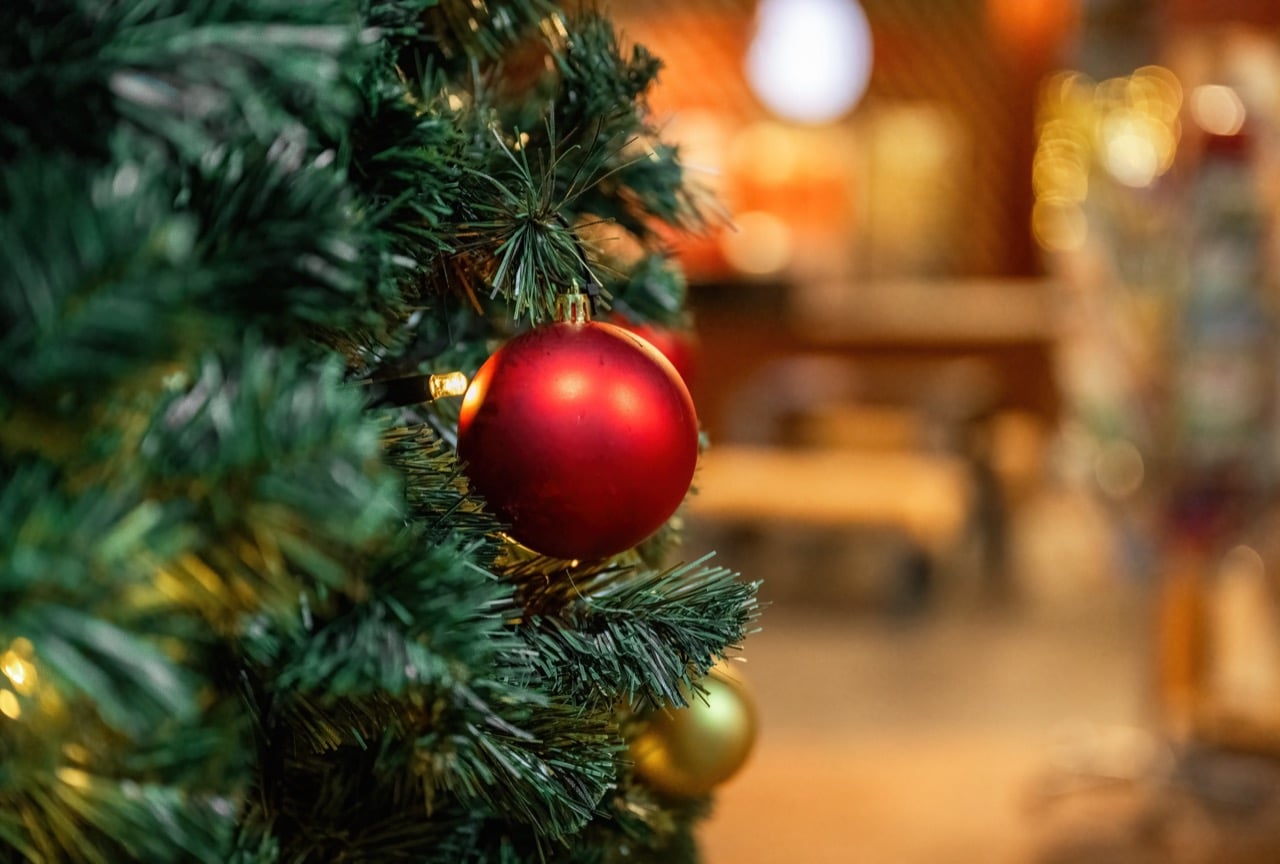
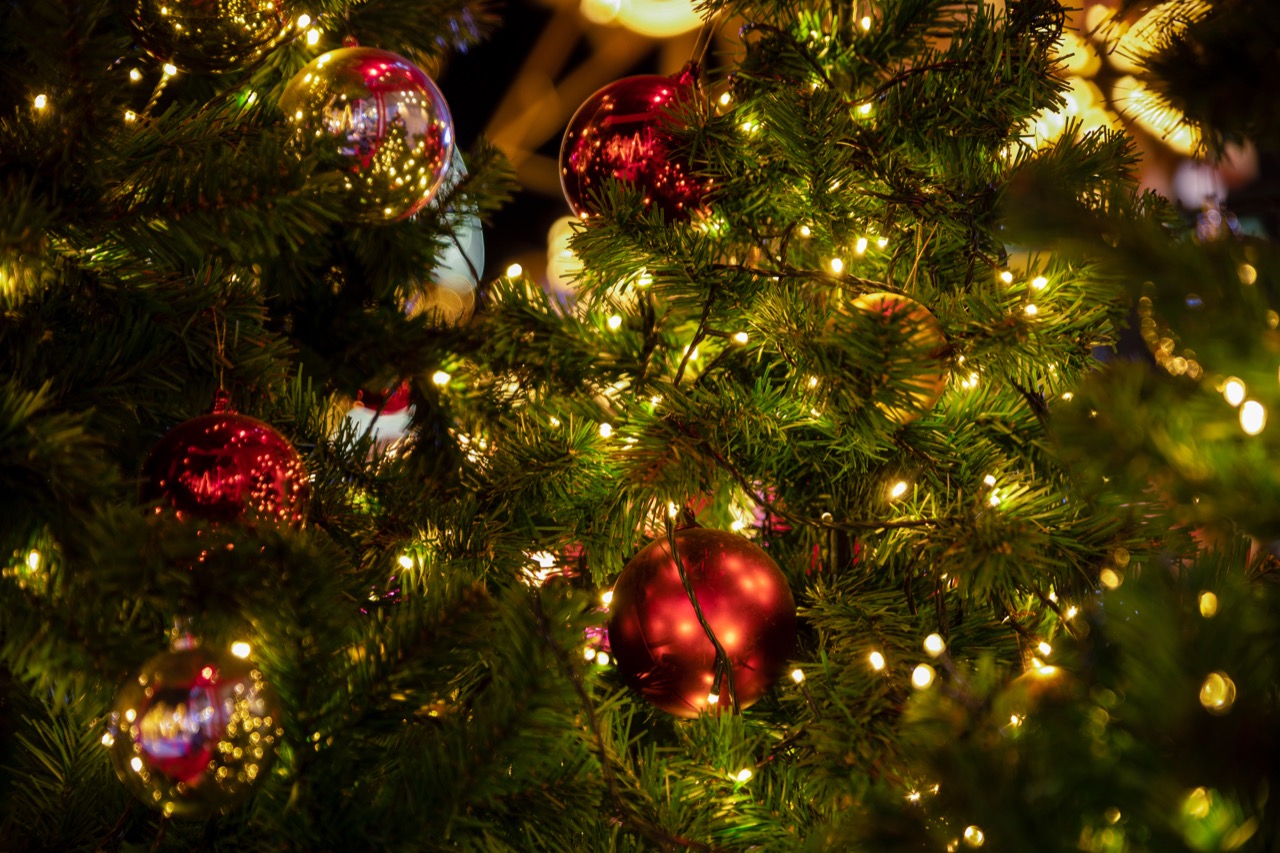
Over time, Christian celebrations of the birth of Jesus absorbed and reshaped some of these seasonal customs. As Christianity spread through Europe, local winter traditions were woven into religious observances. Evergreen trees, holly, and mistletoe symbolized life and hope in the darkest part of the year, long before electric lights and shiny ornaments appeared. Later, families began bringing trees indoors and decorating them, turning a symbol of endurance into the centerpiece of many living rooms.
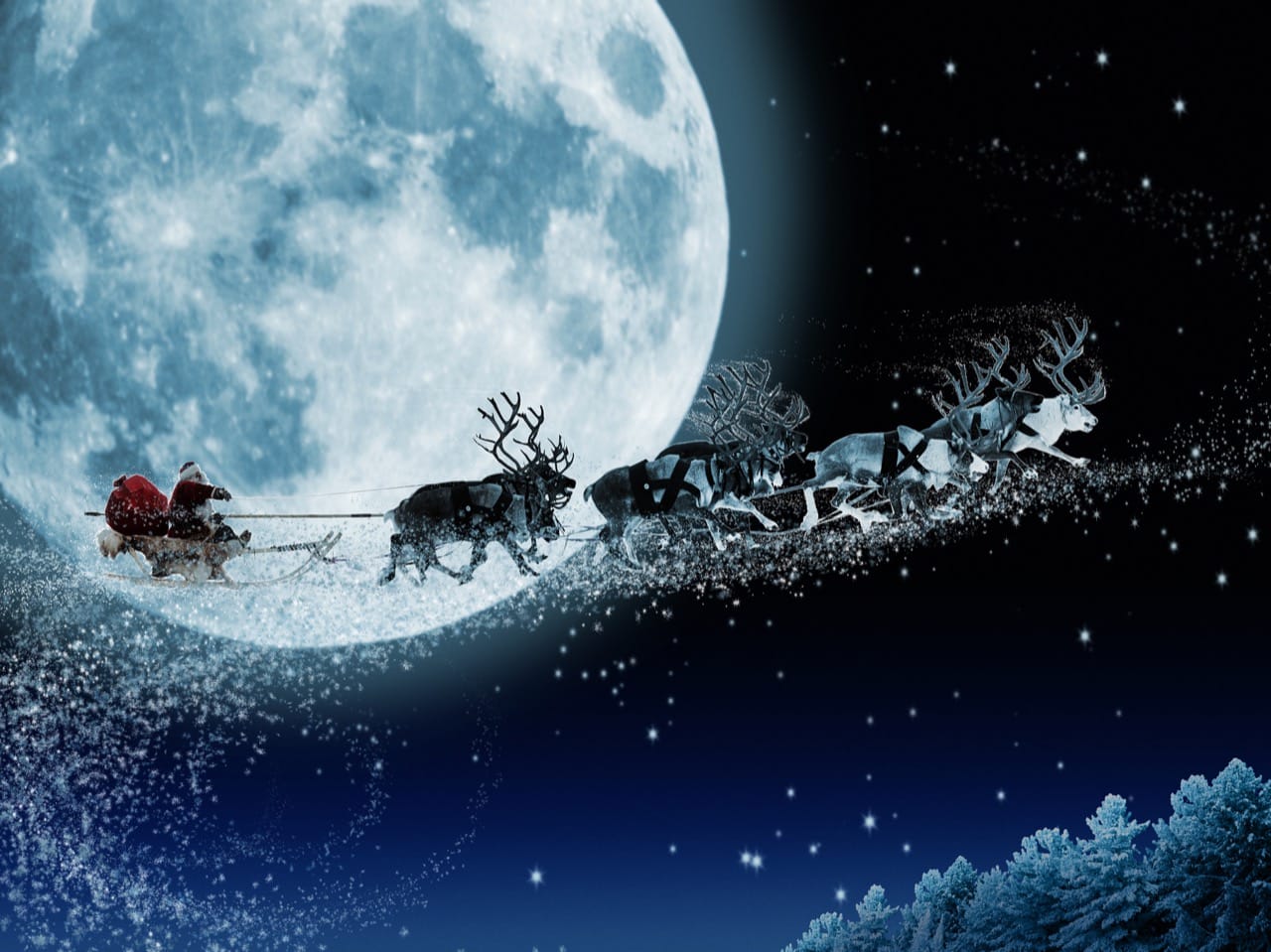
The figure of the red suited gift giver is another example of tradition evolving over centuries. The story of Saint Nicholas, a fourth century bishop known for secret generosity, inspired legends across Europe. In some places he traveled with helpers, in others he arrived on different dates, and his appearance varied widely. In the nineteenth and twentieth centuries, poems, illustrations, and finally global advertising helped shape the now familiar image of a jolly, round bellied Santa Claus in a bright red suit who flies through the sky on Christmas Eve.
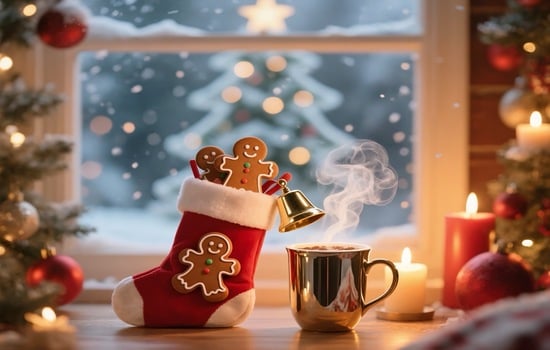
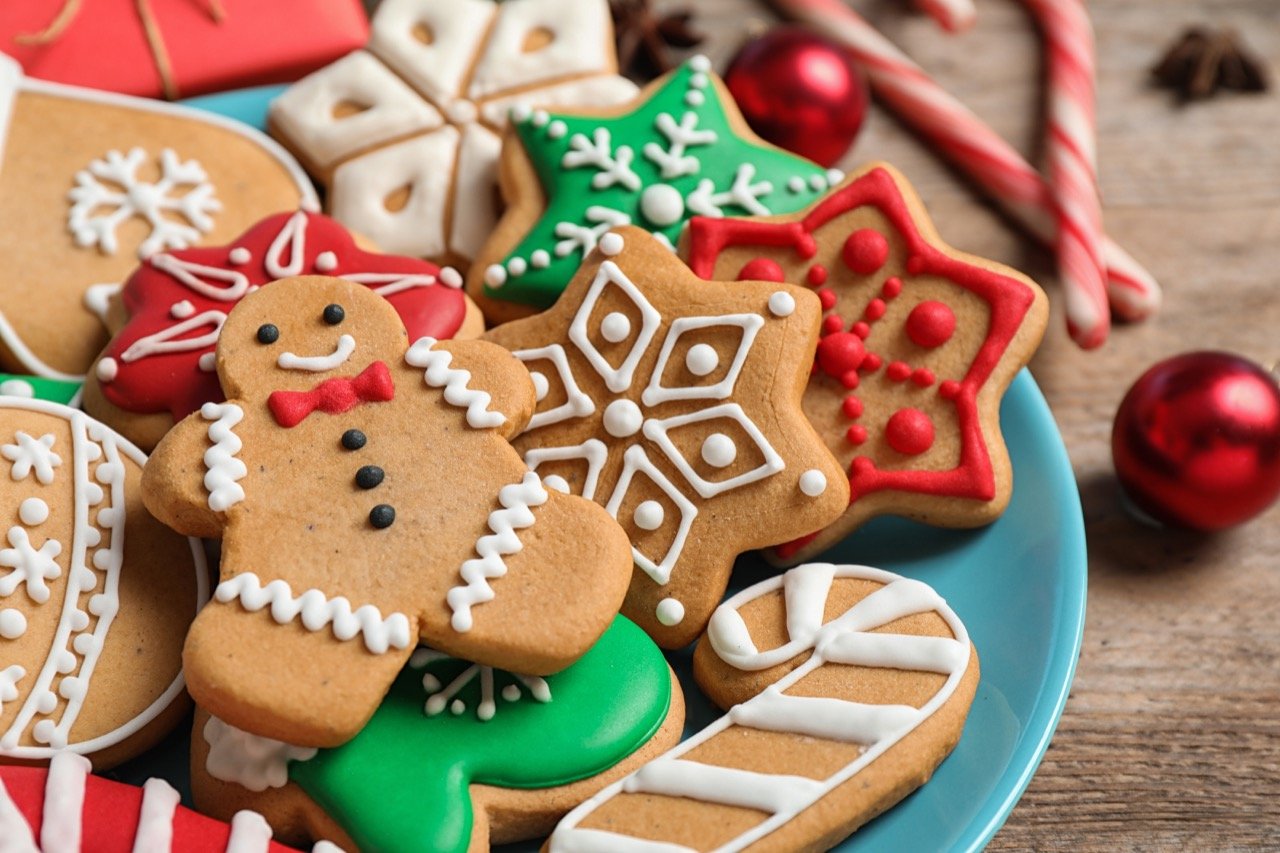
Holiday foods also carry long histories. Spiced treats and rich desserts were once rare luxuries, saved for special occasions when people could afford sugar, nuts, and imported spices. Dishes like fruitcake, gingerbread, and roast meats signaled abundance at a time of year when fresh produce was scarce. Today, cookies shaped like stars, trees, and snowflakes decorate tables, and each family often has its own recipes and rituals around baking and sharing.
Music has become a powerful way to mark the season. Carols began as communal songs, sometimes adapted from folk tunes, and were sung in streets and churches. In the twentieth century, radio and recordings turned holiday music into a global soundtrack. Some songs celebrate religious themes, while others simply describe snow, romance, or the joy of gathering together. A few have become so familiar that people can sing them from memory without ever thinking about when or why they were written.
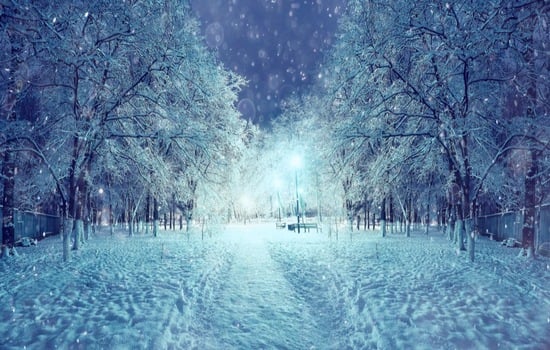
Even the wintry weather has its own science and lore. Snowflakes form when water vapor freezes around tiny particles in the air, creating crystals that grow into intricate shapes. The classic claim that no two snowflakes are exactly alike comes from the almost endless ways temperature and humidity can vary as they fall. Northern cultures, living closely with long winters, built stories, festivals, and practical skills around snow and ice, from sledding and skating to lighting candles against the dark.
Taken together, these elements show that our festive season is not a single tradition but a collection of overlapping stories. Ancient Roman revelers, medieval carolers, Victorian families by candlelit trees, and modern shoppers under neon lights are all part of the same long narrative. When you explore the history behind the carols you sing, the cookies you bake, and the characters you recognize in shop windows, you discover that the holiday season is more than a date on the calendar. It is a living tapestry of customs that continues to change, inviting each generation to add its own layer of meaning and memory.