


Across the globe, the closing weeks of the year are filled with light, color, and a sense of anticipation. Snow may fall in some places, while others bask in sunshine, yet many cultures share the desire to gather, give thanks, and celebrate. Snowfall Stories: A Global Yuletide Challenge invites you to explore how people everywhere mark this season in their own distinctive ways.
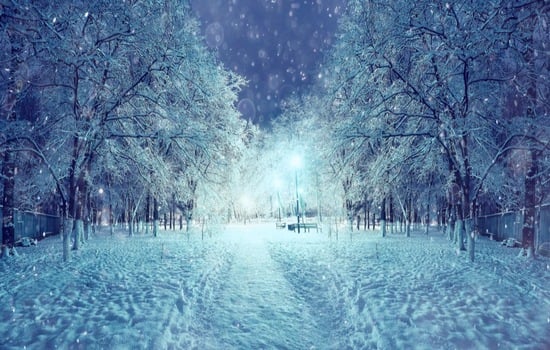
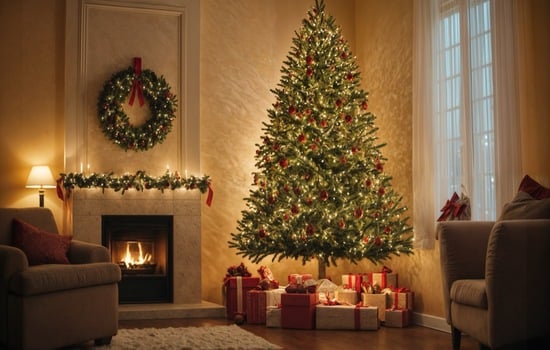
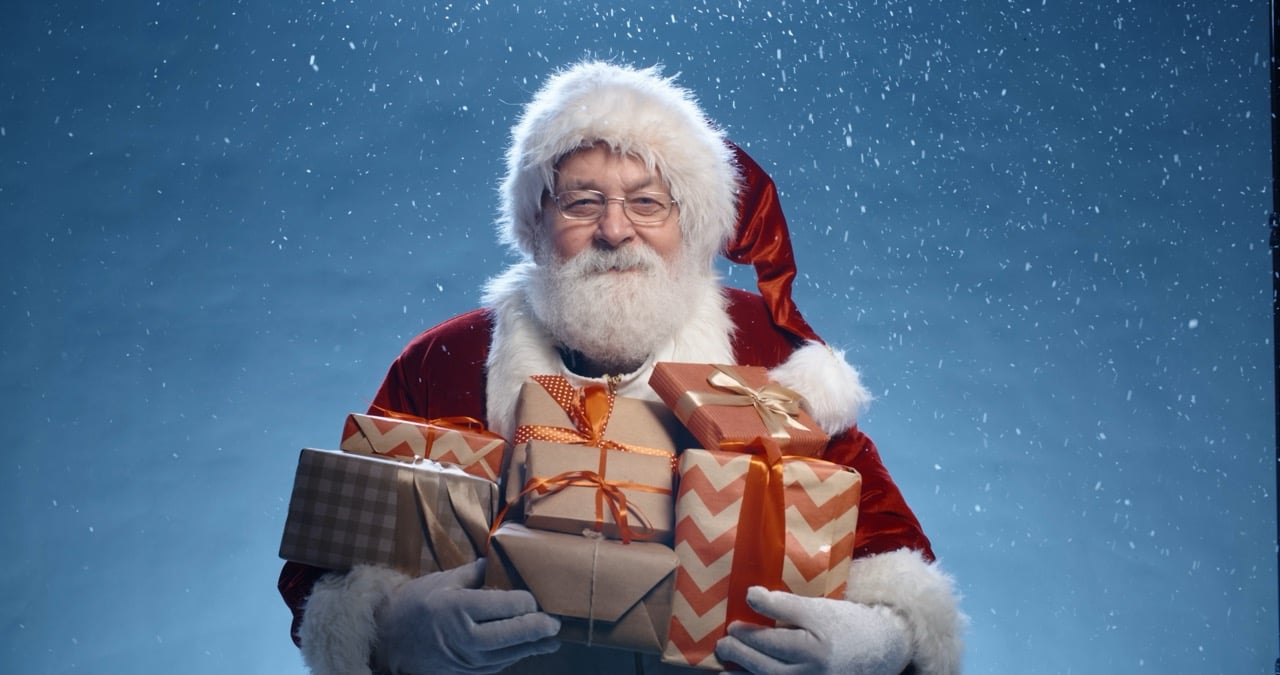
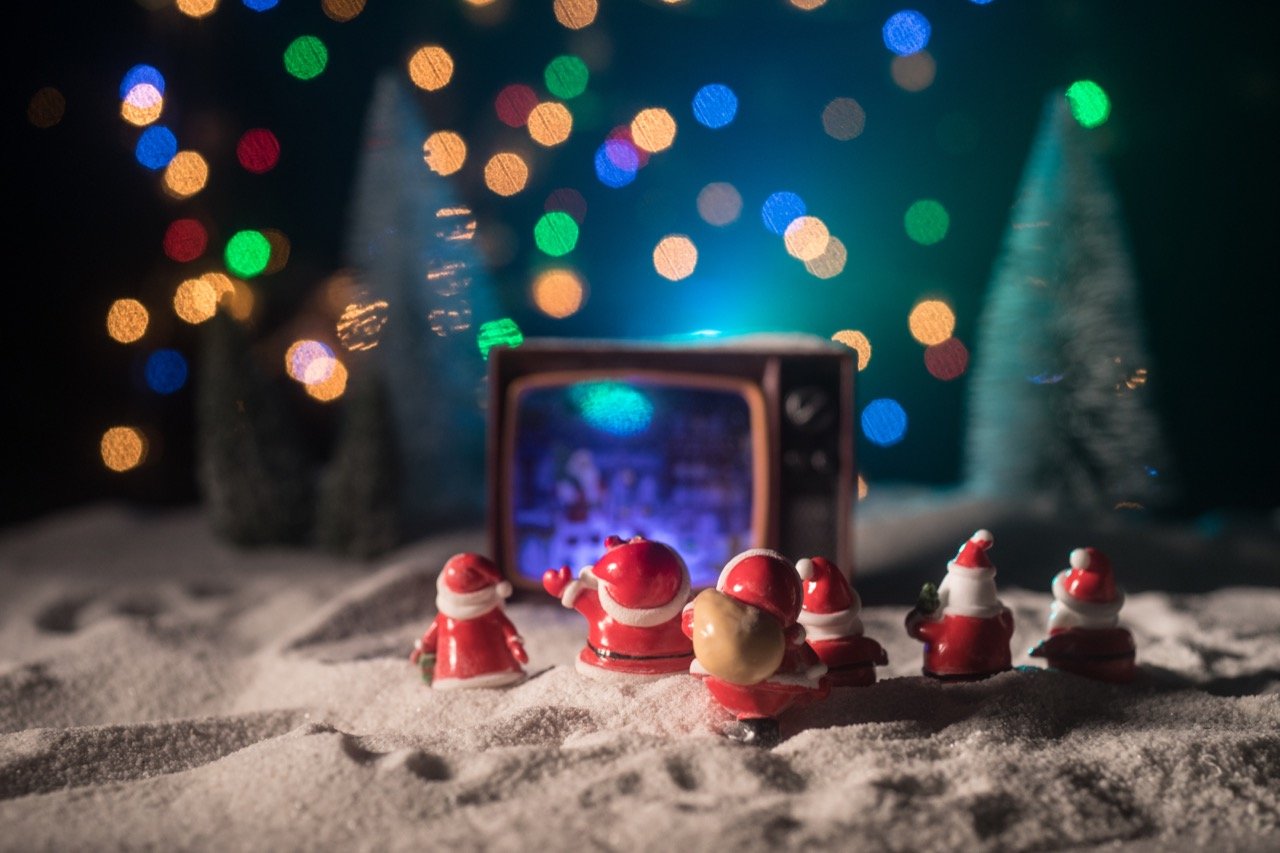
In much of Europe and North America, the image of winter holidays often includes evergreen trees, snow covered streets, and the familiar figure of Santa Claus. Children hang stockings, families decorate trees with ornaments and strings of lights, and neighborhoods glow with illuminated displays. But even within this broad tradition, there are fascinating variations. In parts of Germany and Austria, for example, St. Nicholas arrives earlier in December, sometimes accompanied by a darker figure who reminds children to behave. In Italy, a kindly witch named La Befana is said to fly on her broom to deliver gifts in early January.
Far from the snowy landscapes, celebrations in warmer climates show that winter spirit does not depend on cold weather. In the Philippines, star shaped lanterns called parols shine above streets and doorways, symbolizing hope and guidance. Festivities can last for weeks, with music, processions, and family gatherings. In Australia and other parts of the Southern Hemisphere, the holidays fall in the middle of summer. People might head to the beach, host outdoor barbecues, or decorate palm trees instead of pines, blending traditional symbols with a sunny twist.
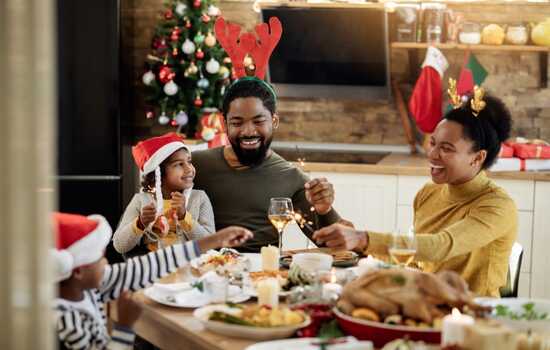
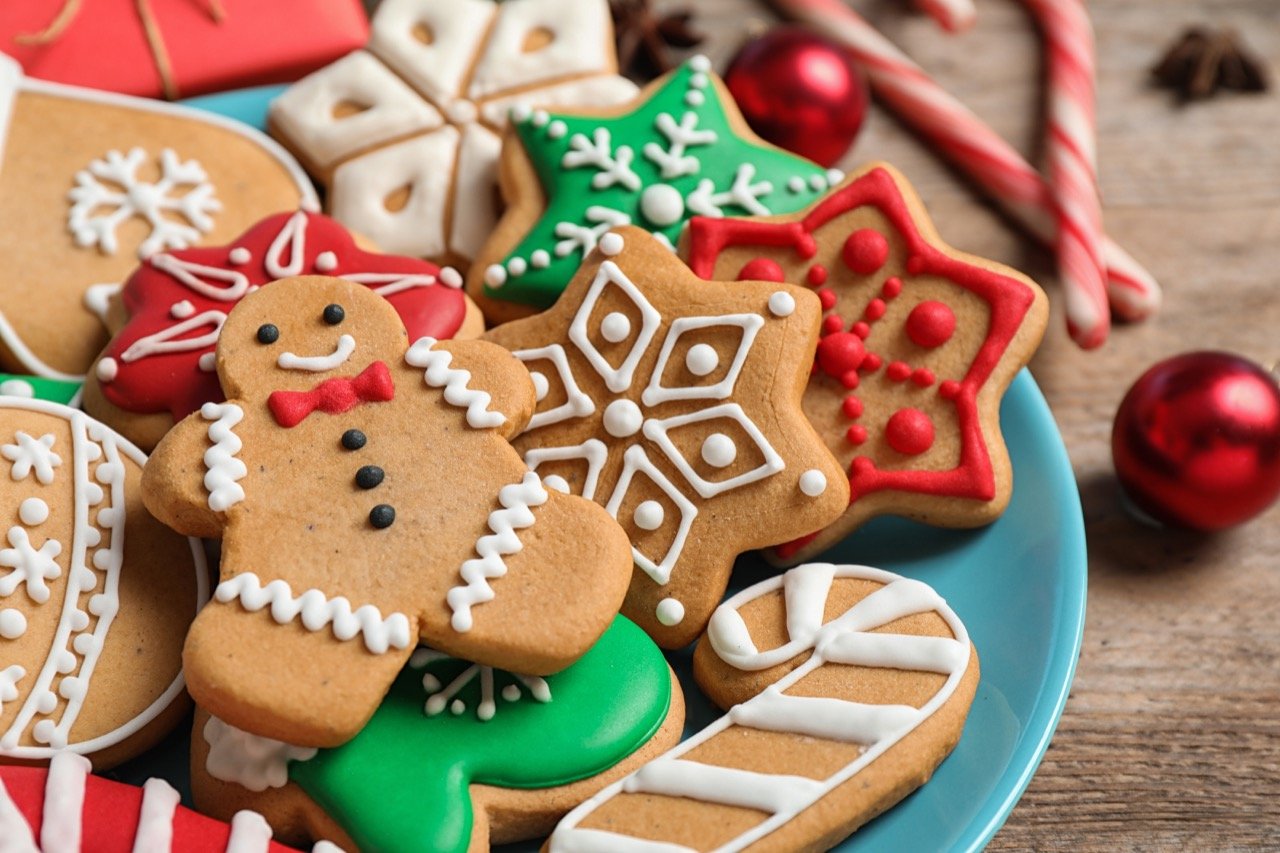
Food plays a central role in many Yuletide customs. Scandinavian countries serve rich dishes like roasted meats and spiced cookies, often enjoyed by candlelight as snow drifts outside. In Mexico and other Latin American countries, families share tamales, sweet breads, and warm drinks such as atole or hot chocolate, often after evening processions called posadas. In Eastern Europe, Christmas Eve tables may be filled with meatless dishes, symbolizing reflection and modesty before the feast that follows.
Gift giving legends are just as varied. In Iceland, stories tell of the Yule Lads, a band of mischievous characters who visit children on the nights leading up to Christmas, leaving small gifts or playful tricks. In parts of Spain and Latin America, the Three Kings, or Wise Men, are the main bearers of presents, arriving in early January. Children may leave out shoes filled with straw or carrots for the kings camels, echoing the tradition of leaving cookies for Santa.
Many cultures also emphasize community and light during the darkest days of the year. Lantern festivals, candlelit services, and night markets brighten long evenings. Whether people gather for midnight mass, sing carols door to door, or simply share a quiet meal with loved ones, these traditions express a common desire to connect.
Snowfall Stories: A Global Yuletide Challenge draws from this rich tapestry of customs. As you answer questions about legendary visitors, unusual dishes, and surprising rituals, you will discover just how many ways there are to celebrate. You may recognize familiar scenes, but you are just as likely to encounter new ideas that inspire your own seasonal traditions. In learning about others, the season becomes not only more magical, but more meaningful.