







When the air turns crisp and the days grow shorter, people around the world respond in remarkably similar ways: they gather, light up the darkness, share special foods, and tell stories that have been passed down for generations. Winter, with its long nights and cold weather, has inspired some of the most colorful and meaningful celebrations across cultures.
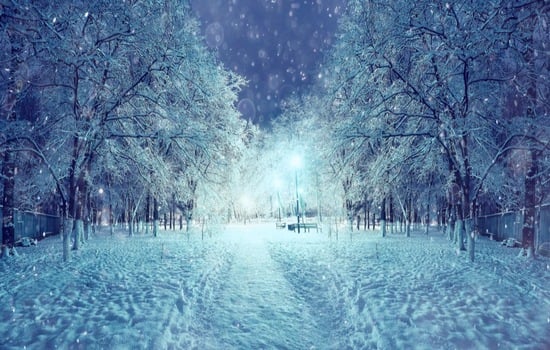
In many places, light is at the heart of winter festivities. Strings of glowing lanterns in East Asia, candles in windows across Northern Europe, and bright fireworks in parts of Latin America all serve the same purpose: to push back the darkness and bring hope. In Japan, for example, winter illuminations turn city streets and parks into sparkling wonderlands, while families enjoy seasonal dishes like osechi ryori during New Year celebrations. These carefully prepared foods are not just delicious; each ingredient carries a wish for health, prosperity, or long life.
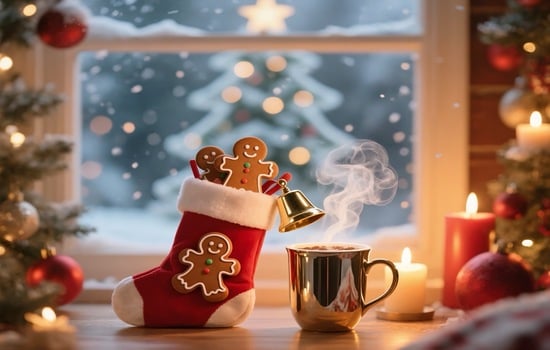
Food is a powerful storyteller in winter traditions. In Mexico, the season around Christmas and New Year includes tamales, sweet breads, and steaming mugs of atole or hot chocolate. These dishes are often shared during posadas, processions that reenact the journey of Mary and Joseph. In Italy, certain regions serve a feast of many fish dishes on Christmas Eve, reflecting both religious customs and the country’s deep connection to the sea. In Sweden and other Nordic countries, gingerbread cookies, saffron buns, and mulled wine or juice warm families as snow falls outside.
Winter is also a time for legends and characters that are very different from the familiar image of Santa Claus. In Iceland, children hear about the Yule Lads, a band of mischievous figures who visit in the days leading up to Christmas, each with a distinct personality and prank. In parts of Italy, a kindly witch named La Befana is said to fly on her broomstick to deliver gifts to children on Epiphany. Meanwhile, in some Eastern European traditions, figures like Father Frost and the Snow Maiden bring cold-weather magic to life.
Symbols and decorations carry special meanings too. A wooden goat, known as the Yule Goat, sometimes stands guard in town squares in Scandinavian countries, recalling ancient customs. In many cultures, evergreen plants like fir, pine, and holly represent life that endures even in the harshest season. Colors such as red, green, gold, and white may symbolize warmth, nature, wealth, and purity, and their meanings can vary from country to country.
Music and ritual complete the picture. From carolers walking through snowy streets to drumming and dancing in Indigenous winter ceremonies, sound and movement help communities feel united. Some traditions focus on reflection and gratitude, others on playful fun, but all offer a sense of belonging.
Exploring winter celebrations around the world reveals both diversity and connection. The specific foods, legends, and rituals may differ, yet they share common themes: welcoming light, sharing abundance, honoring the past, and looking forward to a new year. Learning about these customs can inspire us to borrow a recipe, adopt a new symbol, or simply appreciate how people everywhere find warmth and wonder in the coldest season.