





For many people, the holiday season feels comfortingly familiar. We recognize the glow of string lights in the window, the scent of evergreen branches, and the sound of carols drifting through busy streets. Yet behind these cozy images lies a surprising world of unusual histories, cultural twists, and little known facts that can change the way you see this time of year.
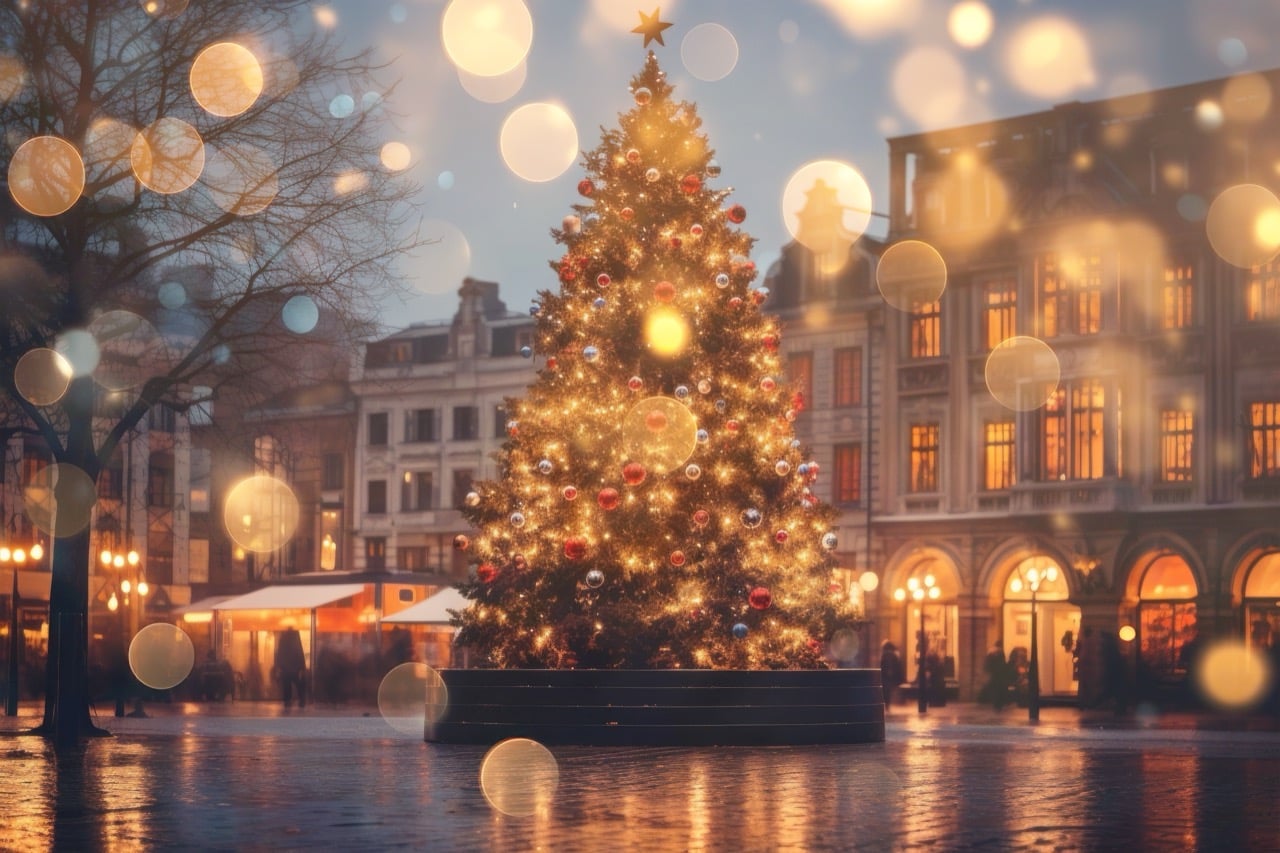
Take the evergreen tree, for example. Today it is a centerpiece of living rooms and town squares, but its roots go back long before modern celebrations. Evergreen branches once symbolized life and protection during the darkest days of winter. Over time, this practice evolved as different cultures added candles, ornaments, and later electric lights. What now seems like a simple decorating choice is actually the result of centuries of changing customs and technology.
Music is another part of the season with unexpected stories. Many carols that feel timeless were actually written in specific historical moments, sometimes to reflect social changes or new religious ideas. Some songs that sound deeply traditional are barely a century old, while others have traveled across languages and borders, picking up new verses and meanings along the way. Even the most familiar tune might hold a surprising origin story if you look a little closer.
Around the world, winter celebrations come with their own quirky customs. In some places, people dress in elaborate costumes to chase away bad spirits before the new year. In others, children leave shoes or straw out instead of hanging stockings. Special breads, cakes, and stews appear only once a year, each with symbolic ingredients or shapes. These traditions may seem unusual to outsiders, but for local communities they are treasured links to ancestors and shared memories.
Modern celebrations also include record breaking displays and events. Cities compete to host the tallest tree, the largest gathering of carolers, or the most lights strung in one place. While these spectacles can feel over the top, they reveal how deeply people enjoy coming together in public spaces to share the season. These records also show how holiday customs continue to grow and change rather than stay frozen in time.
Laws and social rules have shaped the season as well. In certain eras and regions, public celebrations were restricted or even banned because authorities worried about noise, disorder, or conflicting beliefs. At other times, leaders encouraged festive events to promote unity or boost the economy. The balance between quiet reflection and lively celebration has always been part of the story.
All of these hidden details make the Yuletide season a perfect subject for a trivia challenge. Questions about firsts, such as the earliest electric light displays, can sit alongside puzzles about ancient customs or unusual foods. Trick questions may reveal that something you assumed was ancient is actually quite new, or that a tradition you thought was local has global cousins.
The next time you sip cocoa or sit by a decorated tree, remember that you are surrounded by layers of history and imagination. Exploring these snowfall secrets can turn a familiar holiday into an ongoing adventure in discovery.