


Every winter, streets glow with twinkling lights, kitchens fill with comforting aromas, and familiar songs drift through the air. It all feels timeless, but many of the traditions we treat as normal are actually the result of centuries of stories, beliefs, and cultural exchanges. The season is a tapestry woven from ancient rituals, religious celebrations, folklore, and modern pop culture.
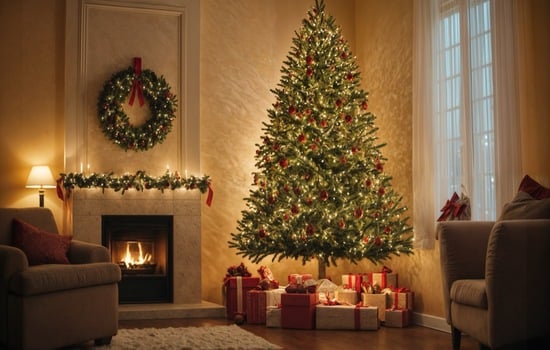
Long before electric lights and inflatable lawn decorations, people in colder climates worried about the darkness of winter. Many ancient cultures held midwinter festivals to welcome the return of the sun and to push back the long nights. Evergreen plants, which stayed green when everything else seemed dead, became powerful symbols of life and hope. That is one reason branches, wreaths, and eventually decorated trees took on special meaning during winter celebrations.
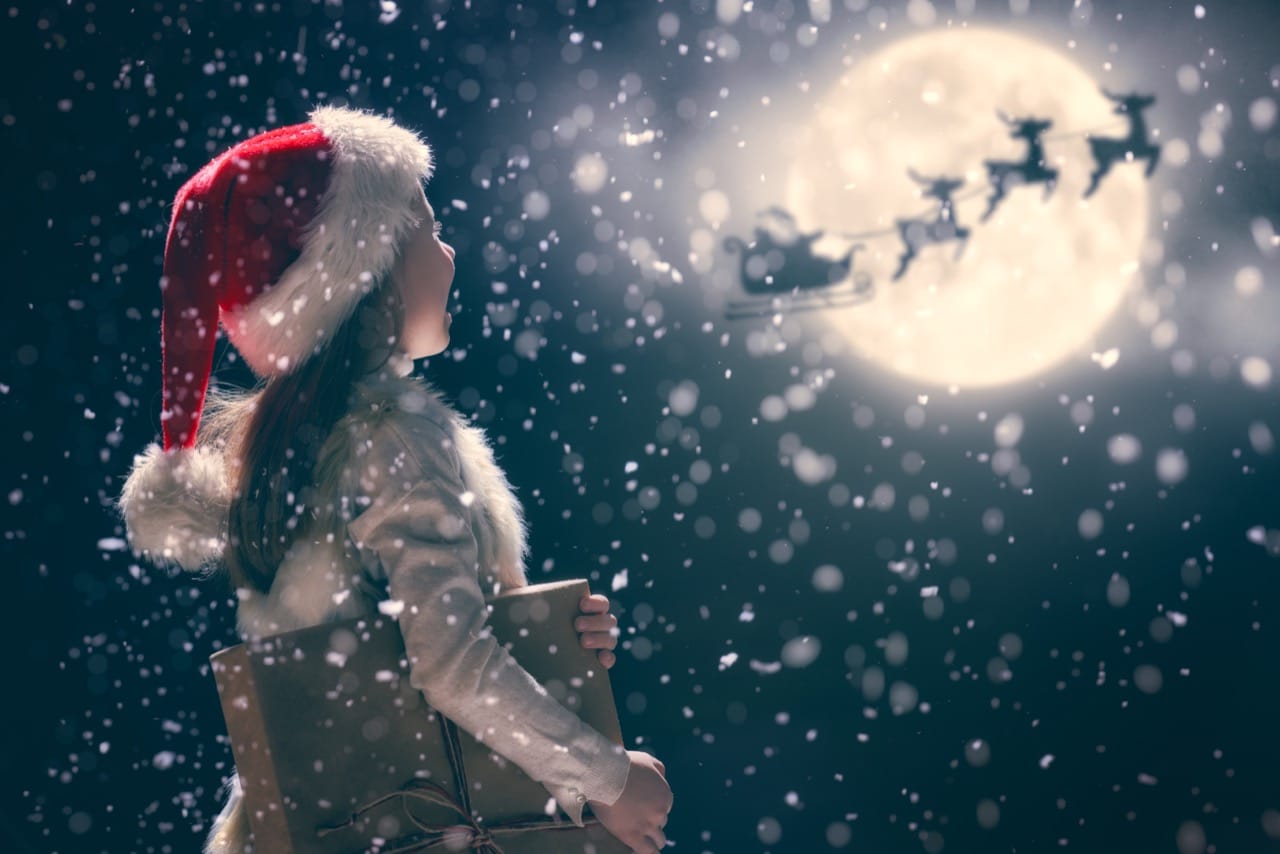
Across Europe, different legends emerged to personify the spirit of the season. In some places, a kindly gift giver rewarded good behavior, while a darker companion threatened to punish the naughty. Figures like Saint Nicholas, Father Christmas, and later Santa Claus all grew out of these overlapping stories. In contrast, mischievous characters such as Krampus in Central Europe or the Icelandic Yule Lads added a spooky or playful twist to the holidays, reminding children that the season was about more than just presents.
Food traditions also reveal a lot about holiday history. Special breads, cakes, and feasts were often tied to religious observances or agricultural cycles. Many families still bake recipes that have been passed down through generations, even if they no longer remember the original meaning. Spices like cinnamon, nutmeg, and cloves were once expensive luxury items, so using them in winter was a way to turn a dark, cold time of year into something rich and celebratory.
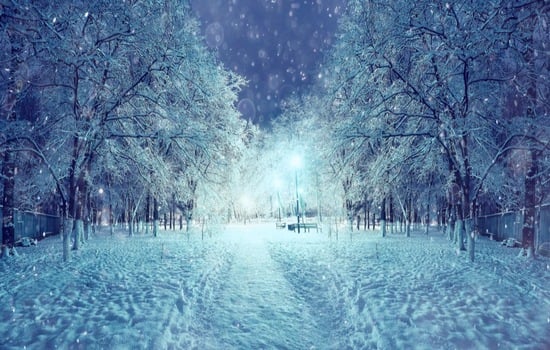
Modern technology and media have layered new traditions on top of the old ones. Classic holiday movies, radio specials, and television reruns have shaped how people imagine the perfect winter celebration, from snow covered streets to last minute miracles. Songs about reindeer, bells, and snow have become so familiar that they feel like folklore, even though many are less than a century old.
Different countries continue to mark the season in their own ways. In some places, fireworks and lanterns light up the sky; in others, quiet candlelit ceremonies and midnight services take center stage. Some cultures focus on family gatherings and storytelling, while others emphasize parades, public festivals, or charitable acts. Yet common themes appear everywhere: light in the darkness, generosity, togetherness, and the hope for a fresh start.
When you take a holiday quiz about legends and traditions, you are really exploring how people have tried to make sense of winter for thousands of years. Each question opens a door to a story about why we decorate, sing, feast, and gather. The more you learn about these frosty facts, the more meaningful each ornament, recipe, and carol can become. So pour a warm drink, settle in, and enjoy uncovering the snowfall secrets that make this time of year feel truly magical.