






When people think of the December season, they often imagine familiar scenes: decorated trees, wrapped gifts, and familiar carols playing in the background. Yet the world of winter celebrations is far more varied and surprising than many realize. Around the globe, communities have developed unique ways to bring light, warmth, and meaning to the darkest time of the year. These customs blend ancient beliefs, local history, and modern creativity into a tapestry of yuletide mysteries.
In much of Europe, December traditions grew from a mixture of Christian observances and older winter rituals. The figure of Saint Nicholas, for example, began as a fourth century bishop known for generosity. Over time, he inspired a wide range of characters, from the kindly gift bringer Sinterklaas in the Netherlands to stern companions like Krampus in parts of Central Europe, who were said to punish misbehaving children. These stories reveal how communities used folklore to teach lessons about morality, kindness, and social order.
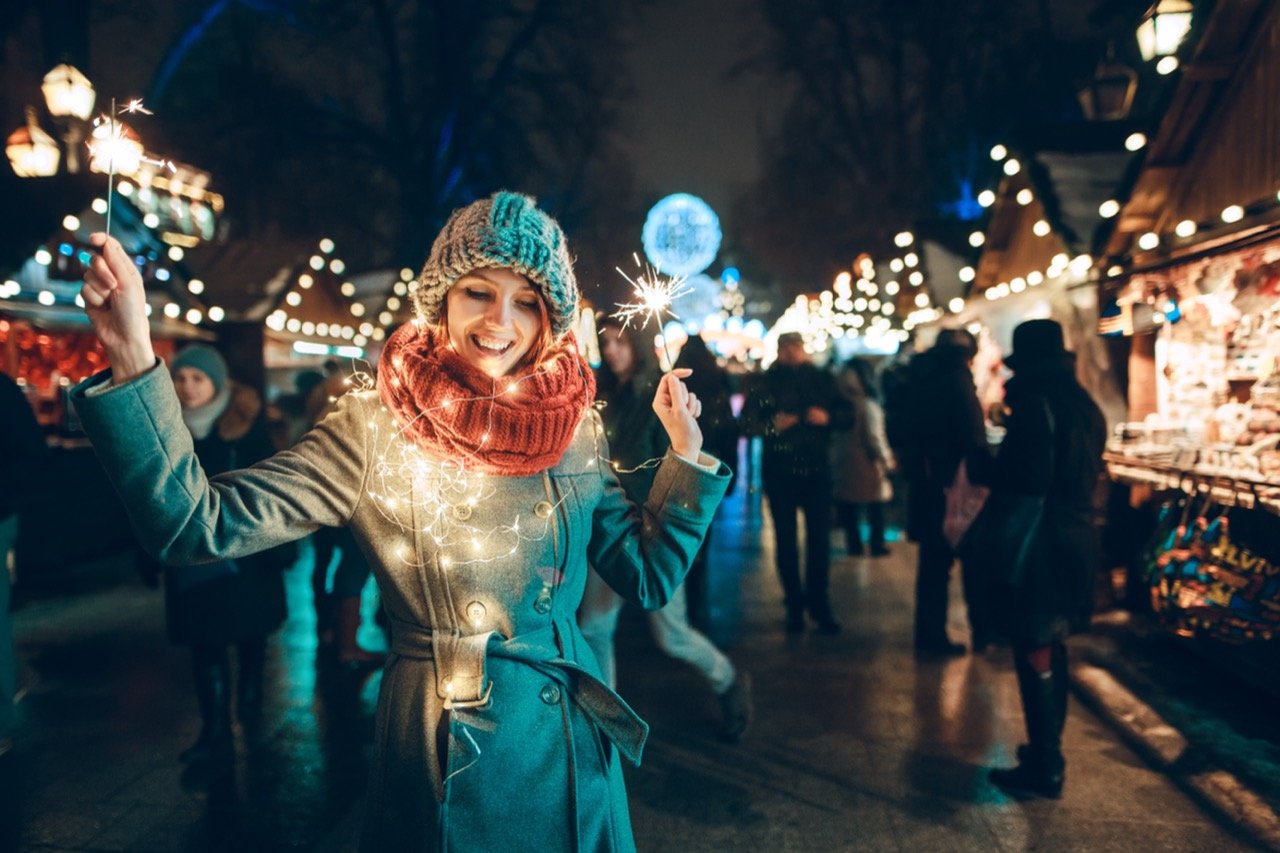
Light plays a central role in many winter customs. In Scandinavia, Saint Lucias Day brings candlelit processions meant to drive away the gloom of long polar nights. In Germany and neighboring countries, Christmas markets glow with strings of lights and warm drinks, turning cold town squares into cozy gathering places. These traditions echo much older midwinter celebrations, when people lit fires and candles to symbolize hope and the return of the sun.
Across the world in Asia, December and early winter can look very different, yet the themes of light and togetherness still shine through. In parts of Japan, winter illuminations transform city streets and parks into sparkling landscapes. While Christmas is not traditionally a religious holiday there, it has become a time for romantic outings, festive meals, and exchanging small gifts. In some regions of South and Southeast Asia, lantern festivals and year end celebrations blend local beliefs with imported customs, showing how global culture continues to evolve.
In the Southern Hemisphere, December falls at the start of summer, turning familiar winter imagery on its head. In Australia, New Zealand, and parts of South America and Africa, people may celebrate with beach outings, barbecues, and outdoor concerts. Santa suits might be worn with shorts, and traditional roasts can share the table with grilled seafood or fresh salads. These warm weather festivities remind us that the spirit of the season is more about community and generosity than snow or cold.
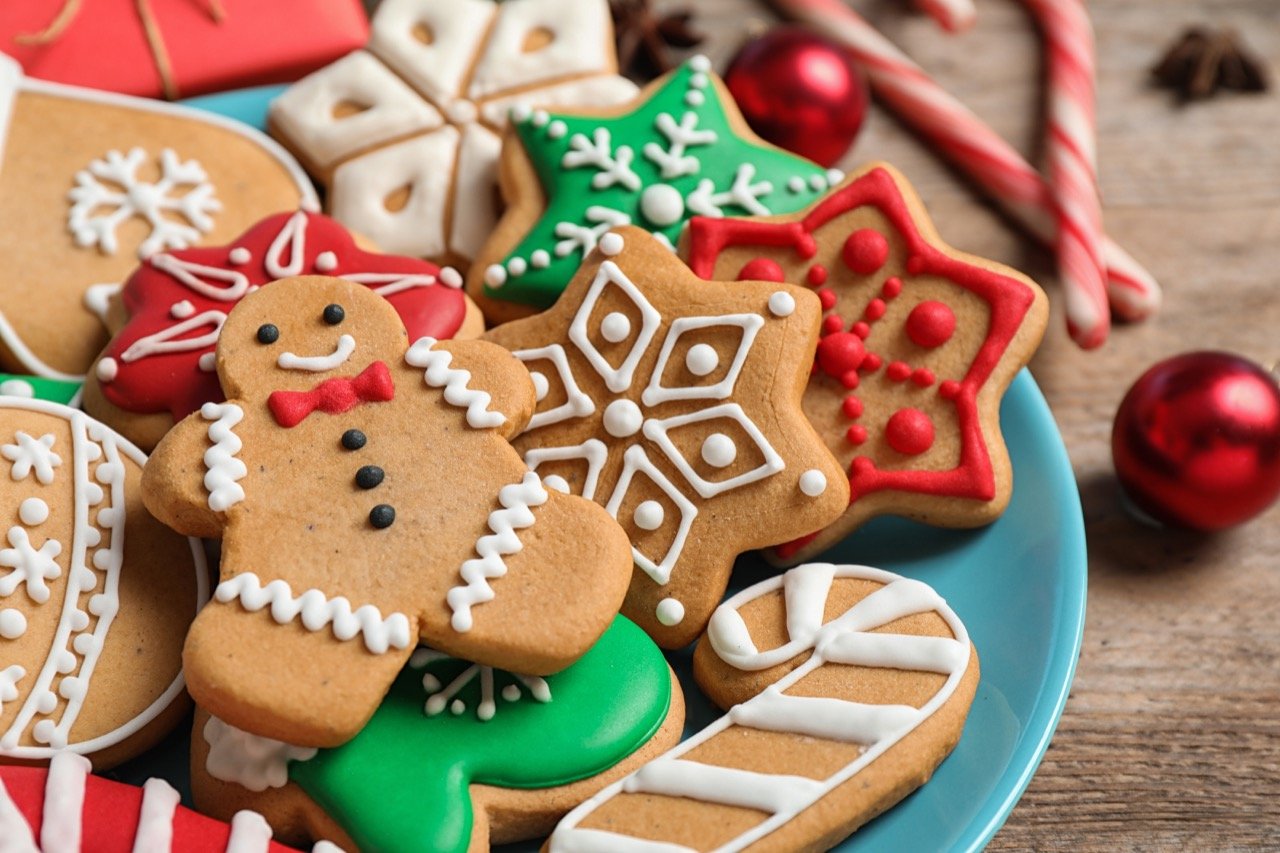
Food is another window into yuletide mysteries. From spicy gingerbread and rich stollen in Germany to sweet rice cakes, fruit desserts, and savory stews in other regions, each dish carries a story. Ingredients that were once rare or expensive became symbols of celebration and abundance. Over centuries, recipes traveled with migrants, adapted to new climates, and blended with local tastes, creating the diverse holiday menus we see today.
Many modern customs started as something very different. Evergreen branches once symbolized life surviving through winter, long before they became decorated trees. Gift giving moved from simple tokens to elaborate exchanges as economies grew. Even familiar songs and images were shaped by advertising, literature, and film. Learning these hidden histories shows how traditions are never fixed; they change as societies change.
Exploring global yuletide traditions invites us to look beyond our own routines and ask questions. Why do we eat certain foods in December? Where did particular characters or rituals come from? How do other cultures mark the end of the year or the turning of the seasons? By digging into these frosty facts, we not only gain trivia for a festive quiz, but also a deeper understanding of how people everywhere face darkness with light, share stories, and find reasons to celebrate together.