




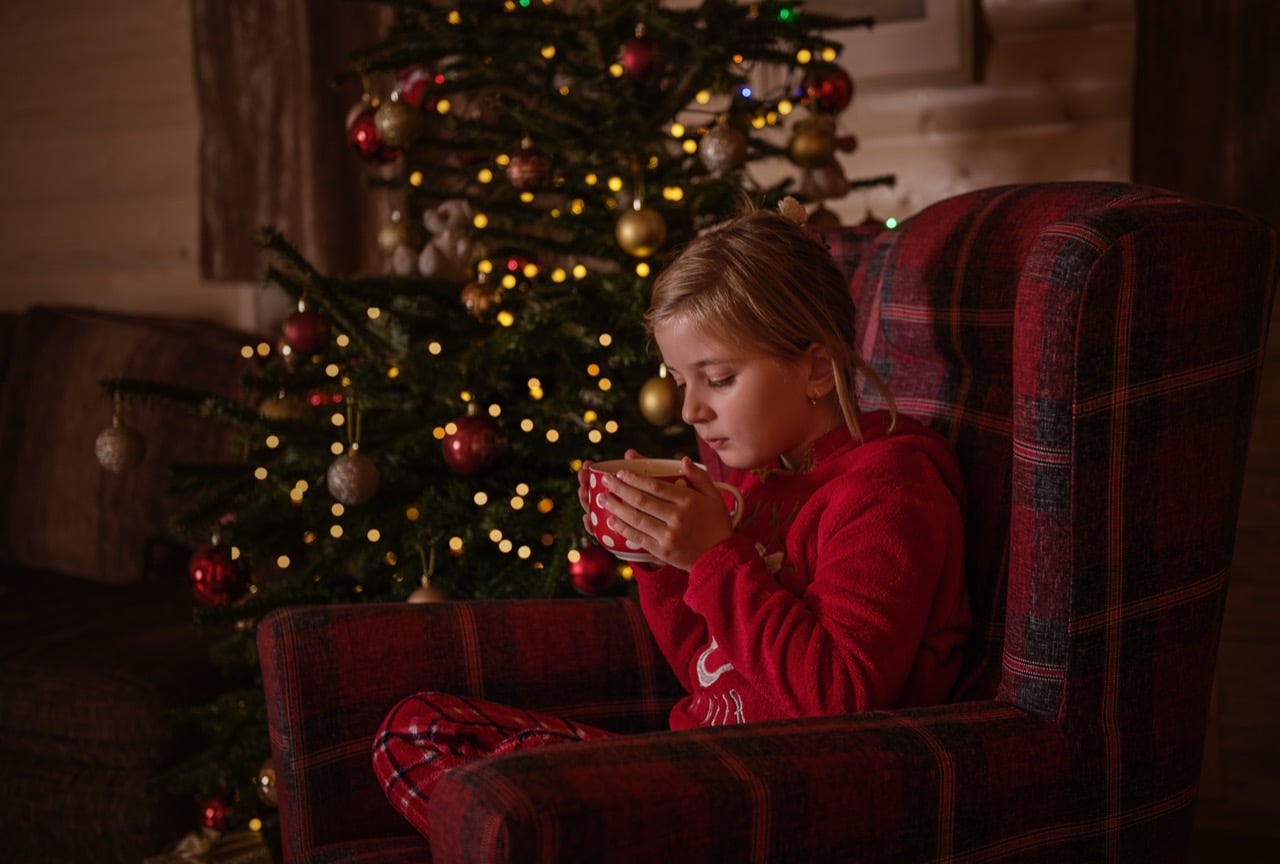




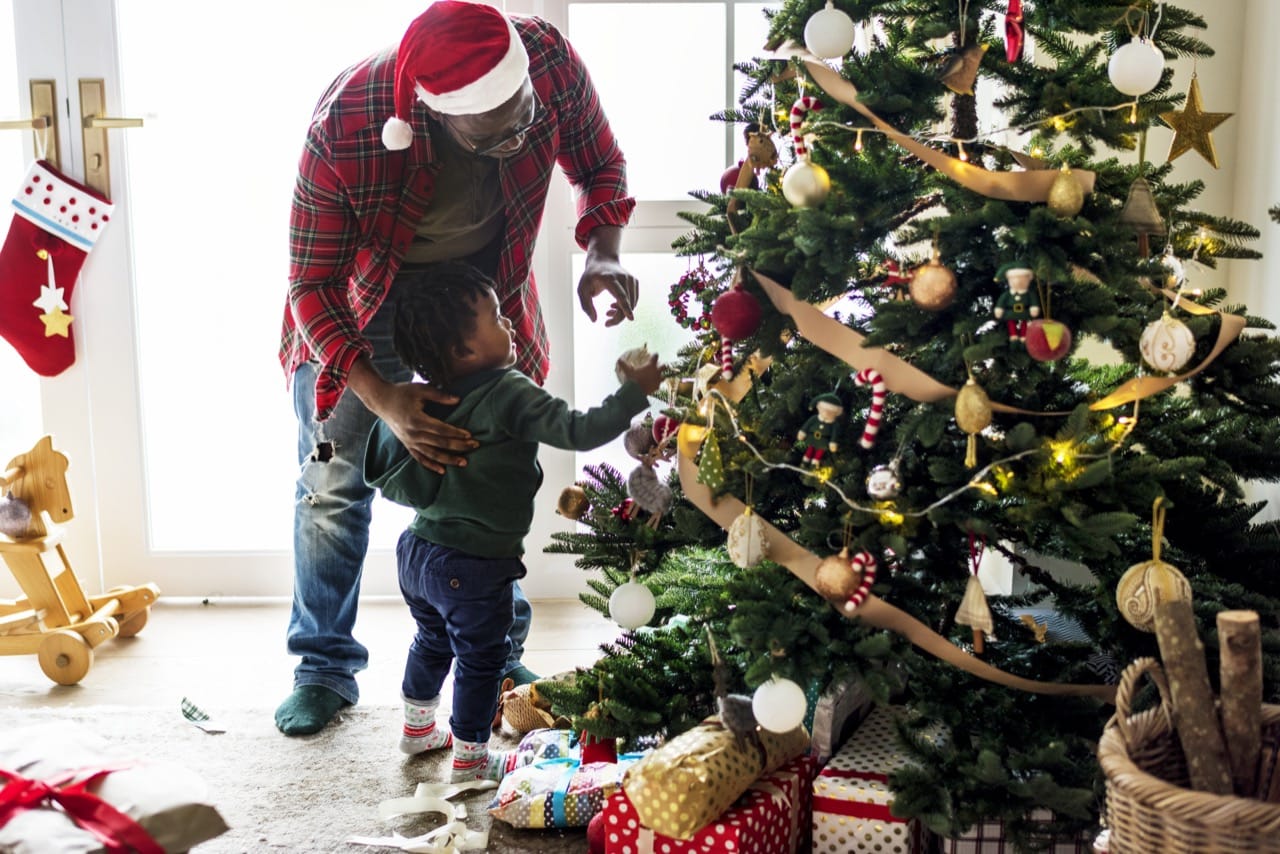



Every winter, as temperatures drop and nights grow longer, people around the world brighten the season with lights, music, and shared meals. Yet the way this festive time looks, sounds, and tastes can be very different from country to country. Global tinsel traditions reveal a mix of ancient beliefs, religious customs, and modern pop culture, all woven together into celebrations that feel both familiar and surprising.
Many winter traditions begin with the simple idea of bringing light and life into the darkest part of the year. Evergreen trees, for example, have long symbolized endurance and hope. Long before decorated Christmas trees appeared in living rooms, people in parts of Europe brought evergreen branches indoors to remind themselves that nature would return in spring. Over time, these branches evolved into full trees hung with candles, then glass ornaments, and finally electric lights. Today, sparkling trees glow in homes, public squares, and shopping centers from Berlin to Buenos Aires.
Gift-bringers are another shared theme, but they arrive in very different ways. In some European countries, Saint Nicholas visits early in December, often arriving by boat along rivers or canals. Children leave shoes or boots by the door, hoping to find them filled with sweets the next morning. In parts of southern Europe and Latin America, the Three Wise Men play a central role, with parades and presents arriving in early January. Elsewhere, a red-suited figure inspired by Saint Nicholas and popularized by advertising and movies has become a global icon. This modern Santa Claus flies by reindeer instead of donkey or boat, but the idea is the same: rewarding good behavior with small treasures.
Food traditions show even more variety. In Central Europe, a Christmas Eve meal might feature carp, sometimes kept alive in the family bathtub until it is time to cook. In Mexico and other Latin American countries, families gather to make tamales, turning the kitchen into a busy workshop of dough, fillings, and steaming pots. In Japan, a clever marketing campaign helped make fried chicken a surprising seasonal favorite, and many families now reserve special holiday meals at fast food restaurants. Each dish tells a story about local ingredients, history, and changing tastes.
Music and carols add another layer of connection. Some of the most famous songs began as simple hymns or folk tunes in small villages, then spread across borders through churches, choirs, and recordings. Today, you might hear the same melody sung in many languages, each version carrying its own emotions and memories. Street musicians, school concerts, and radio playlists help create a shared soundtrack for the season.
Beyond the familiar images of snow and reindeer, many communities adapt winter festivities to their own climate and culture. In warm regions, celebrations move outdoors with fireworks, lanterns, and late-night gatherings. Decorations may include tropical plants, paper stars, or handmade crafts instead of pine branches and snowflakes.
Exploring these traditions shows how one festive period can unite people while still leaving room for local color. Whether your ideal winter evening involves carols and cocoa, spicy dishes and dancing, or a quiet walk beneath twinkling lights, global tinsel traditions offer countless ways to find warmth, wonder, and connection.