










When winter arrives, it often feels like the world quietly shifts into a different rhythm. Streets sparkle with lights, homes fill with the scent of spices, and familiar songs drift through shops and living rooms. Yet many of the details that create this festive atmosphere have long and surprising histories that most of us rarely stop to consider.
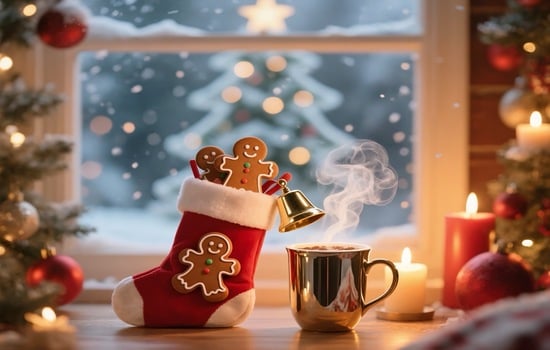
Take the classic plate of holiday cookies. Behind every bite is a story of trade, travel, and tradition. Spices like cinnamon, nutmeg, and cloves were once rare and expensive, carried across continents along ancient trade routes. Because they were costly, people reserved them for special occasions, especially midwinter feasts meant to brighten the darkest days of the year. Over time, these spices became linked with comfort and celebration. The ginger in gingerbread, for example, was once valued not only for its flavor but also for its supposed warming and medicinal qualities.
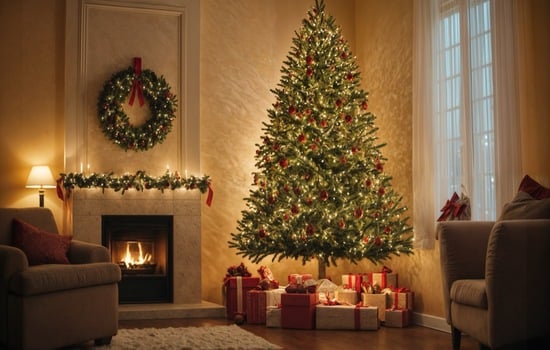
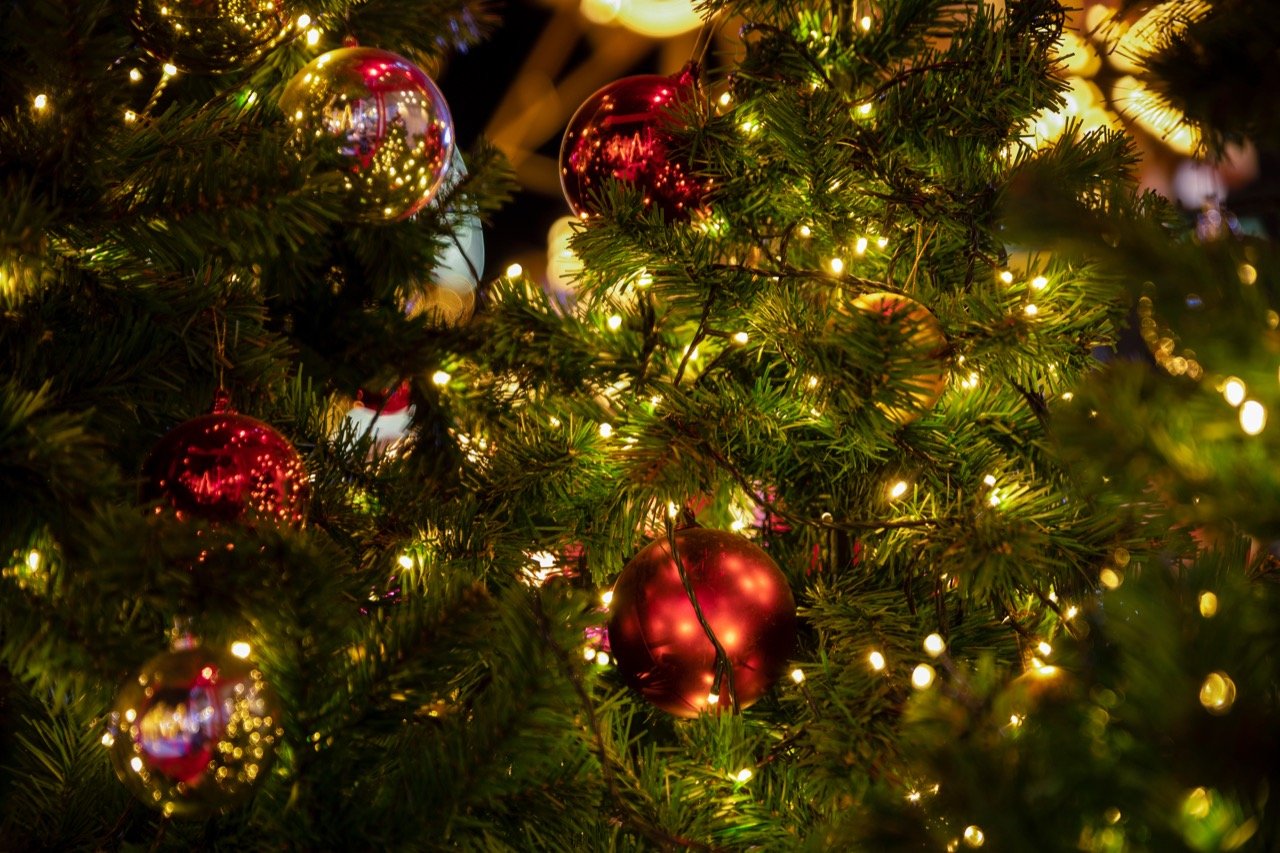
Even the decorations that seem purely decorative today often began as symbols of hope or protection. Evergreen branches, wreaths, and trees stand out in the cold months because they stay green when most plants have withered. Long before modern holidays, people brought greenery indoors as a reminder that life would return in spring. Hanging certain plants above doorways, such as mistletoe, was believed to bring good fortune, ward off illness, or encourage peace between visitors. What we now see as a playful excuse for a kiss once carried a more serious meaning tied to health and harmony.
Color also plays a bigger role than we might think. The red and green that dominate wrapping paper, ribbons, and ornaments did not become popular by accident. Green echoes the evergreens that symbolize endurance, while red has been associated with warmth, vitality, and celebration in many cultures. Over the years, artists, advertisers, and card makers helped fix these shades in our minds as the colors of the season. Gold and silver joined in as accents, suggesting light, stars, and a touch of luxury during a time when days are short and nights are long.
Music is another piece of the winter puzzle with hidden layers. Many familiar songs started as folk tunes, religious hymns, or even protest pieces before they became seasonal staples. As communities gathered to sing together, these melodies took on new meanings, turning into shared markers of time and memory. Hearing them each year can instantly evoke images of past celebrations, even if we do not know the full story behind the lyrics.
Together, these small elements create the feeling of the winter holidays: the aroma of baking, the glow of string lights, the rustle of wrapping paper, the greenery over the doorway, and the familiar chorus of seasonal songs. Each ribbon, recipe, and ritual is a thread in a much larger tapestry, woven from centuries of belief, necessity, creativity, and adaptation.
By looking a little closer at the details we often overlook, we can rediscover the season with fresh eyes. Knowing that a simple cookie once signaled rare luxury, or that a sprig of greenery was once a charm for health, adds depth to the celebrations we enjoy today. These stories turn everyday traditions into small wonders, ready to be shared with friends and family gathered around the fire.